
Introduction
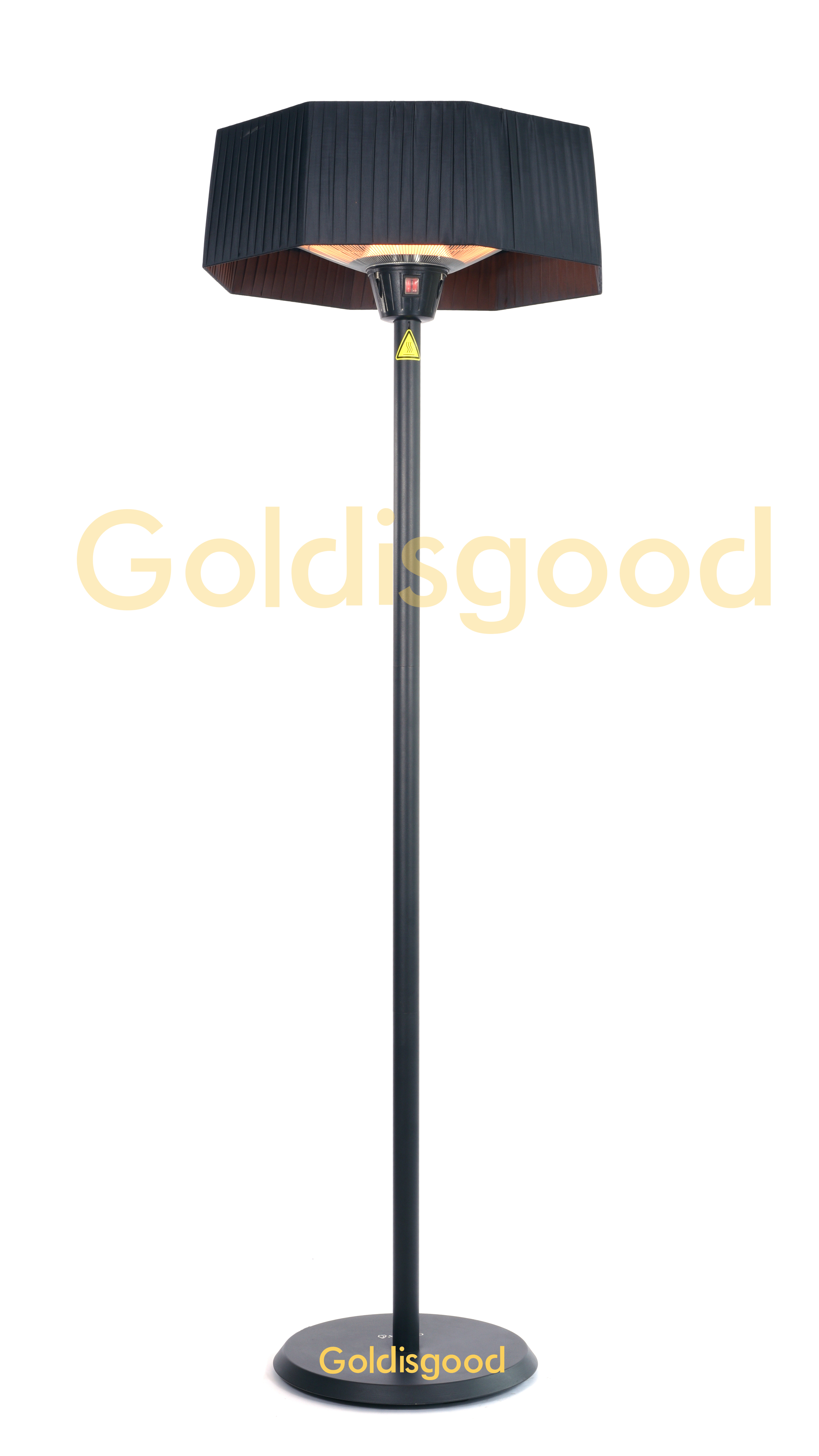
Let’s be honest: energy prices are climbing, and that hits hard. So we built the 2026 electric heater to fight back—without the fluff. It’s a high-efficiency infrared lamp using halogen tech, and it gets straight to the point: deliver intense, focused heat without wasting electricity. The goal is simple. Give you high heat density, a fast response, and savings you can actually see on every bill.
Technical Deep-Dive
Infrared heating works differently than the warm-air kind. Instead of heating the whole room, it sends energy straight to the target. That means you get heat right where you need it, instantly. And that shows up in two ways: shorter warm-up times and less energy wasted while things are idle. Power and voltage choices matter because they determine how easily the lamp plugs into your setup. Choosing a higher voltage lowers the current draw, which cuts cable losses and keeps your control gear running cooler. The wattage is tuned to match the actual thermal load, so you get the temperature rise you need without overbuilding the system. Then there’s the physical footprint—length and diameter. On a crowded machine, space is precious. Our dimensions slip into standard reflector assemblies and tight bays, so you can swap out old units without redesigning the whole heater zone.
Material & Design
Halogen elements keep output steady and deliver a long service run. The quartz envelope handles high heat and resists thermal shock, which matters when the lamp cycles on and off a lot. The coating on the quartz isn’t just for looks. It tunes the spectral output so it matches what the target material absorbs best. That means more of the energy turns into useful heat instead of radiating away. And the R7s connector? It’s a proven industrial interface. Solid contact. Quick install. You wire it once, and it stays put—even when there’s vibration and repeated heating and cooling.
Application & Benefits
This setup was made for engineers who need heat they can count on, without burning through power. You get a fast start, steady temperature control, and a compact footprint that makes integration feel straightforward. The energy savings come from direct radiation and shorter cycle times. In practice, you end up using less energy per cycle because the lamp heats the target directly—not the air around it. Now, there’s one thing to keep in mind: thermal management. High heat density means your machine’s cooling and shielding need to be properly planned. You’ll see higher local temperatures around the lamp, so plan your airflow, guarding, and safe clearances accordingly.