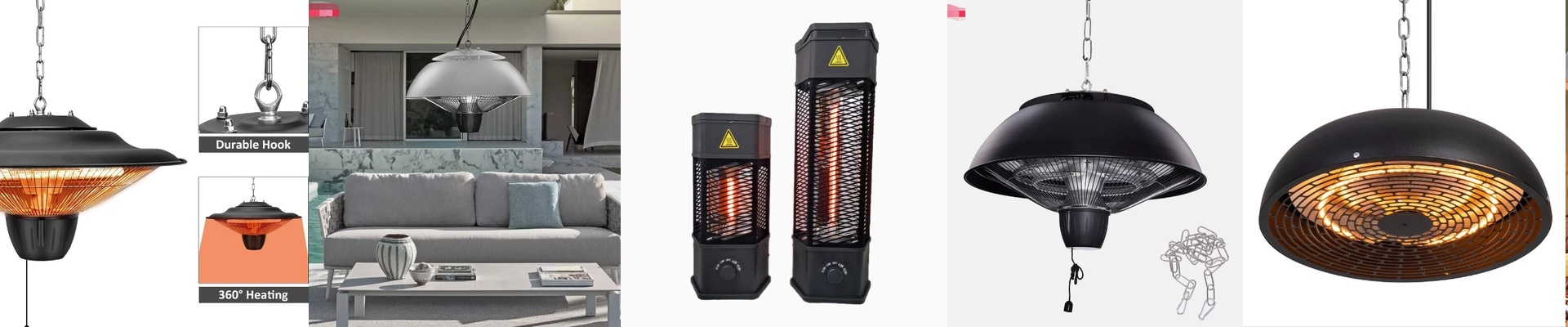
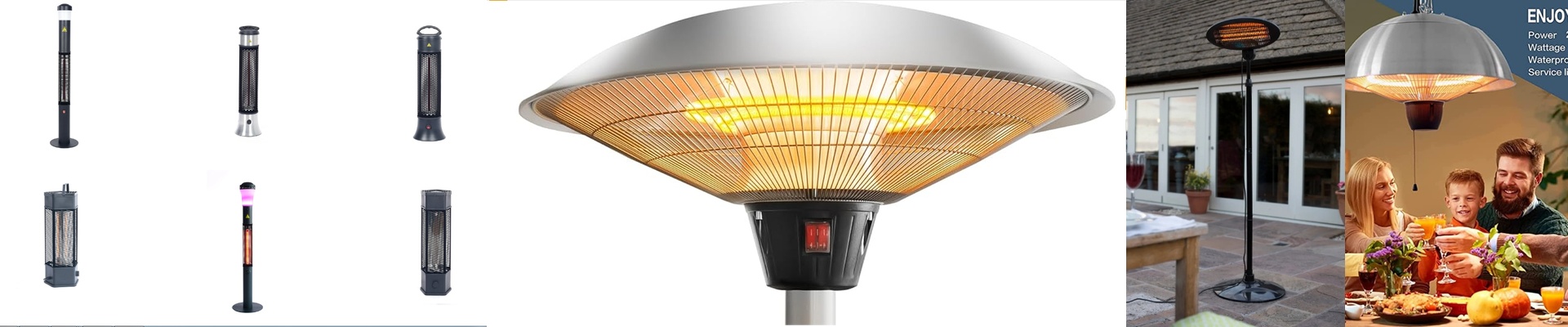

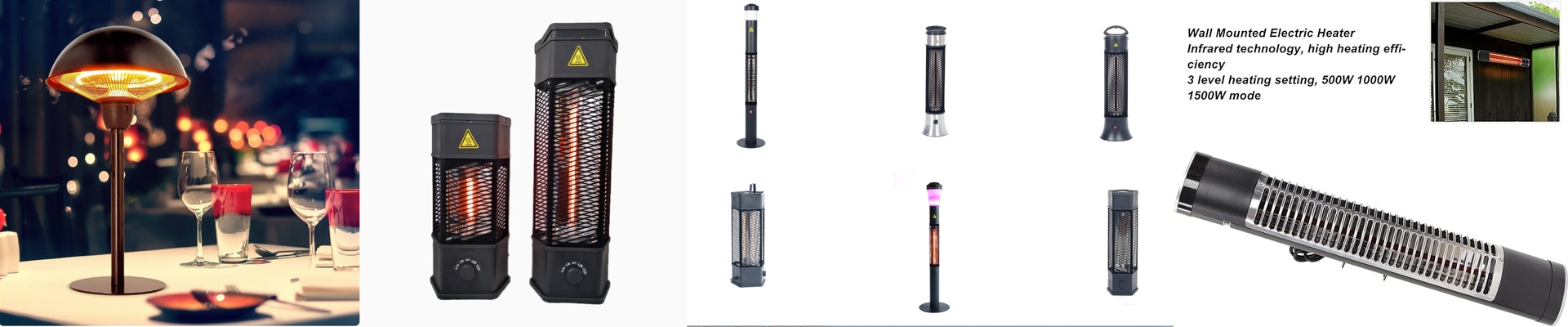
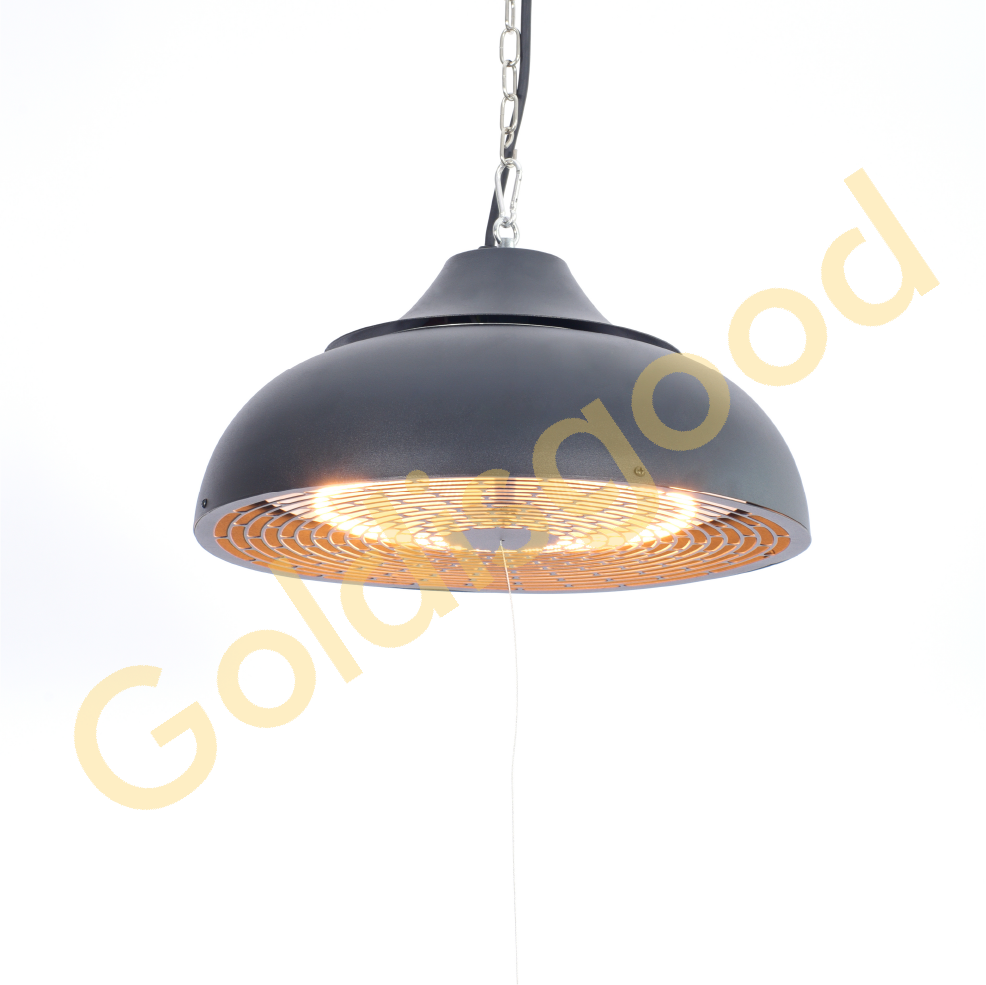
After the sun goes down and a commercial property quiets down, those empty patios and entrances are still burning through energy—and dragging on ESG targets. Forced-air systems heat the air, not the people, and keep running long after the last guest leaves. High-efficiency infrared patio heaters cut straight through that waste. They deliver radiant warmth exactly where it counts—on the tables, on faces, on the floor—so you’re heating surfaces and bodies, not the empty space above.
What actually matters, technically
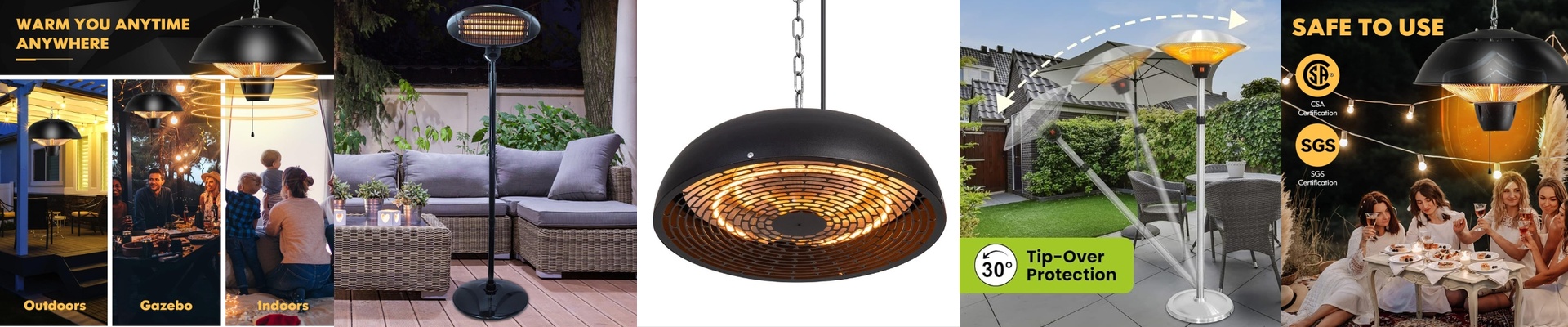
Infrared patio heaters rely on a glowing quartz tube or a carbon fiber element to emit radiant heat. That heat travels in straight lines and warms objects directly. The payoff is instant comfort, not a long warm-up cycle. In practice, a 1500W electric infrared unit can match the targeted warmth of a much larger forced-air heater because it doesn’t lose heat to air movement and duct leakage. Many models run on standard 120V or 240V circuits, install with straightforward plug-and-play wiring, and include an adjustable thermostat to keep comfort consistent. Look for IP ratings that keep rain and dust out, plus the safety basics: tip-over protection and a cool-touch outer grille.
Why this makes sense for commercial real estate
The value here is measurable. Infrared heaters cut total energy draw because they’re only on when the space is in use, and the heat lands right where guests sit. That lowers operating costs, supports cleaner carbon reporting, and strengthens ESG performance. There’s a practical upside, too. Comfortable outdoor dining and waiting areas expand usable square footage, boost tenant satisfaction, and help with occupancy and renewals. In winter, you keep revenue moving instead of turning patrons away at the door.
What you need to know up front
Infrared heat is directional, so placement matters. Hang heaters above seating zones and along walkways to avoid shadows and cold spots. For the best results, pair units with a low-ambient thermostat and consider zoning by usage hours. One trade-off: the heater glows. Some guests like it; others notice it. Adjust aim and spacing, and you’ll get even, quiet comfort that keeps energy use in check.