
Why our infrared dryers feel like the real deal—without the markup
We make infrared clothes drying heaters for industrial lines that need heat you can count on, fast, with almost zero downtime. Our promise is simple: the kind of build quality you’d expect from an OEM, but at a price that comes straight from the factory. No hype. Just solid engineering.
Power, voltage, and why the details matter
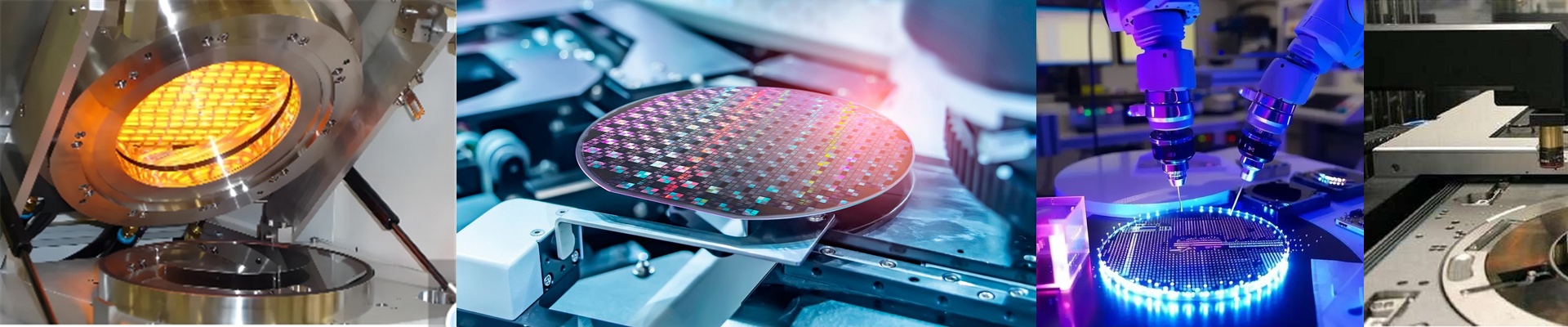
These heaters are built around high-density infrared output in a small footprint. Most run at 2500W, with voltage options that match what your plant already runs—often 400V, so it plugs right into your industrial power setup. That voltage choice drops the current, which means less energy lost in the wiring and cleaner, simpler runs. And the tube length? We size it to fit dryer chambers—about 300mm—so the heat lands exactly where you need it. No overkill. No wasted energy. Just a predictable, even thermal profile that dries faster and keeps your line moving.
The guts: halogen, coating, and a connection that stays put
We use halogen-filled quartz tubes because they hold steady under heavy use and handle rapid on/off cycles without fading. The internal halogen cycle helps keep the output consistent over time, and the quartz handles high heat without blinking. A reflective coating on the tube focuses the energy forward, so more heat hits the target and less spills away. For hookup, we go with an R7s connector. It snaps in quickly, makes a solid connection, and stays reliable even when the line is vibrating. In other words: it’s built for real-world conditions, not a showroom.
What it feels like on the line—and the one thing you can’t ignore
On the job, these heaters deliver concentrated heat right where you need it, which means faster drying and better line speed. And because of the R7s termination, installation is quick and service is simple—less labor, less downtime. But here’s the honest part: 2500W at 400V packs serious heat. Your dryer enclosure has to be ventilated and cooled to the rated ambient. If it isn’t, nearby parts can take a hit. Get the specs right, and you end up with a heater that drops in, runs hard, holds its output, and keeps your process steady—day after day.