

Introduction
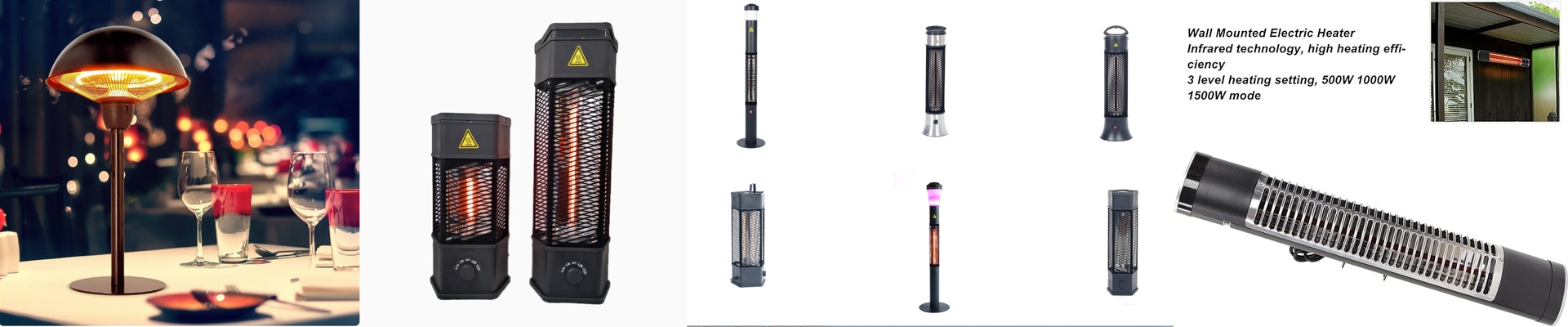
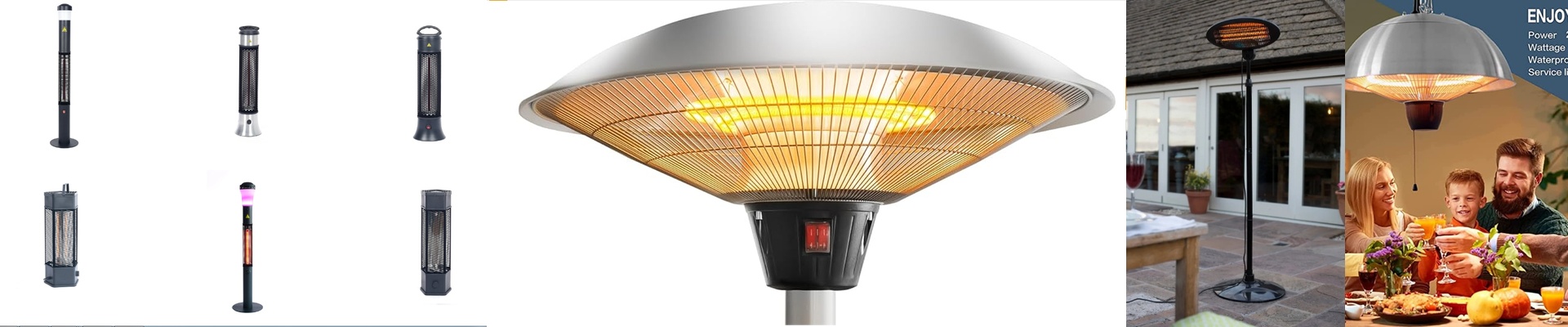
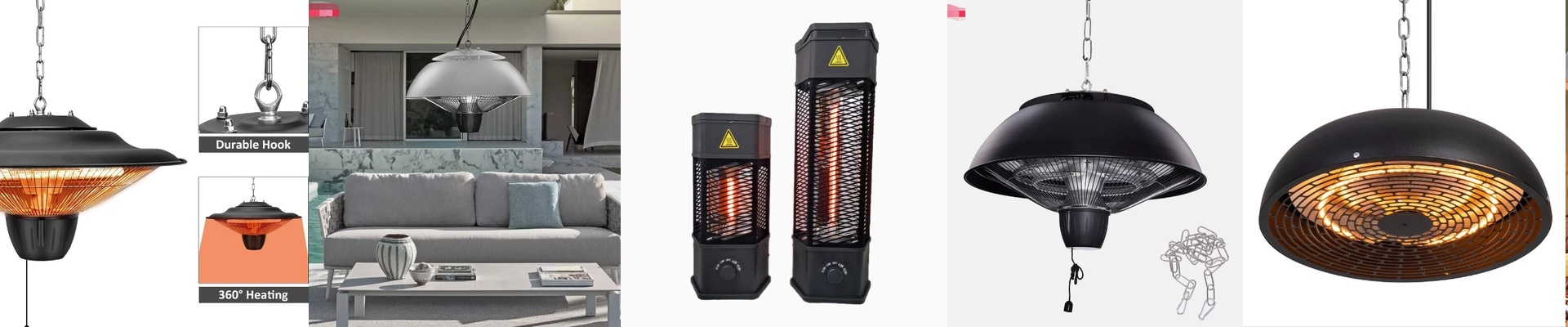
Here’s the truth: we built our CE-certified electric infrared heaters for one simple reason. To give you heat that actually lands where you need it. No more warming empty air. Our units send thermal energy straight to the people and surfaces that matter. This guide is here to cut through the noise and help you pick the right wattage, based on how your room faces and how well it’s insulated.
Power and Configuration: It’s About Physics, Not Guesswork
Choosing power isn’t a shot in the dark. It’s a physics problem. A north-facing room with thin insulation? That space is constantly losing heat, so it needs a heater with more punch. A south-facing room that’s well sealed? You can get away with less. Our CE-certified heaters deliver the output needed to match each space’s real-world demands. At the heart of it is a straightforward idea: match the heater’s wattage to how fast the room loses heat. For a typical room, that’s often around 100W per square meter. But that number shifts fast. A drafty workshop with single-pane windows might need closer to 150W/m². Get this part wrong, and the heater either runs nonstop or never quite hits the temperature you want.
Material and Design: The Details That Keep It Working
We chose quartz tubes with a halogen gas fill for a reason. They handle high heat without burning out. That means two things you’ll actually feel: the heater comes up to full power in seconds, and it keeps delivering steady heat for the long haul. The R7s base is the unsung hero. It gives you a solid, two-point electrical connection that can handle high current without getting hot under pressure. And if you’re swapping out an old fixture, it’s a direct, drop-in replacement. That CE certification isn’t just a stamp. It means the internal wiring, insulation, and thermal cut-offs meet European safety standards. In real life, that translates to a unit that can take the rough and tumble of a factory floor and still keep doing its job.
Where It Shines and What It Feels Like
Our infrared heaters really come alive in spot heating situations where full-room HVAC just doesn’t make sense. Think workshops, loading bays, and temporary workspaces. The heat goes straight to the target, not into the air around it. That direct approach saves energy and keeps operating costs down. But it’s honest about its limits: infrared heat feels localized. You have to place the unit so it covers the area you’re working in. For engineers, the CE certification takes a big headache out of new builds or retrofits. The paperwork is handled. We give you the heat, and the compliance, so you can focus on getting the job done.