

When Heat Has to Be Perfect. Period.
We built this heavy-duty infrared heater for the engineers who live and breathe precision. The kind who won’t accept “close enough.” Our target was straightforward: keep the gold coating on every tube within a hair’s breadth—0.1mm—every single time. To pull that off, we stopped thinking of this as just another heater. We treated it like a precision instrument.
What Makes It Tick
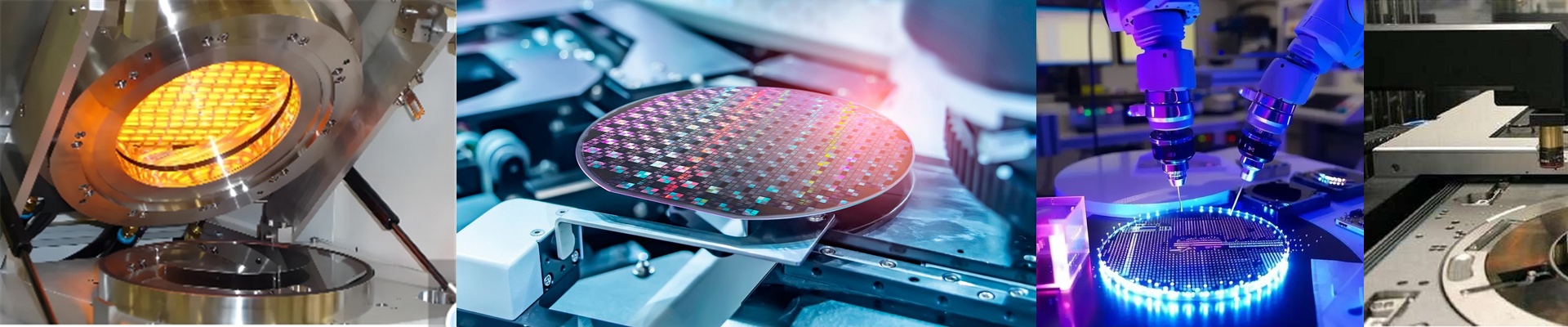
This is a high-density halogen infrared heater, built to take the rough and tumble of industrial work. It’s all about giving you heat that’s steady, repeatable, and fits into a tight space. We went with 400V operation because you need serious power to get the job done, especially on a 300mm tube. That voltage choice gives you a clean, high-current path with minimal power loss. So even if the wiring has to run a long way, the element hits the exact temperature you need, no guesswork. The wattage is tuned for a fast ramp-up and then holds steady once it’s there. And that 300mm length? It wasn’t a random pick. It matches up with common machine bays and concentrator layouts. So you can slide it right in without having to re-engineer your whole line.
The Secret Sauce
At the heart of it is a quartz halogen element. It responds instantly and gives you tight control over the heat. The halogen chemistry keeps the filament stable over time, which is huge when your process depends on consistent radiant output. But the real hero is the gold coating. It reflects infrared energy back onto the target and shapes the spectral output for even heating. And keeping that coating thickness within 0.1mm is how we kill hot spots and keep the heat profile perfectly uniform. We also paired the tube with an R7s connector. It’s a no-nonsense, industrial-grade two-pin design that can handle high temps and stays rock-solid. It snaps in fast, holds its alignment, and won’t loosen up, even with constant vibration.
Where It Shines
This setup is for the processes where heat isn’t a variable you can play around with. It’s perfect for coating lines, curing stages, and precision drying—anywhere temperature uniformity directly impacts your yield. You get a heater that comes up to temperature fast, holds steady, and fits right into your existing equipment. But here’s the thing: the power density is high, so your machine’s cooling and thermal management need to be up to the task. Plan your airflow and thermal shielding from the start, and this thing will run predictably, shift after shift. No surprises. Just the heat you need, exactly when you need it.