
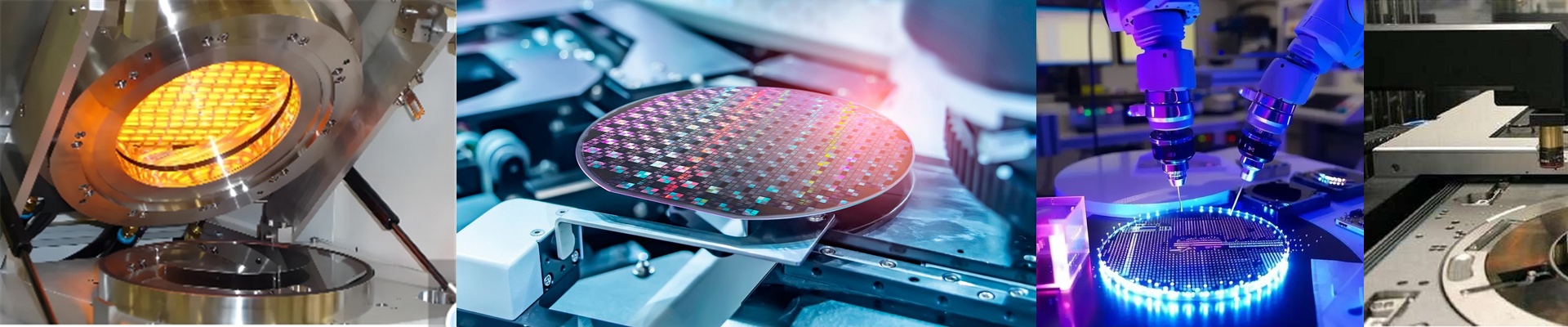

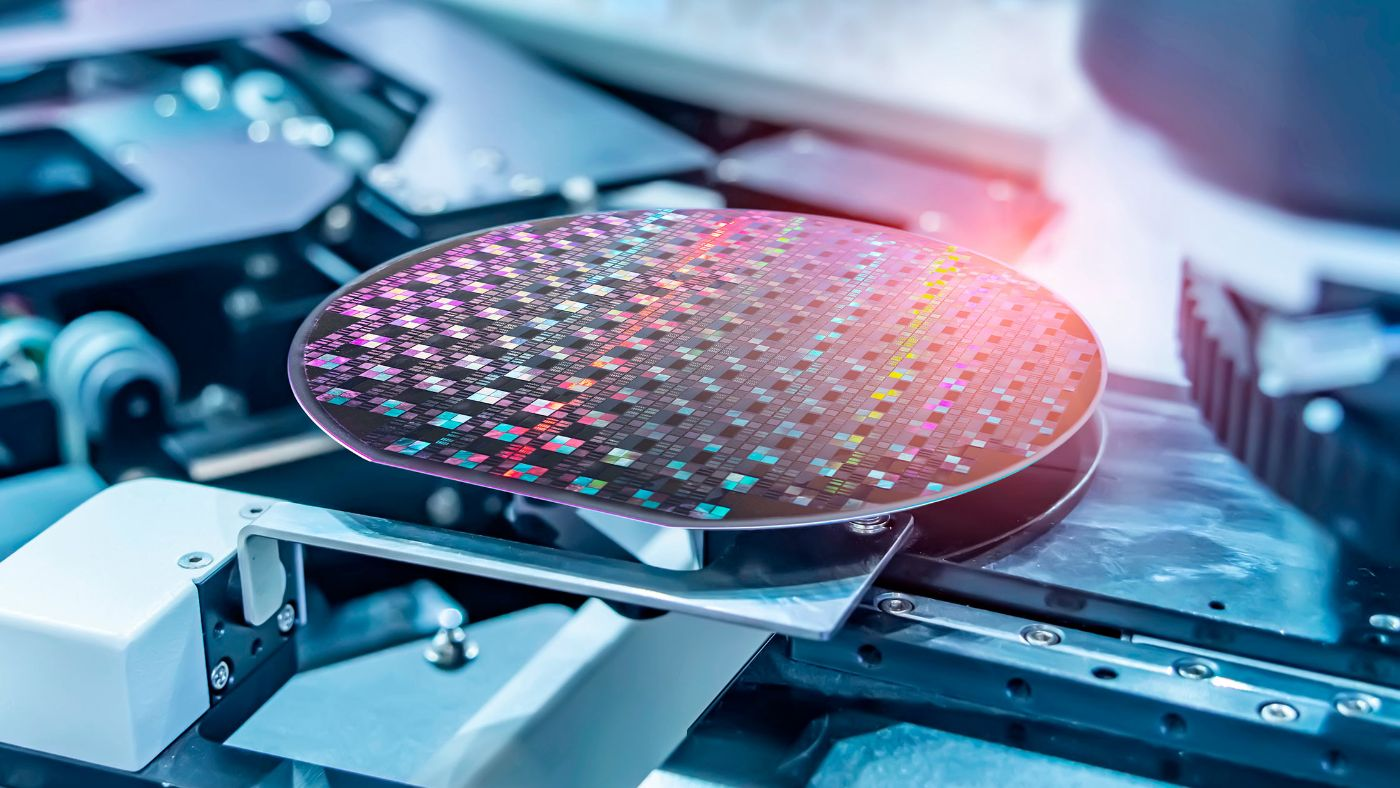
On the fab floor, PECVD chamber temperature isn’t a background setting—it’s where the process lives or dies. A 1°C drift across the susceptor shows up immediately as film stress shifts and etch rate non-uniformity. If the infrared emitter can’t hold its end, you’re not chasing spec anymore. You’re chasing scrap. What matters under the hood We run short-wave NIR halogen elements in a quartz envelope, because they snap to temperature and give you tight spectral control. That translates to wafer-level uniformity within ±0.1°C across the active zone, and repeatability that keeps the thermal budget consistent lot after lot. The assembly is cleanroom-ready—Class 1–100—without adding particles during operation. No outgassing, no flaking. Just steady radiant heat. Why this matters in practice In PECVD, temperature sets deposition rate, film density, and stress. The emitter gives you fast ramp-up and quick stabilization, so you can shorten cycle time without giving up film quality. When you’re running photoresist, that same thermal discipline helps you hit clean soft bake and hard bake profiles, cutting footing and keeping linewidth under control. Power draw is optimized, and the emitter holds up on 24/7 duty with no surprise downtime—so your tool uptime stays where it needs to be. The shop-floor details you’ll thank yourself for later Installation has to be aligned tight to the susceptor geometry, and thermally anchored so uniformity doesn’t drift. The quartz parts are tough, but treat them carefully during maintenance—scratches will shift emissivity and quietly ruin your repeatability. Plan replacements around preventive checks, match the emitter output to your chamber’s thermal load profile, and then verify with in-situ metrology.