
Keeping Things from Blowing Up: IR Heating in Chemical Zones
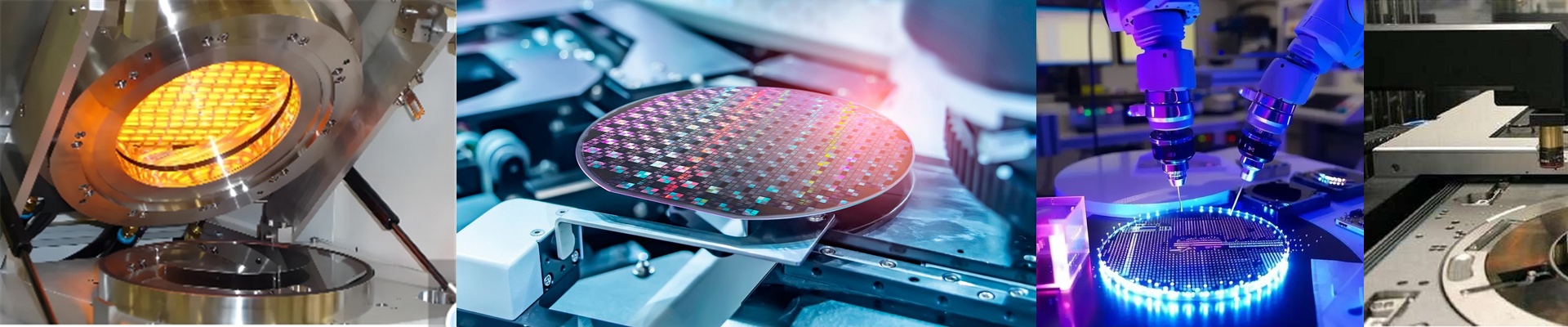
If you’re working in a semiconductor fab, you know the drill. Chemical cleaning stages are necessary, but they’re usually full of volatile solvents. Now, if you throw a standard infrared lamp into that mix, you aren’t just heating a wafer—you’re basically inviting a fire to start. We figured out a better way. Instead of using open-element designs that leave everything exposed, we wrap the whole thing in a specialized, explosion-proof shell.
How the Sealing Actually Works
Think of it as a protective bubble. We wrap our IR lamps in high-grade quartz or borosilicate glass and lock the ends down with gaskets that don’t flinch when they hit harsh chemicals. This creates a hard wall between the heating element and the air around it. So, if a chemical vapor leaks into the chamber? No big deal. It can’t get to the hot tungsten filament. We use hermetic sealing to keep the gas exchange at zero. This does two things. First, it stops corrosive vapors from eating the internals of the lamp—which is usually why these things burn out early. Second, it means any tiny spark from the electrical terminals stays trapped inside, far away from anything that could ignite.
Dealing with Heat and Stress
Here’s the tricky part: heat makes things move. If your seal is too rigid, the quartz expands, the glass cracks, and your safety barrier is gone. We build our housings to breathe. They let the quartz expand and contract during those rapid heat-up cycles without snapping the seals. But you’ve got to keep an eye on your airflow. Even though the electronics are safe inside their shell, that outer glass still gets incredibly hot. If your exhaust system is too small, you’ll end up overheating the rest of the tool. It’s a simple fix, but it’s one that people often overlook.
Getting It Into the Line
The best part is that these lamps are basically drop-in replacements. You don’t have to redesign your whole line. We also use reinforced connectors because, let’s be honest, machines vibrate. The last thing you want is a wire shaking loose in a flammable zone. By isolating the heat source, you’ve basically removed the match from the gasoline. You get the high process temperatures you need to get the job done, but you can actually sleep at night knowing you aren’t risking a flash fire.