
Introduction
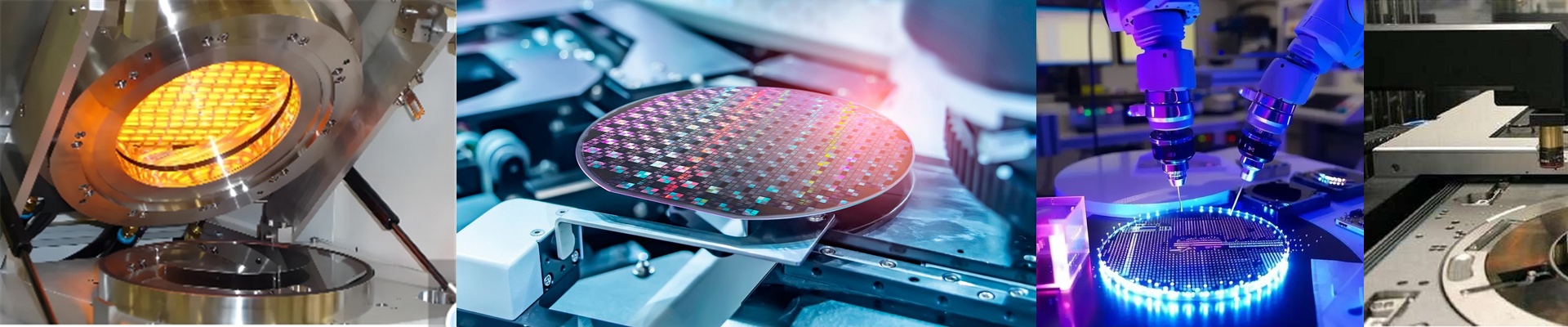
We make Replacement filament lamps for the fab and packaging lines. You need a heat source that performs like the original, but doesn’t eat into your bottom line. Our foundry-grade infrared lamps are built as true drop-ins. They match the original footprint and the same thermal profile, so your process keeps running without a hitch.
The Power, Voltage, and Fit—Plain English
Here’s the core: a 300mm quartz tube, usually rated at 2500W, built to run on 400V. That 400V choice isn’t random. It lets the lamp pack in serious heat density while drawing less current, which eases the strain on your power distribution and wiring. And the 300mm length with a slim diameter? It’s designed to slip into tight clamshell heaters and focused-heat zones. Now, this setup isn’t one-size-fits-all. If your line was originally spec’d for 230V, check your control system and socket rating before switching. A 400V, 2500W lamp delivers the heat you need, but it also needs a power setup that can comfortably handle the thermal load.
Material and Design: Built to Stay Stable Under Pressure
Inside, we use a halogen-cycle filament sealed in a high-purity quartz envelope. That halogen chemistry keeps the filament stable, so the lamp stays bright and avoids premature blackening. The quartz tube can take rapid heating and cooling cycles without cracking, even when the machine switches on and off a lot. And the R7s connector matters more than it sounds like it should. It gives you secure, two-point contact that carries the current and holds alignment tight. On a high-vibration packaging line, that stability helps prevent arcing and hot spots. Installation is straightforward: slide it in, lock it down. No adapter plates. No rewiring.
Why This Works on the Packaging Line—And on Your Budget
In packaging and testing, ovens and sealing tools need heat that follows a predictable curve. Our lamps deliver repeatable infrared output, so the heat profile stays consistent shift after shift. That means fewer rejects from weak seals or overheated leads—and less downtime spent swapping lamps. The cost story is simple, too. We build to foundry-grade tolerances—same thermal and mechanical performance as the OEM—but with a leaner approach that passes real savings along. You get a reliable, drop-in replacement that lowers your spare parts spend without risking uptime. Just run the lamp at its rated voltage, and make sure your cooling and sockets are properly matched. Do that, and it just works.