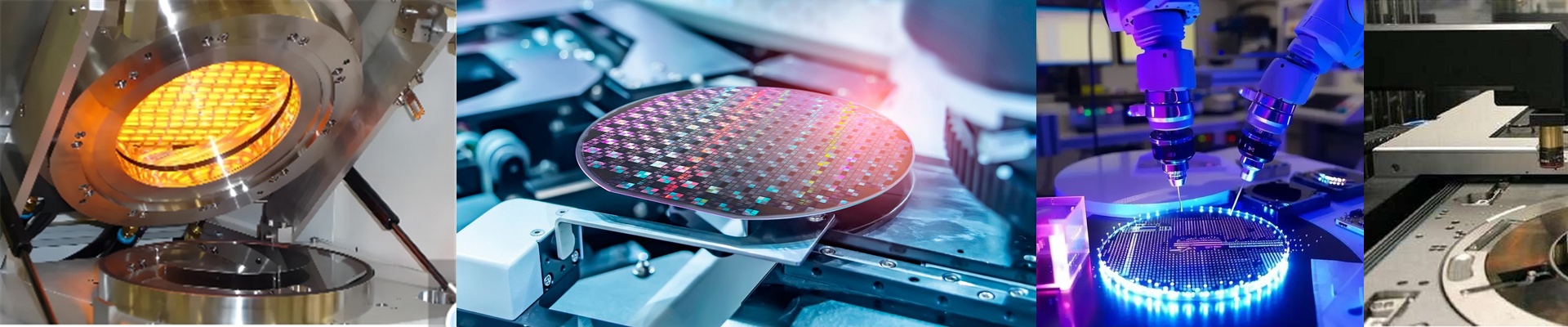

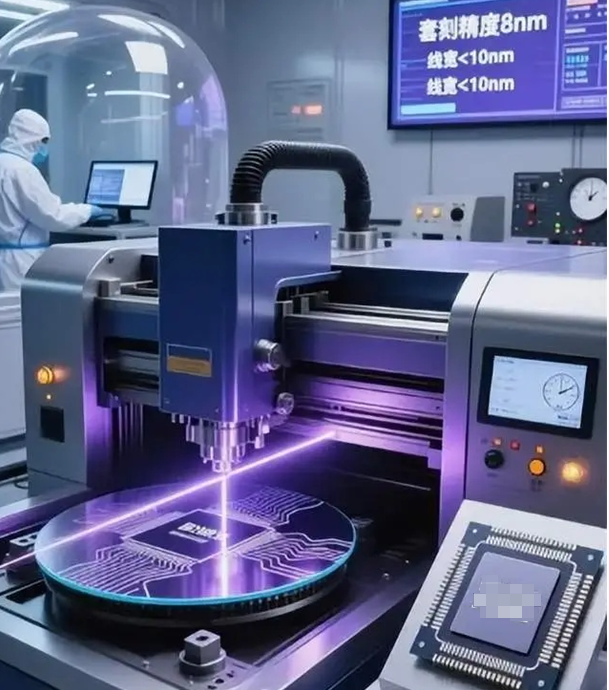
On the fab floor, you learn fast that a wafer coming out of the spin dryer with even a 1.2°C thermal spread can drift outside the lithography thermal budget. As nodes shrink, photoresist soft bake and hard bake tolerances get tighter—no surprise there. The drying lamp has to deliver repeatable heat, fast, and do it without adding particles. What matters, technically We run wholesale wafer drying lamps with short-wave infrared emitters. They create a uniform thermal field that’s sub-millimeter across the wafer. Hitting ±0.1°C temperature repeatability, measured right at the process plane, is the target. Fast thermal response cuts cycle time, and the lamp body is rated for Class 1–100 cleanroom use—zero particle shedding. Output stays stable within 1% over 5,000+ hours, so the bake profile stays locked. Why it works in photoresist processing Uniformity is what keeps yield moving. Sub-millimeter heat distribution keeps line-width critical dimensions stable across the wafer, which means less rework. The lamp hits setpoint in seconds, so you shorten soft bake and hard bake without overshoot. Energy use drops because you’re heating the wafer, not the room. You get consistent results shift after shift, fewer scrap lots, and you spend less on consumables. Here is what you need to get right Installation means matching the lamp to the chamber geometry and the controller’s PID response. Mismatched reflectors or an undersized power supply will chew into uniformity. Plan a dedicated 24 V control line to hold setpoint when voltage dips. Check the quartz envelope and mounting hardware against your solvents; some chemistries will accelerate embrittlement. Once aligned and calibrated, upkeep is minimal—but alignment tolerance is tight, within 0.2 mm.