
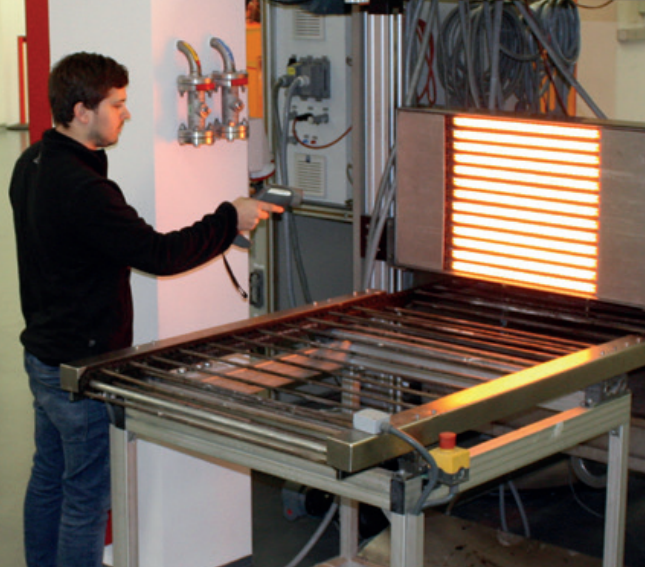
Getting the Heat Right in Bio-Sensor Fabrication
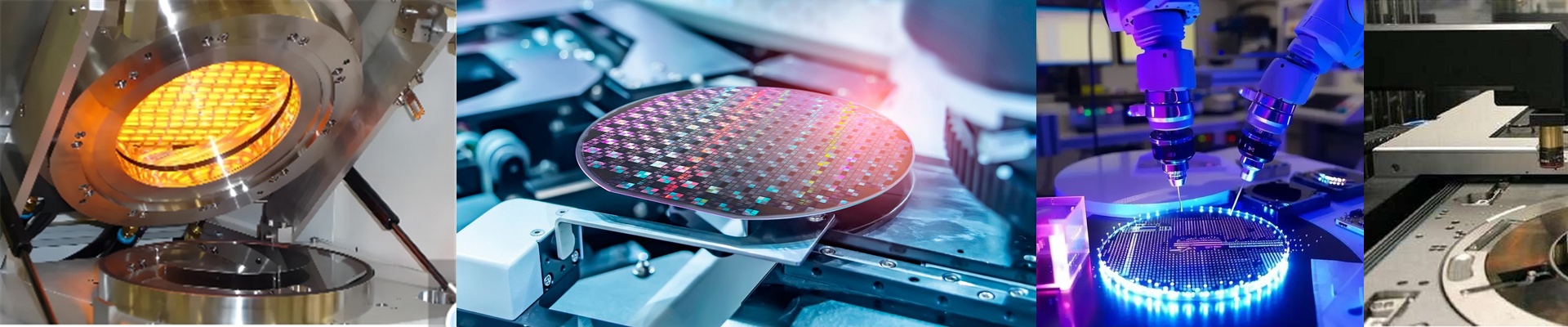
If you’re building bio-sensors, you know the struggle. You need the heat to be exactly right—not too hot, not too cold—or your substrate warps and your chemical bonds just don’t hold. For a long time, we all just threw everything into convection ovens. But if you’re trying to run a modern, digitalized line, that’s just too slow. That’s why we’ve shifted to infrared (IR) systems. They heat up and cool down fast. Like, really fast. And that’s the only way to keep the line moving without losing your mind.
The Nitty-Gritty of Heat and Wavelengths
When I’m picking out an IR system, I’m looking at the wavelength first. Short-wave IR is your go-to if you need the heat to soak deep into the substrate. Medium-wave? That’s for when you just need to cure the surface. To get the actual power, we usually lean on high-wattage quartz lamps. But here is the part where people usually mess up: your power grid. Whether you’re on 220V or 380V, it has to be stable. If your voltage drops even a tiny bit—we’re talking a 2% variance—you can kill an entire batch of sensors. It’s frustrating, and it’s expensive.
Making the Hardware Actually Work
Nobody wants to spend three hours swapping a lamp during a shift. That’s why we stick to standard connectors like R7s or SK15. You just pop the old one out and drop the new one in. Simple. To get these systems talking to the rest of the fab, we hook them up to PID controllers. The lamp isn’t just a dumb heater anymore; it’s actually giving us real-time data. One more trick: we often coat the quartz glass. It filters out the “bad” parts of the spectrum so you don’t accidentally fry the organic layers of your sensor.
The Trade-off (Because Nothing is Perfect)
Here’s the catch. High-intensity IR puts out a ton of waste heat. The lamps are great at hitting the target, but your chassis is going to feel the burn. If you cheap out on your cooling fans or water-cooled jackets, you’re asking for trouble. When the ambient temperature starts to drift because your cooling is undersized, your sensor calibration goes right out the window. It’s just the price you pay for that kind of heat density.