
Infrared vs. Forced Air: Which one actually works for your cleanroom?
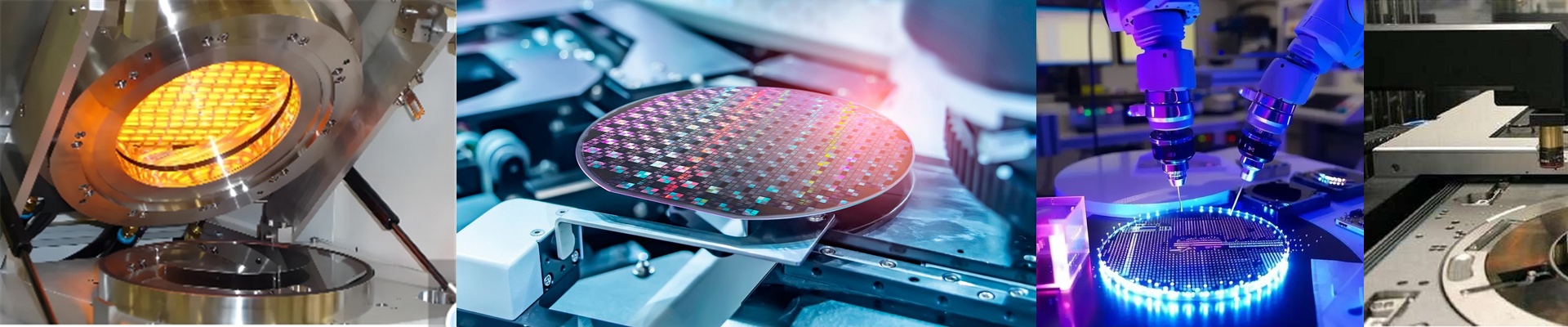
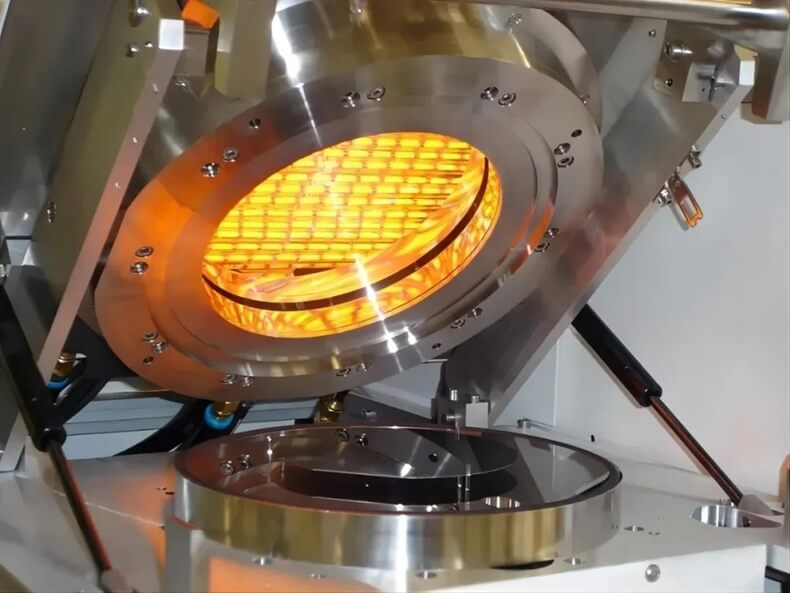
Switching from forced air to infrared (IR) heating in semiconductor processing isn’t just a gear swap. It’s a completely different way of thinking about energy. Think about forced air for a second. You’re basically heating up a giant bubble of air and hoping that heat eventually finds its way to your substrate. It takes forever. You’re just sitting there waiting for the chamber to catch up, and that “wait time” is a silent killer for your productivity. The speed difference is wild. With IR, you’re dealing with electromagnetic radiation. It doesn’t need air to carry it; it just hits the target and turns into heat instantly. We see this most when baking wafers or curing. Instead of waiting minutes for the air to warm up, you’re talking seconds. It’s fast. Really fast. And that changes everything for your throughput. Then there’s the mess. Air circulation systems are basically particle delivery machines. I don’t care how expensive your HEPA filters are—if you’re blowing air around, you’re risking contamination on your silicon. IR heaters just sit there. No blowers, no clunky ducting, no turbulent wind kicking up dust. You get a smaller footprint and, more importantly, a much cleaner workspace. But it’s not all magic. There’s a catch. IR is directional. It’s like a flashlight instead of a blanket. If your lamp spacing is off or your reflector angles are sloppy, you’ll end up with hot spots. You can’t just “set it and forget it” like you do with a convection oven. You have to be precise with your positioning. If you cram too many watts into one spot, you’ll overshoot your temperature before your sensors even realize what happened, and your wafer might warp. It takes a bit more finesse to set up, but once you nail the distance and the wattage? It’s a completely different league.