

Getting Your Bathroom Heat Just Right (Without Wasting Power)
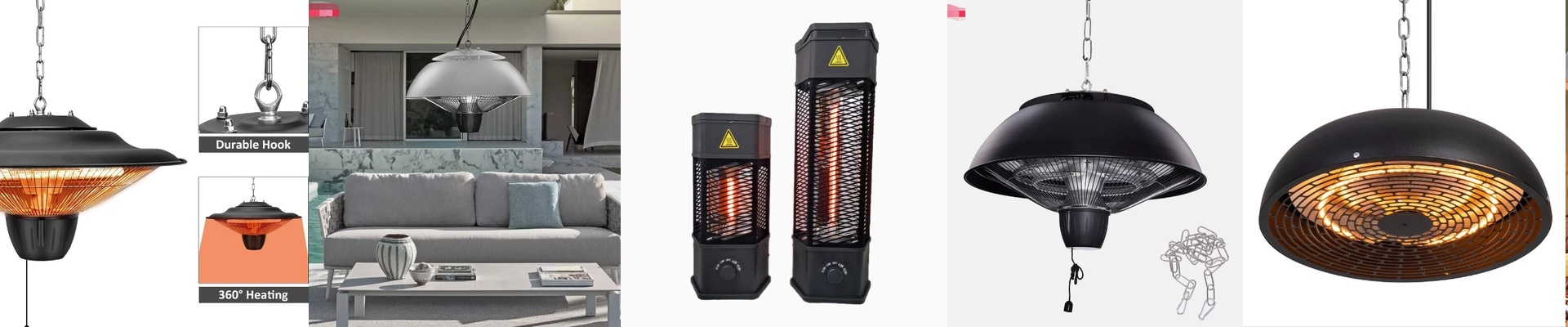
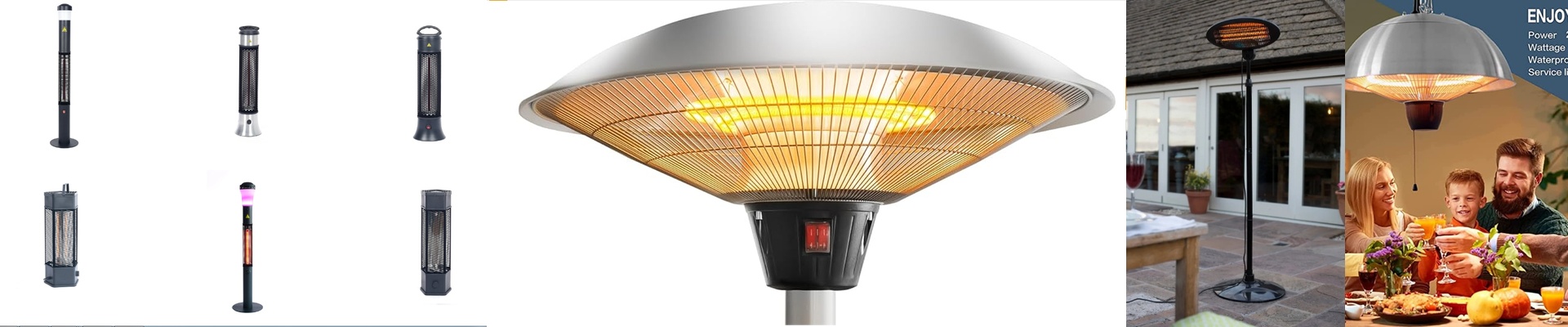
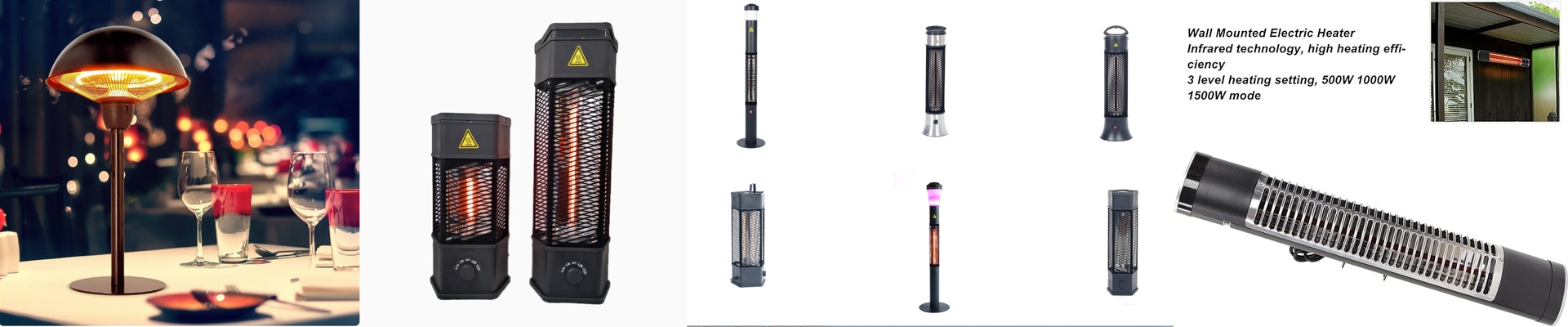
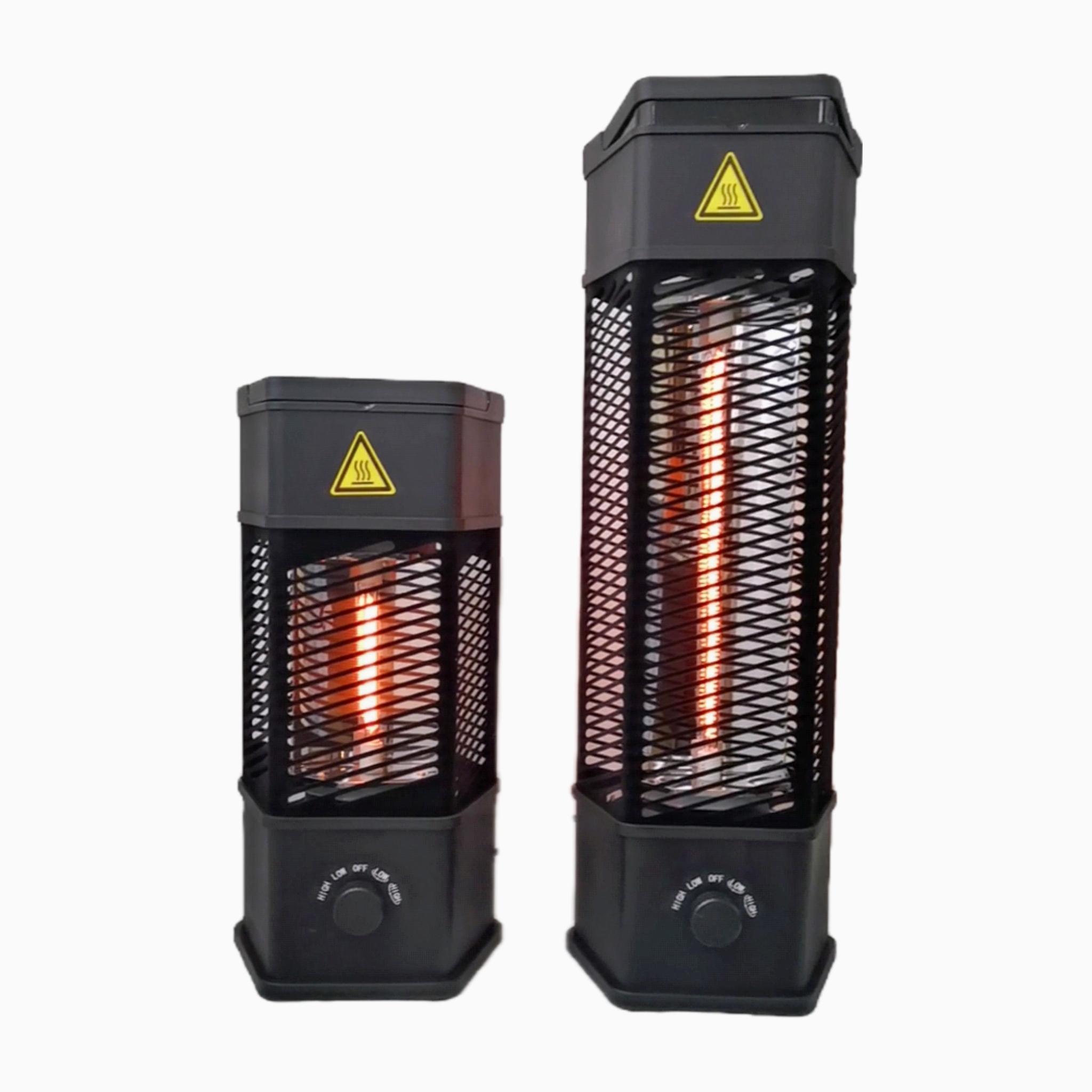
When we’re picking out infrared lamps for a bathroom, the IPX5 rating is the non-negotiable part. It basically means the unit can handle a splashing of water without blowing a fuse or shorting out. But once the safety stuff is sorted, the real trick is getting the wattage to match the size of the room. If you get this wrong, you’re just throwing money away.
Don’t Overdo the Power
Here is the thing: you can’t just slap a 2000W lamp into a tiny powder room. You’ll hit your target temperature in a heartbeat, which sounds great, but it forces the thermostat to click on and off constantly. That constant cycling wears out the relays and kills the unit way faster than it should. For those small spaces, we usually stick to something between 400W and 800W. If you’re dealing with a massive master bath, you’ll need more punch—either a higher wattage lamp or a few different heat zones so you don’t end up with freezing cold corners. The best part about shortwave radiation is that it doesn’t bother warming up the air. It goes straight for your skin. You feel that warmth instantly, which means you can actually use a lower wattage than a clunky old convection heater and still feel cozy right away.
The Waterproofing Trade-off
There’s a bit of a catch with that IPX5 seal. To keep the water out, we have to seal the housing and connectors tight. That’s great for safety, but it also traps heat inside the fixture. If you try to cram too many watts into a small, sealed box, the internal wiring can get way too hot. It’s a balancing act. We always make sure the lamp’s heat output doesn’t overwhelm the housing’s ability to breathe.
A Simple Guide to Picking Your Wattage
Stop guessing and just look at your floor space. It usually breaks down like this: ***Tiny bathrooms (under 4m²):**400W - 600W. This is plenty to get you warm fast without turning the room into a sauna. ***Medium bathrooms (4m² - 8m²):**800W - 1200W. ***Large bathrooms (over 8m²):**1500W+ or maybe two lamps. And a pro tip? Pair it with a dimmer or a timer. That way, once the room feels right, the lamp isn’t just blasting at 100% for no reason.