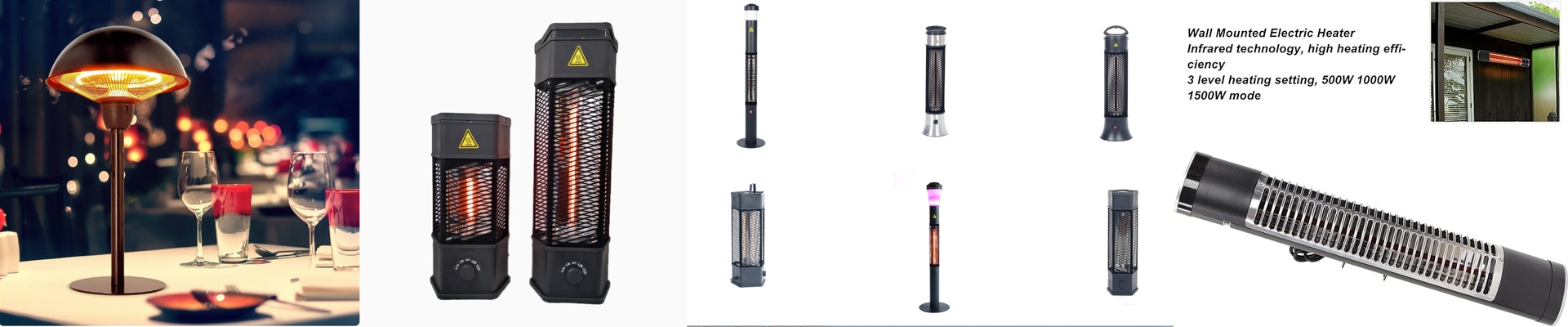
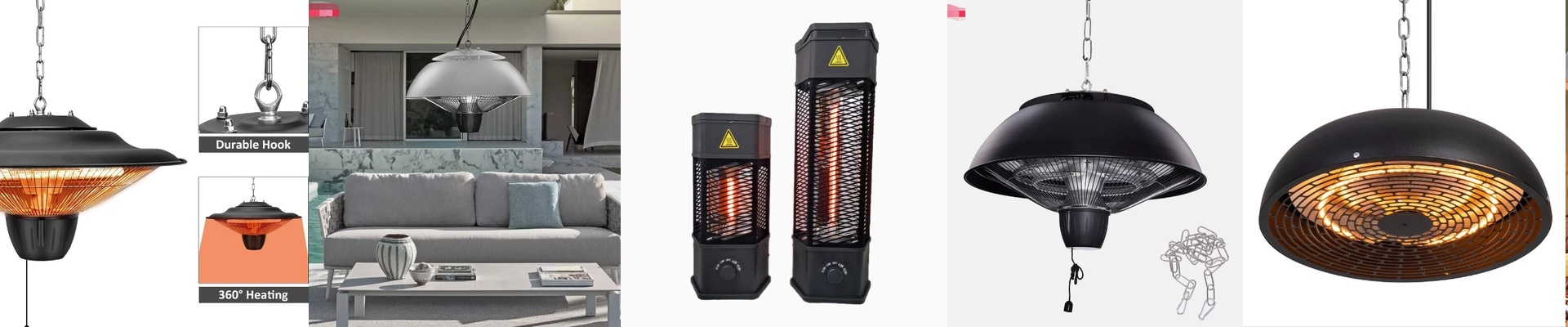
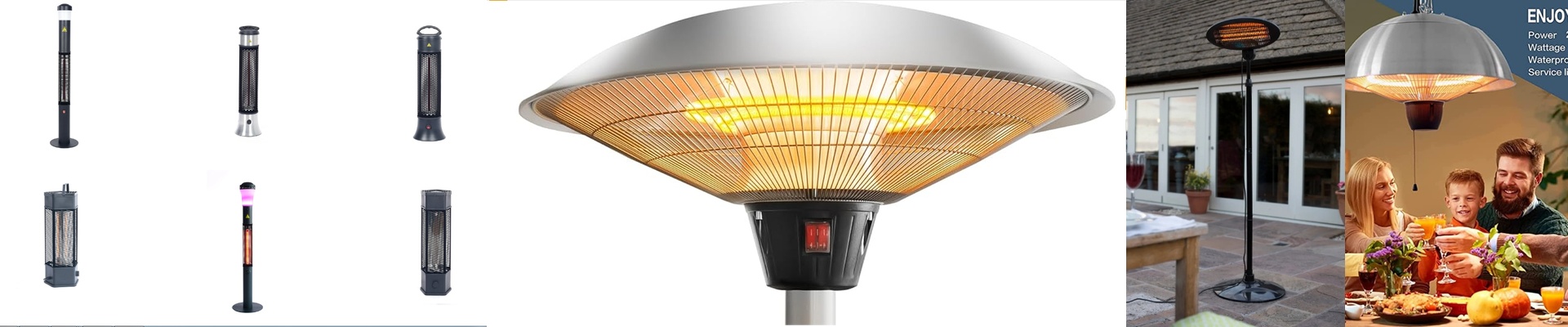

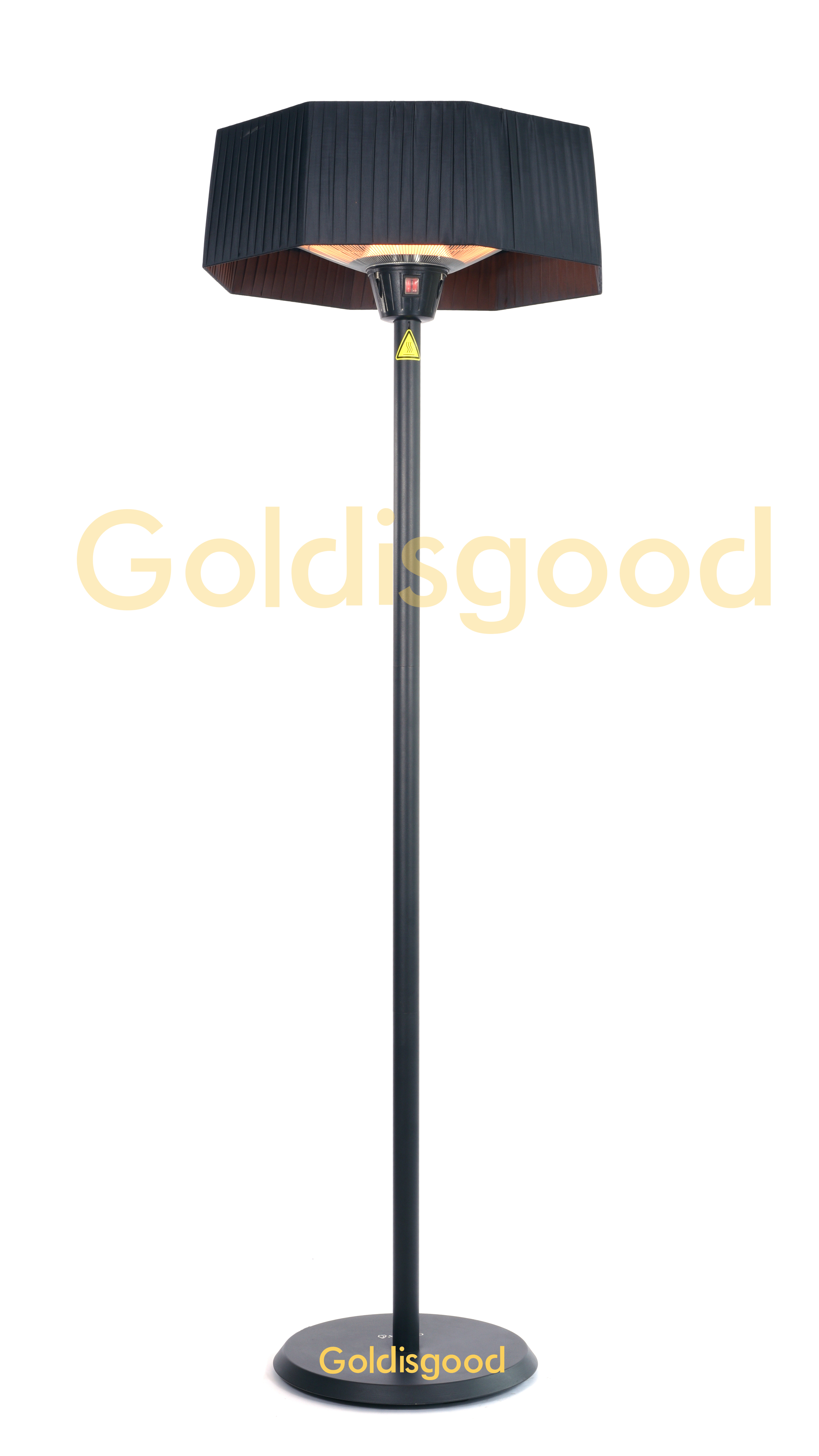
We built this table heater to thrive in wet spots—think bathrooms, workshops, anywhere water and dust hang out—without losing its cool. At the heart of it is an infrared lamp that throws heat exactly where you aim it. No wasted energy heating the whole room. Just direct, cozy warmth on target. Here’s the thing about infrared: it’s all about packing power into a small footprint. We tuned the lamp to deliver steady, predictable output without taking up a lot of space. And that IP55 rating? It’s not just a sticker. The electrical joints and housing are sealed tight against jets of water and dust. That matters when the unit lives near a shower or a wash-down area. We match voltage and wattage to real-world supply and heat demands, designing the driver and lamp as a team so the current stays stable. The lamp runs at its rated temperature—no overshoot, no fuss. The body is kept compact so it fits the footprint of standard tables and brackets, while still giving the quartz envelope enough room to radiate efficiently. We chose a quartz envelope because it handles high heat and rapid on/off cycles without cracking. Inside, the filament and reflector coating are tuned for infrared, not blinding brightness. So you get a gentle glow that prioritizes radiant heat—less glare, more comfort. It’s the kind of warmth that feels right in spaces where comfort matters, like a family bathroom. Swapping the lamp is a breeze, thanks to the R7s connector. It’s a proven industrial fit that lets you change bulbs in minutes—no wrestling with custom wiring. Even the coatings and sealing gaskets are picked to stand up to heat. They stay pliable after repeated cycles, so the waterproof seal doesn’t dry out and give up on you. On the shop floor, you need heat that behaves itself. This heater sends infrared energy straight to the target surface, so you can warm a table, a small drying area, or a bathing space without overworking the HVAC. Installation is straightforward: mount the bracket, wire it up, and the R7s connection clicks in clean. Now, the trade-off is thermal density. High-output infrared means you need to plan for proper clearance and ventilation around the housing and target area. Get that sorted up front, and the unit will run reliably, cycle after cycle.