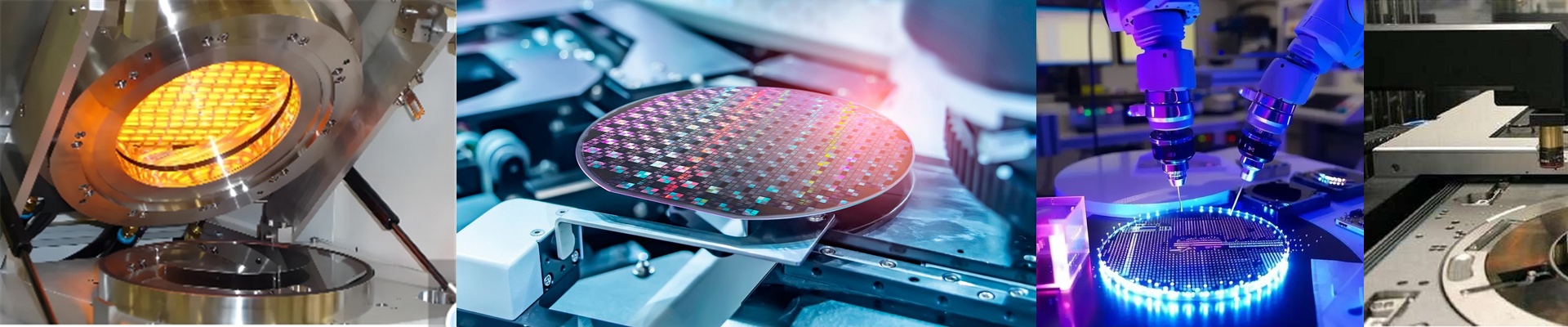

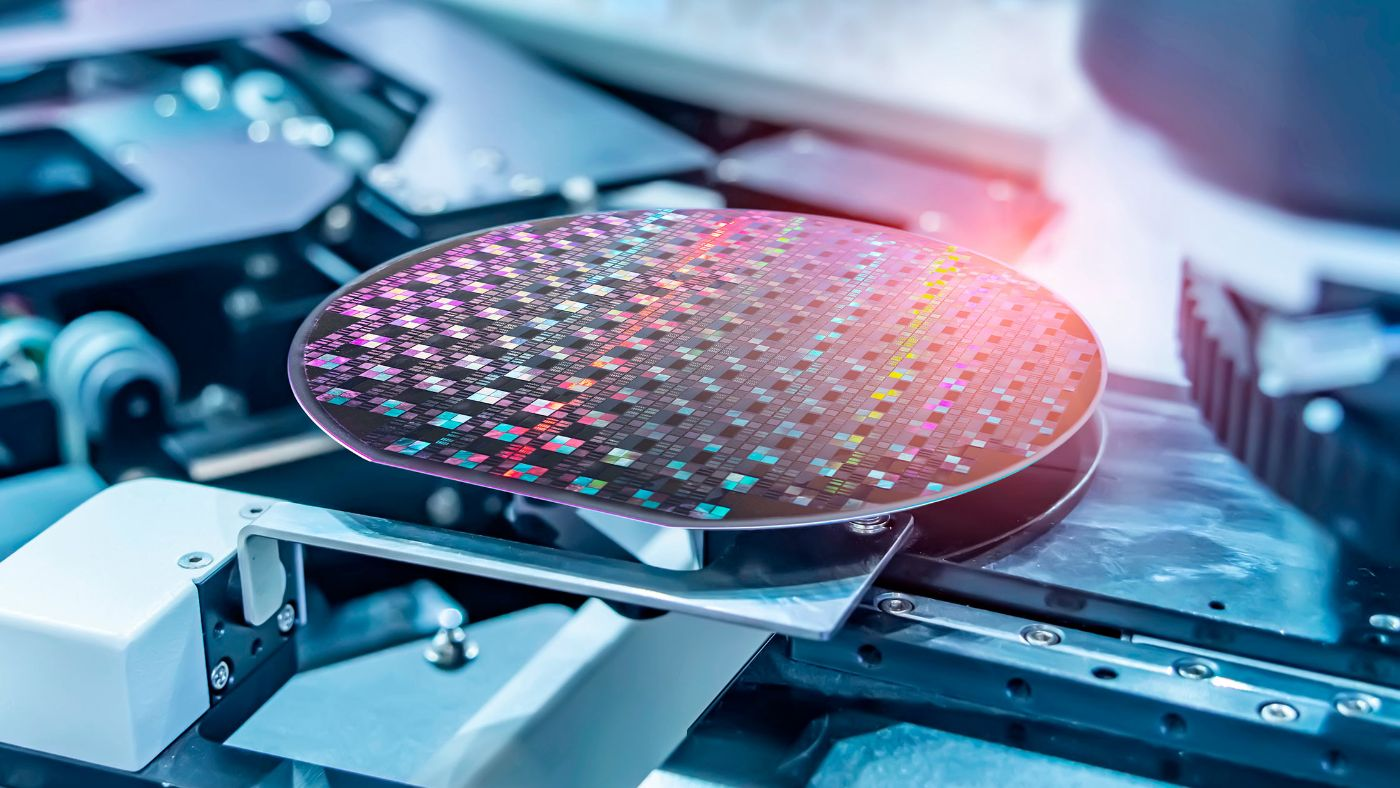
On the line, the photoresist bake is where linewidth control lives. A heater drift of even 0.5°C and you’re looking at CD shift, scumming, and scrap. Leybold vacuum heater spares are built to keep that thermal budget nailed down, hour after hour, under vacuum. What matters, technically We spec short-wave halogen emitters in high-purity quartz—fast ramp, tight temperature uniformity across the wafer. The heater body is cleanroom-compatible for Class 1–100, and the design won’t shed particles during thermal cycling. Setpoint stability lands at ±0.1°C, so your soft bake and hard bake profiles stay consistent. Power delivery is matched to Leybold platforms, with standard connectors and terminal layouts that make the swap clean and quick. Carbon-fiber insulation keeps heat where it should be, cutting energy draw without killing response. Why this plays in lithography Photoresist processing doesn’t forgive inconsistency. A stable bake profile means fewer rework lots and a higher first-pass yield. These spares put you back on the original thermal profile, so CD uniformity tightens and line-end shortening drops. Running 24/7, the unit holds repeatability across thousands of cycles, cutting unplanned downtime and the hidden drag of chasing drift with engineering time. The field notes Installation is straightforward, but the chamber environment has to be clean and dry—residual process byproducts will age the emitter faster. Match voltage and connector orientation to the specific Leybold model, and verify the thermocouple type so you don’t bake in a control offset. Plan replacement on a preventive schedule, not when it’s an emergency. That’s how you keep process discipline.