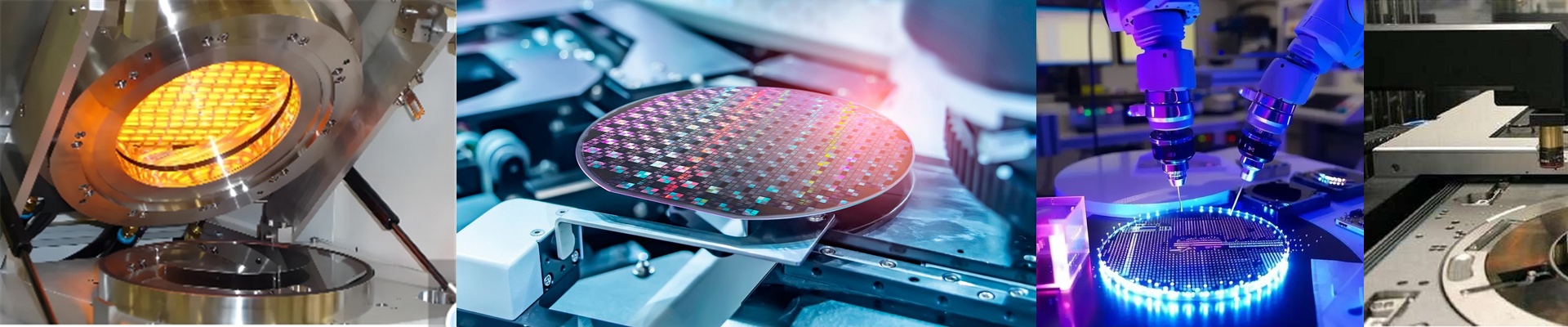

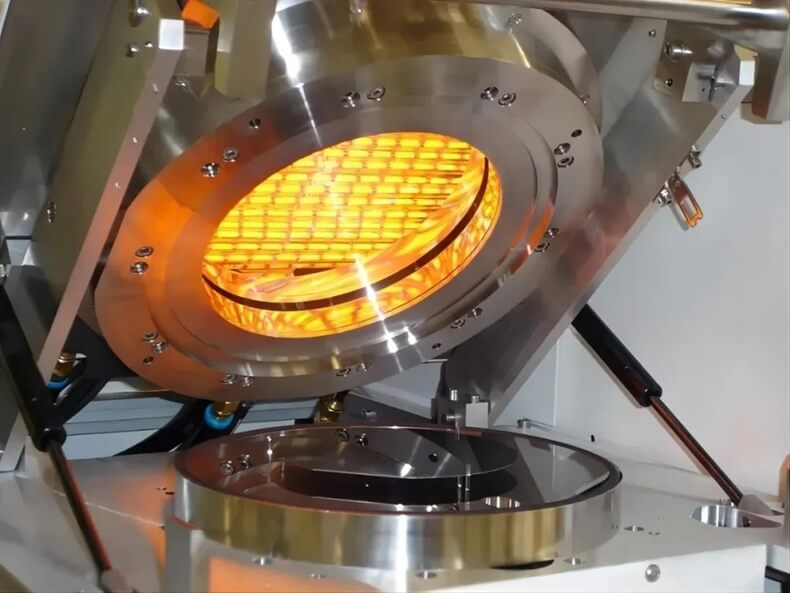
On the line, temperature drift isn’t a theory—it’s scrap. In TSV work, a 0.5°C spread across the wafer can show up as via etch depth variation, sloppy photoresist profiles, and stacks that don’t hold. You need a heater that treats thermal stability like a process requirement, not a hope. What matters, technically We run TSV heaters that hold wafer-level uniformity within ±0.1°C across the active zone, measured right at the process surface. The design leans on short-wave infrared elements and quartz-based thermal management, so you get fast ramp-up and repeatable steady-state control. Cleanroom Class 1–100 is achievable because we keep outgassing low and build the platform to control particles—so contamination stays out of the thermal path. Zero particle generation is verified in-situ during bake cycles. Why it holds up in production You feel the value where the process actually runs. Soft bake and hard bake become predictable: critical dimension control improves, and line-width variation tightens because the thermal budget lands the same run after run. TSV anneal and seed layer prep get more stable, which cuts voiding risk and the rework that follows. Energy use drops too—tight regulation and fast settling mean shorter soak times. The platform is built for 24/7 operation, with a field-proven service life that reduces unplanned downtime and the spares you have to carry. What you need to plan for Installation is straightforward, but the thermal interface has to match your chuck and tool envelope. Budget a calibration offset per station—ambient drafts and the tool’s thermal mass can shift what you see at the wafer plane. Expect a short commissioning run to lock setpoints and confirm uniformity maps across your product mix.