

High-Power Infrared Heaters: Taming the Voltage Rollercoaster
Let’s talk about a problem most industrial plants know too well: power that’s never clean. Voltage swings are just part of the job, and they murder heating elements. One spike, and you’re down. So here’s our stance: don’t just put up with it. Fight back. We build high-power infrared heaters that don’t merely tolerate voltage swings—they compensate for them on the fly.
What’s really going on under the hood
These heaters run at the edge—thermal stress and electrical stress, day in and day out. A tiny 10% voltage spike? That can crank filament temperature up by over 30°C. And that’s the kind of heat that ages materials fast and kills service life. So we built a system that keeps its eye on the line, nonstop. If the voltage drifts, it adjusts current delivery to keep power stable at the emitter. No thermal runaway. No wild swings. Just steady, controlled output. And it’s made for ugly grids—absorbing the jolts that would wreck ordinary units.
Built to take the punishment
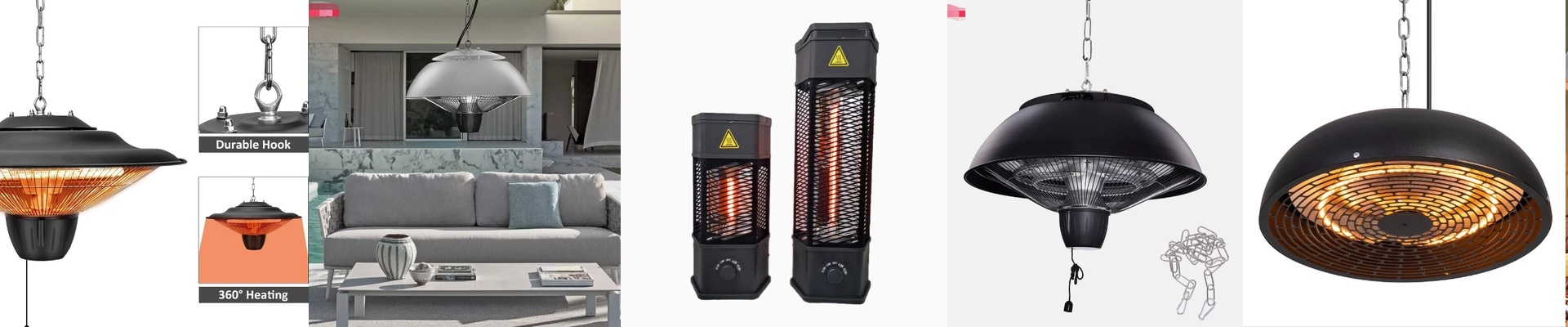
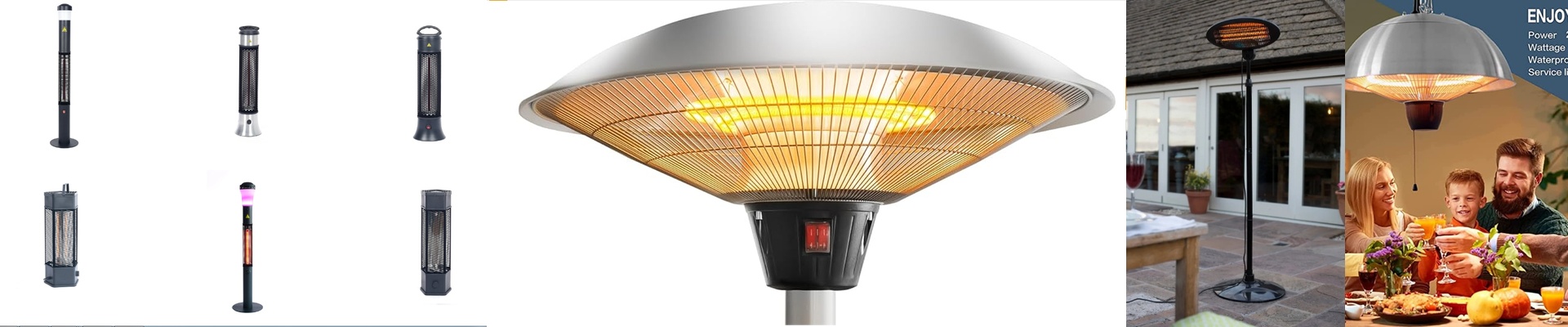
Smart electronics only get you so far if the guts can’t handle the abuse. That’s why we pair that system with an emitter assembly that’s genuinely tough. Quartz tubes with halogen fill keep resistance stable and emissivity consistent, even after thousands of cycles. Inside, the geometry spreads heat evenly, so you don’t get the hot spots that lead to early failure. And the terminals and connectors are rated for serious current and repeated heating and cooling. You wire it in, run it hard, and you don’t have to worry about contacts giving up.
What this means on the plant floor
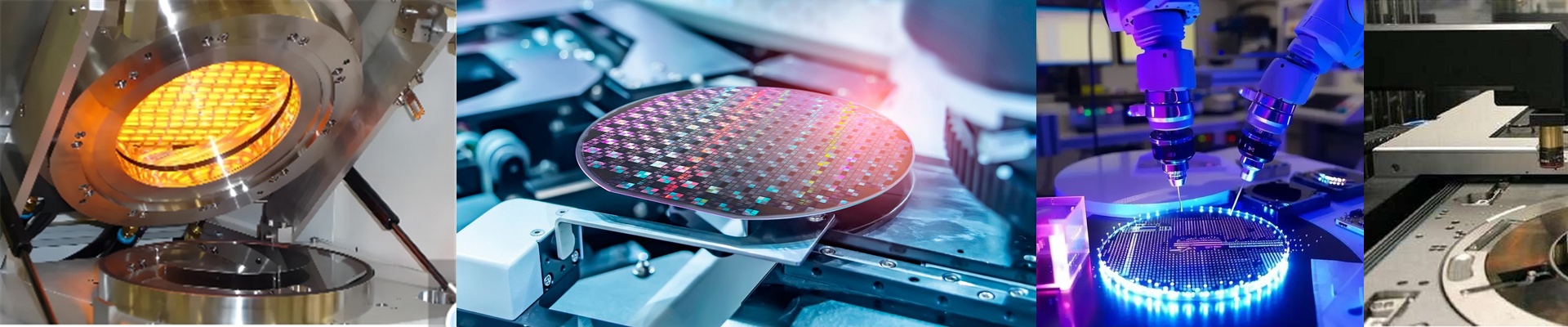
On the floor, uptime is the scoreboard. Our heaters deliver heat that’s predictable and fast—no dips, no surges. Even when line voltage is rough, the compensation keeps performance steady. Now, a realistic note: keeping power density stable means managing heat properly. Your enclosure and cooling need to be up to the job, or you’re making the electronics fight an overheated environment. For engineers, that translates into fewer surprise failures, maintenance planning that actually stays on schedule, and process temperatures that stay consistent.