


In a hot yoga studio, the room has to come up to temperature fast—and then hold there—so clients can move through poses without fighting the chill. In a gym, members want warmth that doesn’t turn the air into a desert or kick up drafts. When the heat can’t keep up, classes feel flat, people dial it back, and that premium experience you’re selling starts to lose its edge.
What matters, technically
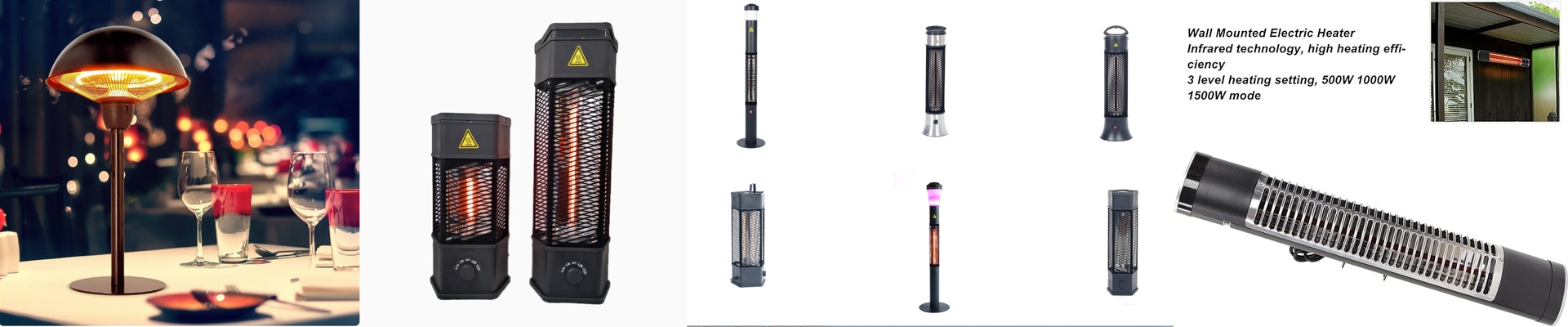
We built this ERP-standard infrared heater on radiant warmth, not forced air. The heart is a high-efficiency infrared element that throws heat immediately, in a specific direction—you feel it the second the unit is switched on. In practice, that means less time waiting for the room to “catch up,” and more even conditions from floor to ceiling. It’s engineered for commercial reliability: simple electric hookup, stable voltage operation, and a clean footprint that fits where ceiling or wall space is tight.
Why this approach works here
Radiant heat is a natural fit for hot yoga and fitness spaces because it warms people and surfaces directly. Clients get into a deeper sweat sooner, and the air doesn’t feel heavy and oppressive. That means shorter warm-ups, more consistent conditions class to class, and an easier path to offering hot-yoga-ready sessions as a paid upgrade. For studios, it’s also a practical efficiency move: infrared warmth focuses where you need it, so you’re not dumping energy into heating air that walks out the door every time someone opens it.
The details that make the difference
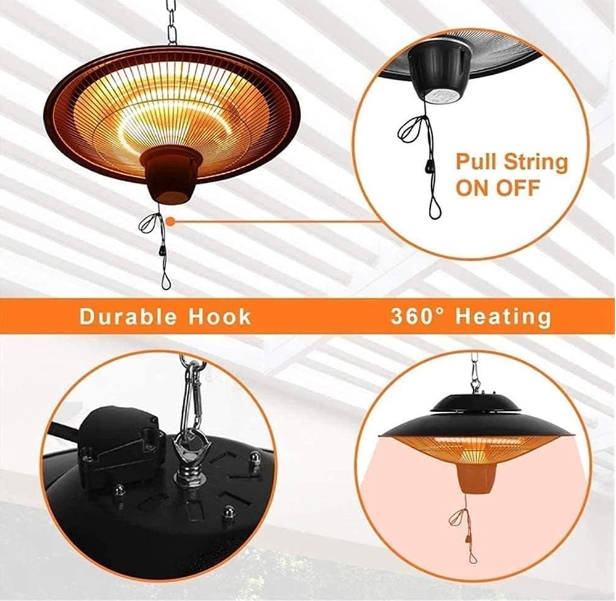
Because this is radiant, placement is half the job. Mount it overhead—or at a height that spreads warmth evenly across the mat area—so you don’t create hot spots or cold corners. Surface temperatures nearby will climb, so keep clearances clear and don’t aim the heater straight at sensitive equipment or exposed skin. On the maintenance side, infrared heat doesn’t depend on humidification, so there’s no mister to clean or bacteria to manage. The system stays straightforward.