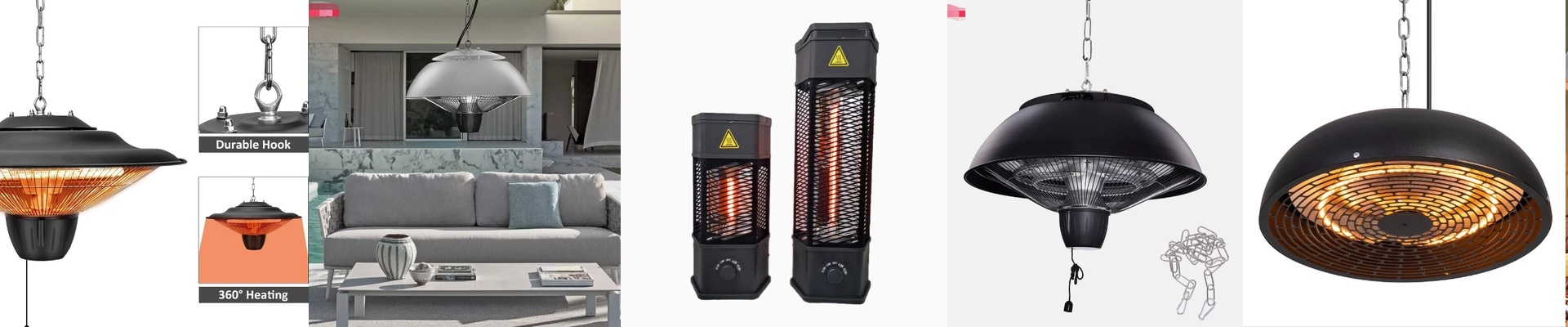
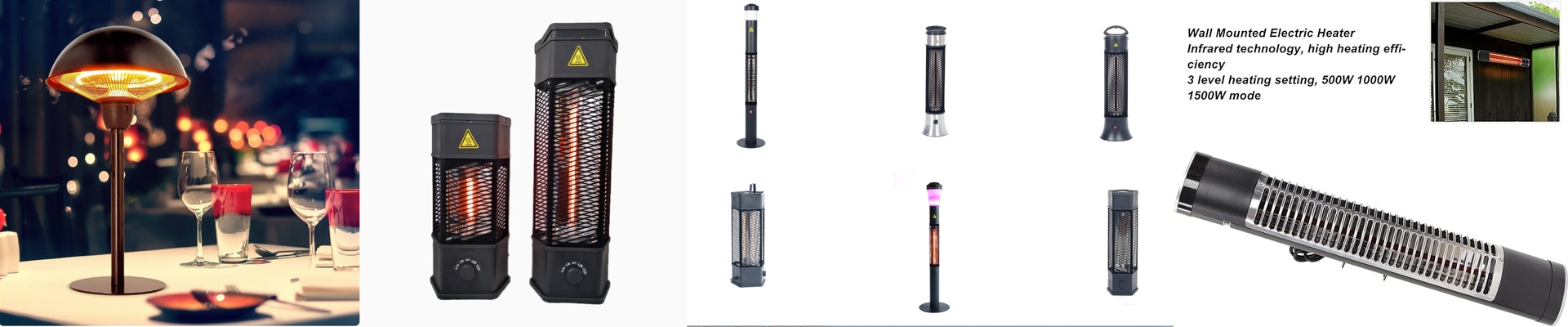

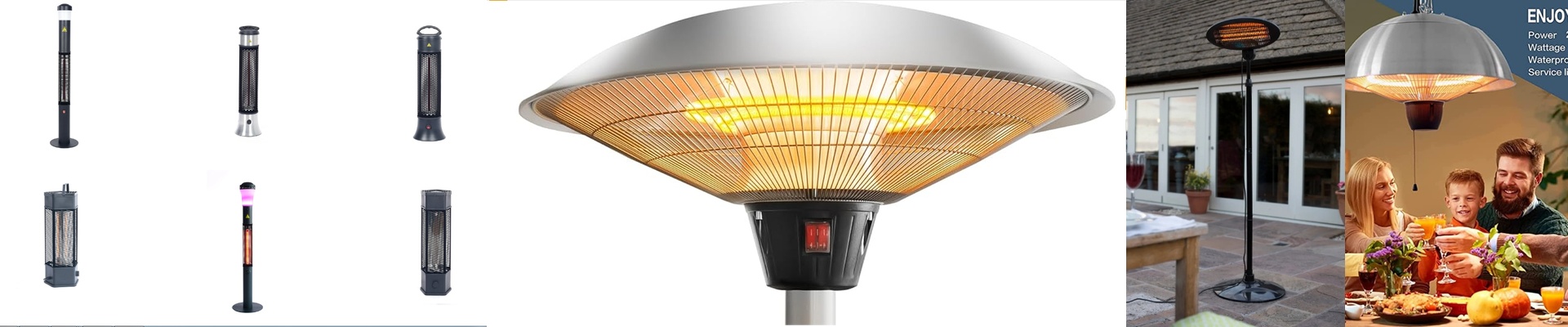
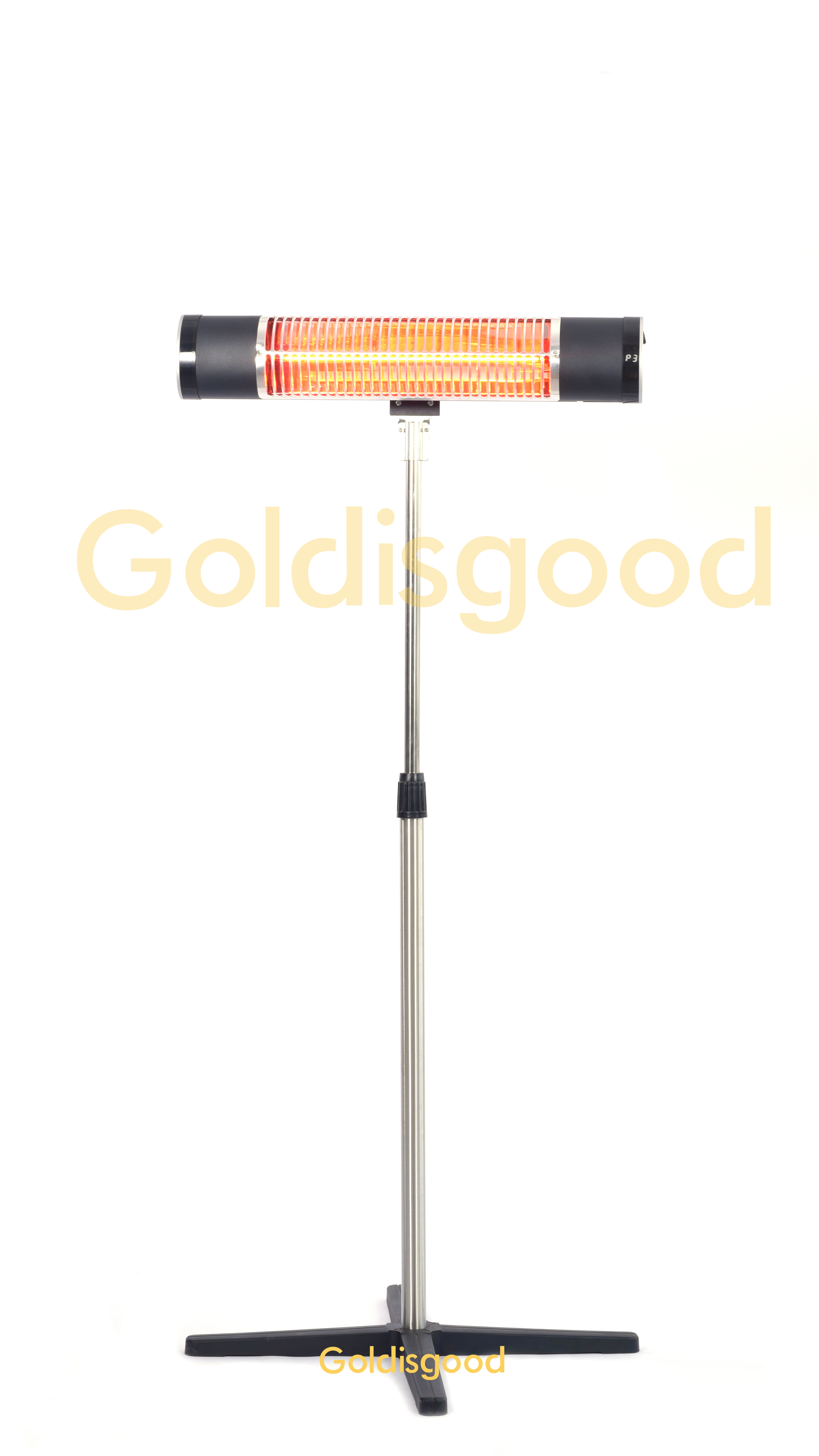
If winter bills keep climbing but the room still feels drafty, the problem is usually the heating method. Electric oil-filled radiators heat the air, and warm air rises—then leaks out through walls and leaves your feet cold. Infrared electric heaters take a different approach. They send radiant warmth straight to people and objects, the way sunshine warms you on a cool afternoon. You feel the heat where you are, not just where the thermostat happens to be.
What matters, technically
We build our high-power electric heaters around carbon fiber infrared elements that deliver strong, focused radiant output. A typical 1,500 W model puts the heat right where it’s needed, and because infrared transfers energy directly, you can run at a lower thermostat setting and still feel just as cozy. In practice, that often means cutting total energy use by 25–40% compared with a traditional electric oil-filled radiator, when both are used in the same space and the goal is comfortable, even warmth.
Why this works where you need it
In a living room, workshop, or covered patio, comfort comes down to steady warmth and predictable running costs. With infrared, you get faster comfort on start-up, fewer cold spots, and less heat lost up toward the ceiling. That direct-to-object heating helps keep floors warmer, supports steady air circulation, and reduces the urge to crank the heat. For many households, the monthly bill drops without giving up the feeling of a genuinely warm home.
The practical details
Infrared heating performs best when the heater has a clear line of sight to the people and surfaces you want to warm. In a very airtight room with little air movement, it won’t heat the space as quickly as forced-air, so pair it with gentle air movement when needed. For best results, size the unit to your room, plug it into a dedicated outlet, and keep it at least three feet from combustible materials.