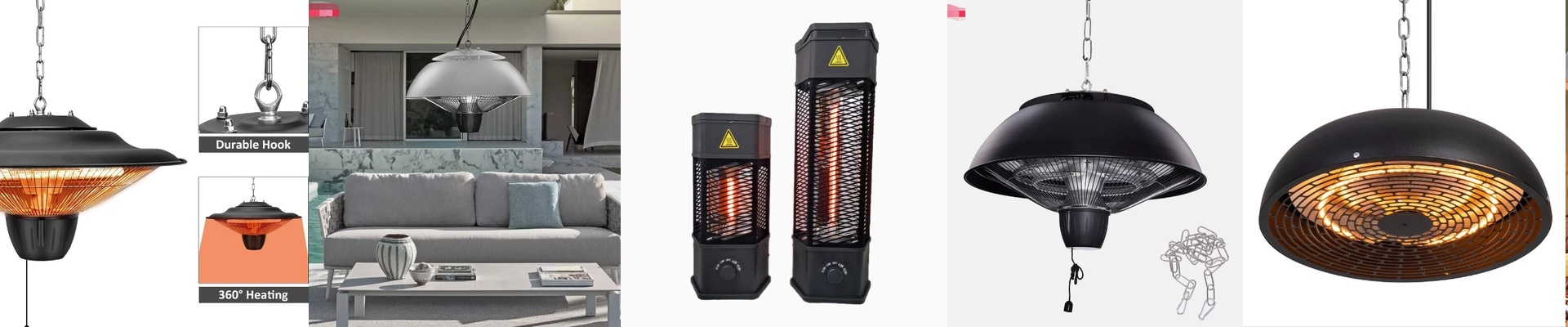
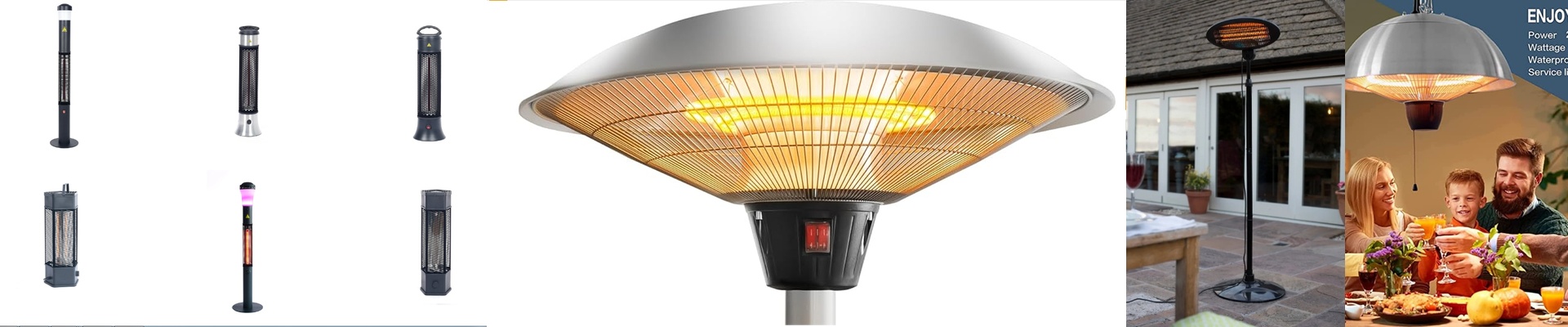
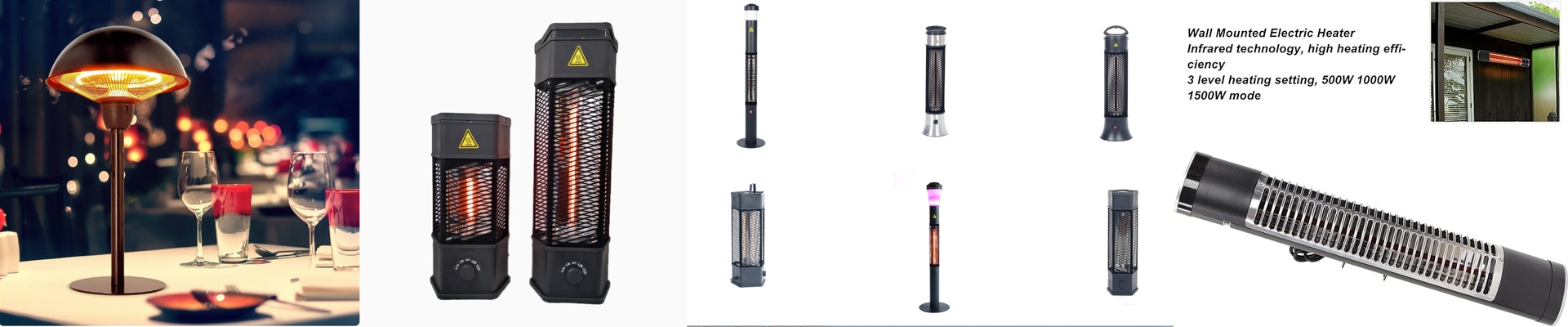
For anyone with allergies, a retail store can turn into a headache the minute the heating system kicks on. Forced-air heaters stir up dust and dry the air out, and that combo is rough on sinuses. You end up with sneezing, discomfort, and customers who just want to get out the door.
What matters under the hood
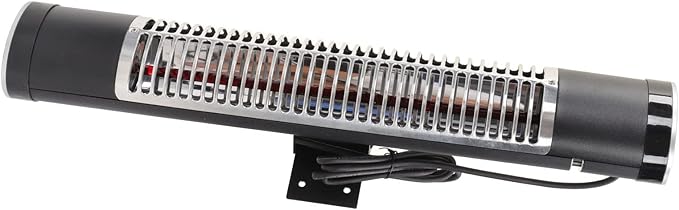
We build our retail infrared heaters around medium-wave radiant technology. Inside, a carbon fiber element sits in a sealed quartz tube. The tube surface stays cool, so it doesn’t scorch dust, and the heat goes straight to people and surfaces—not the air. No blowers. No moving parts to kick debris around. No blast of hot, bone-dry air. The unit runs quiet, so you don’t have fan noise fighting the background music or conversations. You get adjustable output, and a built-in thermostat holds the space steady so you don’t overshoot comfort.
Why this fits a store
Comfort is what keeps people browsing. With infrared warmth, you get gentle, even heat that customers feel as soon as they step in—without the dust and dryness that set off allergies. Staff stay more comfortable through long shifts, and sensitive product stays protected from temperature swings. Because the warmth is directional and efficient, you heat where people actually stand, not the empty air up by the ceiling. That means a cleaner-feeling environment, steadier comfort, and lower operating cost.
The practical details
Infrared heat needs a clear line of sight to the people you want to warm. Ceiling height, shelving layout, and airflow all play a role, so placement matters. These are electric units and typically require a dedicated circuit—have a qualified electrician confirm your outlet and wiring match the load. These heaters aren’t meant to replace humidification systems. In tight, poorly ventilated spaces, any heater does better with fresh air exchange. Plan the layout, and the heater will quietly do its job—keeping the store cozy without stirring up what makes people uncomfortable.