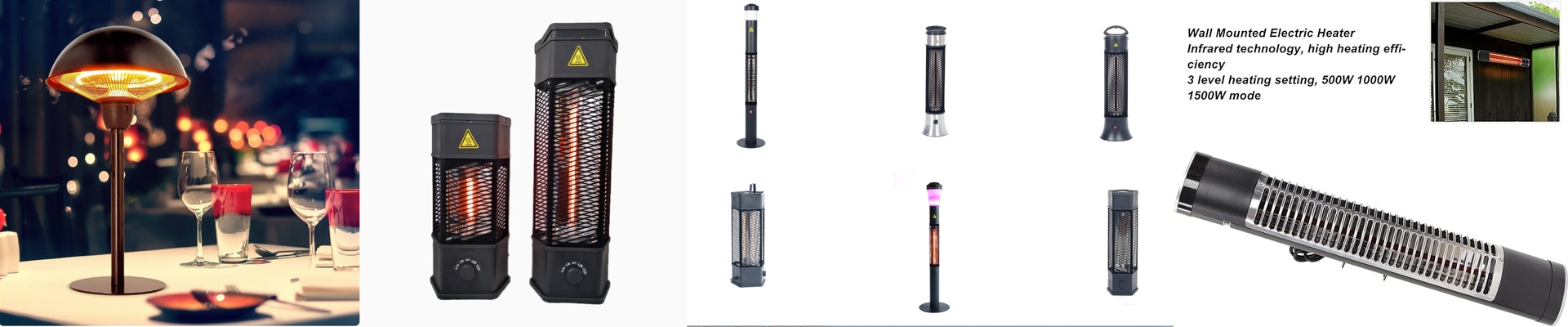

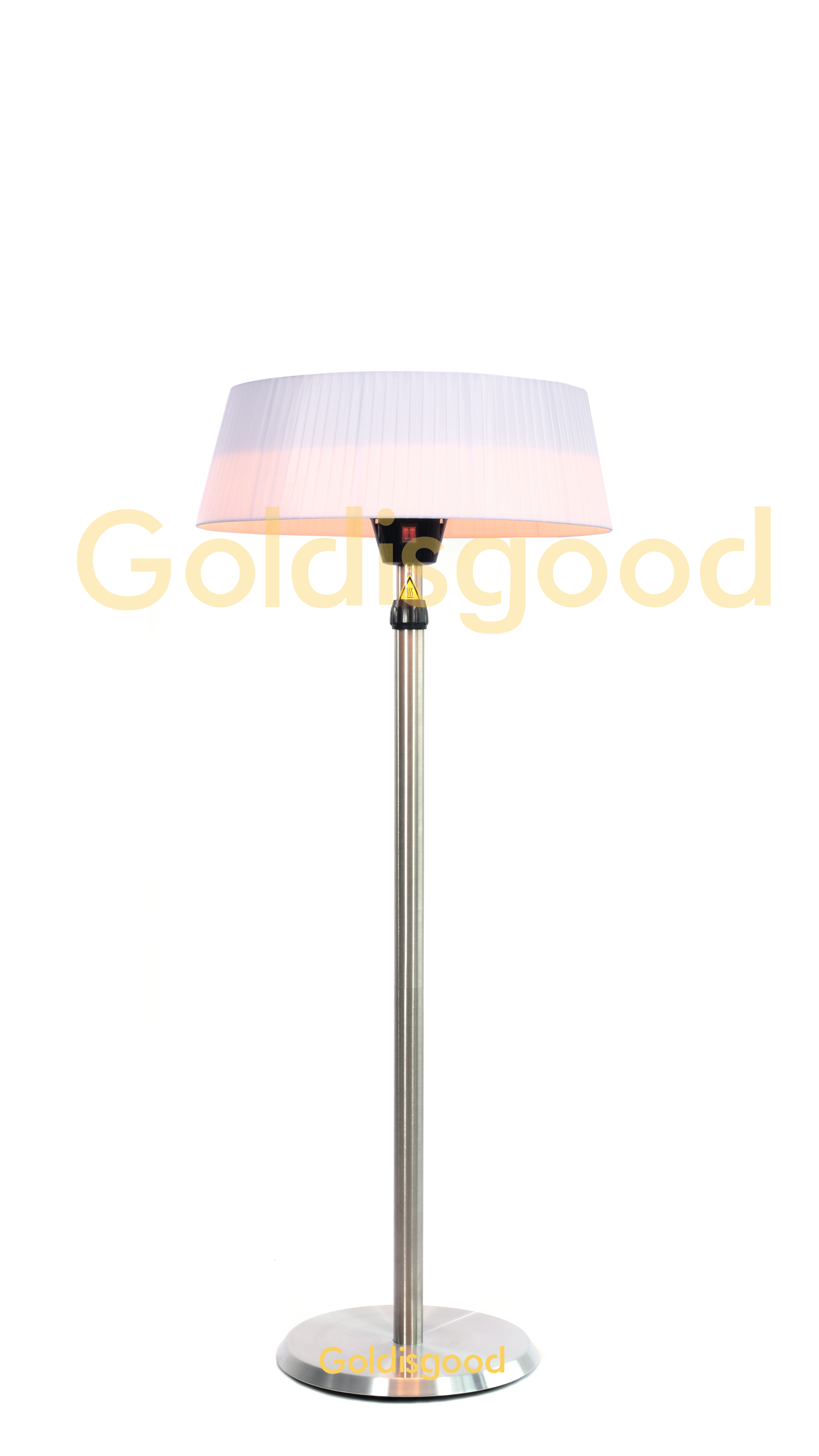
In a tight apartment, space is at a premium—and so is comfort. Traditional baseboard heaters tend to hog floor space, leaving you feeling boxed in and cold. Mount an infrared heater on the wall, and you flip the equation. You keep the room open while putting warmth where people actually sit.
What matters, technically
Wall-mounted infrared heaters work on radiant heat, not convection. Warmth travels outward in a focused beam, heating objects and people directly instead of warming air that rises and disappears. Many units use a carbon fiber or quartz element with short- or medium-wave infrared, so you get fast response—often hitting target temperatures in minutes. Typical models run on a standard 120V household circuit, pull 1,500W, and cover about 150–200 sq ft, depending on insulation. Look for a built-in thermostat for steady comfort, tip-over protection for safety, and an IP rating that fits dry indoor spots. The footprint is small, but the output is focused.
Why it fits apartment living
Space is the premium, and drafts are the enemy. A wall-mounted infrared heater clears floor area and targets the people in the room, not the ceiling. You feel warmth faster, and because the heat is directional, you can keep the main room cooler while still making a reading nook or dining corner feel cozy. The payoff is less wasted energy, steadier comfort, and a cleaner look without bulky baseboards.
The practical details
Installation is straightforward for a qualified electrician—these heaters need a dedicated outlet and a proper mount into studs. Placement matters. Aim the beam toward seating areas, not walls, and keep clearances as the manual calls out. Infrared excels at instant comfort, but it heats objects and people directly, so pairing it with a gentle background source helps even out the temperature across the room. Match the wattage to your space, and you get warmth that feels effortless—and looks it.