

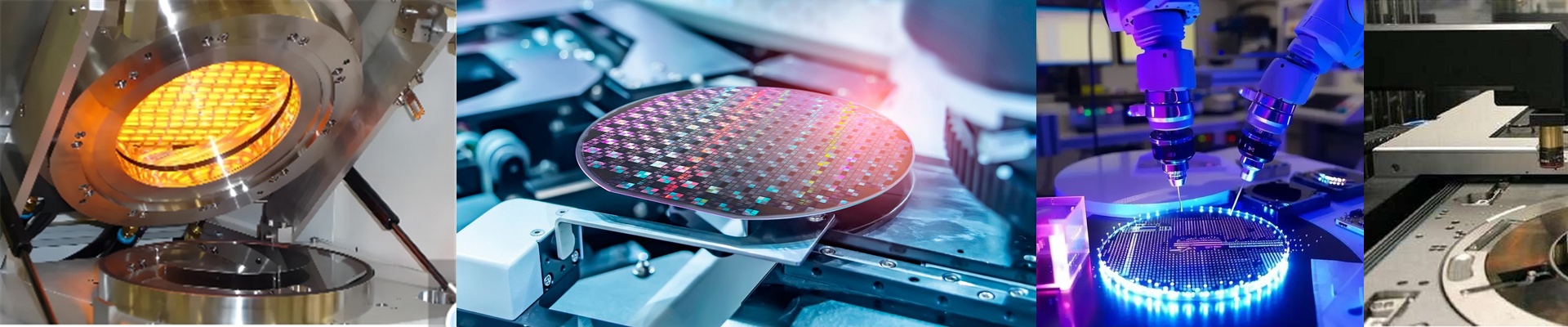
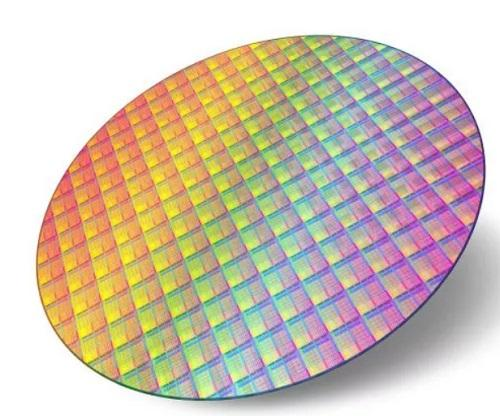
On the fab floor, target temperature isn’t a suggestion—it’s the process. A 0.5°C drift during pre-heat can throw off deposition rates, and a cold-start lag in the sputtering chamber just eats into uptime while you wait for vacuum to settle. We built these semiconductor sputtering heaters to keep thermal behavior predictable, shift after shift. What matters, technically The heater pairs a low-thermal-mass element with a quartz-based design, so ramp rates are fast and steady-state control stays tight. Across the wafer, uniformity holds within ±0.1°C, which keeps film thickness distribution where it needs to be. It’s engineered for cleanroom duty, with materials and surface finishes that keep particle generation near zero—solid for Class 1–100 environments. Repeatability comes in at ±0.2°C over 10,000 cycles, so qualification runs carry straight into production. Why it works in sputtering Consistent substrate temperature improves adhesion, helps control stress, and stabilizes deposition rate—fewer scrap lots, fewer reworks. The heater hits setpoint quickly, cutting vacuum-to-process wait time and boosting tool throughput. Energy use stays reasonable thanks to efficient insulation and controlled ramp profiles, and the design keeps maintenance calls down. On lines running 24/7, that translates to fewer unplanned stops and output you can count on. The practical details you’ll want to get right Installation comes down to mounting tolerances and the thermal interface. Even a small misalignment can create localized hot spots and hurt uniformity. You also need to confirm compatibility at the tool level—connector type, voltage, and control interface have to match your chamber. Plan for controlled cooldown in the recipe, too. It protects the heater and keeps repeatability intact. With setup dialed in, the unit runs reliably for 5,000+ hours, and output stability stays within 3%.