
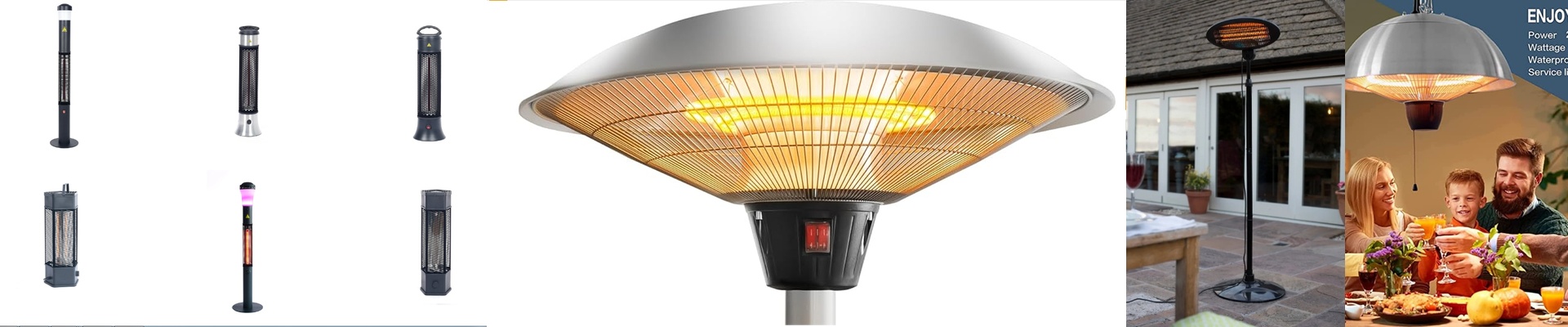

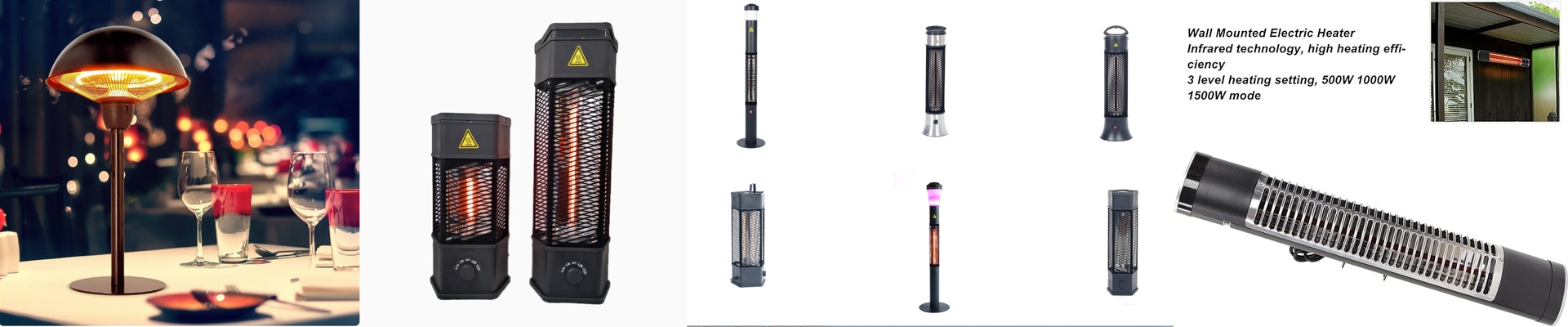
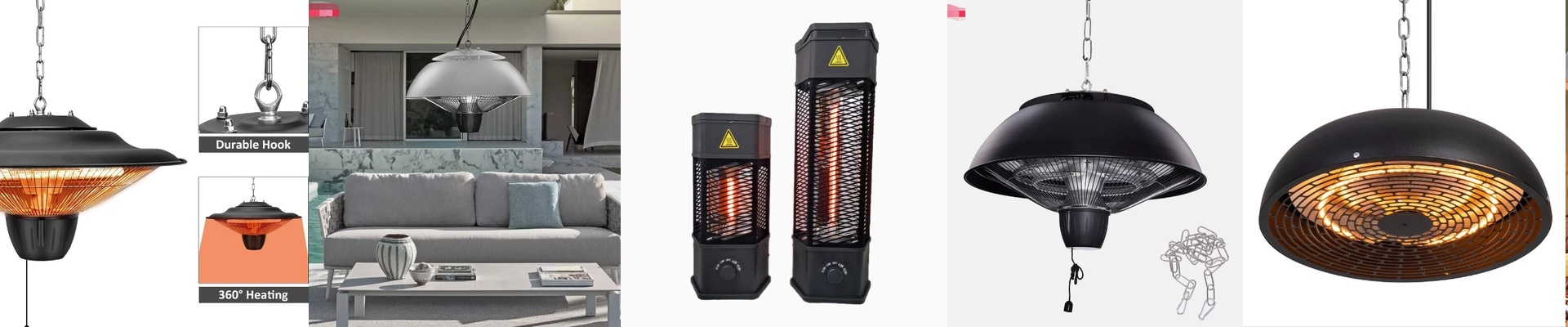
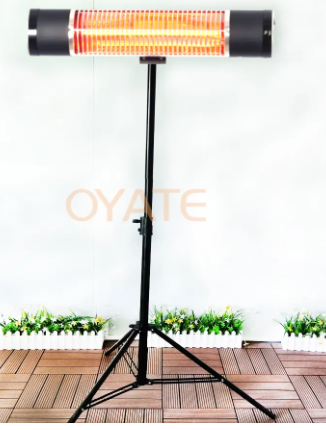
Step into a bathroom on a cold morning and you feel it right away—the chill off the tile, the damp air, the mirror fogging up the second the shower kicks on. An under-tile infrared heater changes that by warming surfaces directly, so the room stops feeling like a walk-in cooler. But in wet spaces, the real test isn’t heat output—it’s how long it lasts. Moisture gets in, and even a strong heater can die young. We built our top-selling under-tile infrared unit with fog and splash resistance because, in a bathroom, durability is the whole game.
What’s actually important, technically
We run a quartz-tube element in this under-tile heater, so you get true radiant warmth—heating people and objects, not just the air. It’s available in 120V and 240V to match typical home wiring, and the profile is slim enough to fit under most tiles without building up the floor. Longevity comes down to protection. The housing is IP54-rated to keep moisture out, and the front face is treated to resist fogging and splashing. In real life, that means it can handle steamy showers and quick splashes without corroding internal parts or losing output. You also get a built-in thermostat for steady comfort, plus tip-over protection for added safety.
Why this design makes sense in a bathroom
Steam and water are part of the job in any bathroom. Without solid sealing, heaters can lose output fast—sometimes within a single season. Our anti-fog and anti-splash approach keeps the element and electronics dry, so performance stays consistent and you don’t get premature failure. That means fewer replacements, stable warmth, and a bathroom that feels comfortable the moment you step in. The radiant heat also cuts down that clammy feel on tile, and you’ll notice the mirror stays clearer after a shower.
What you need to know up front
Installation has to be planned for under-tile from the start, and the electrical work should be handled by a qualified pro. Make sure the space under the tile can accommodate the heater’s thickness, and match the wiring to the correct voltage. The IP54 sealing handles normal bathroom humidity and splashes, but this unit isn’t built for direct, continuous water jets. Position it to avoid heavy streams, and you’ll get the steady, quiet infrared warmth the space needs.