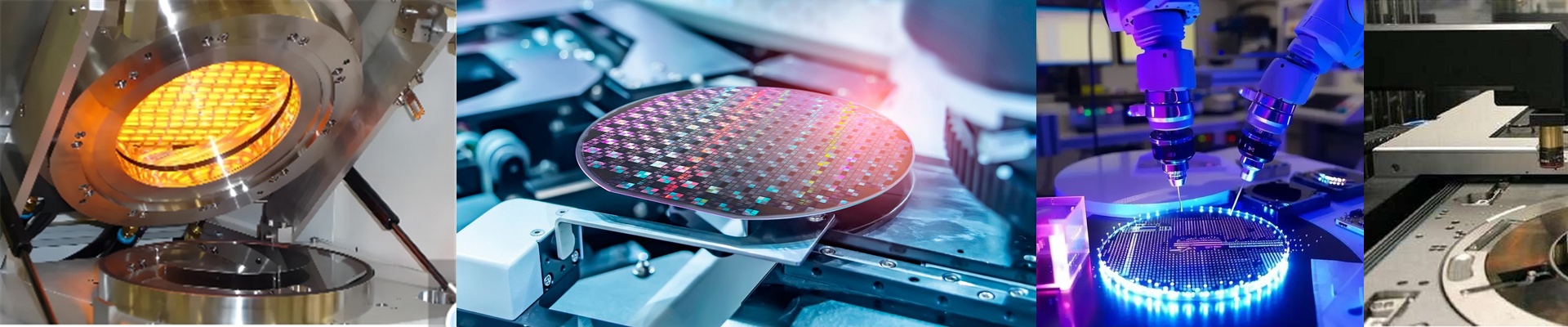

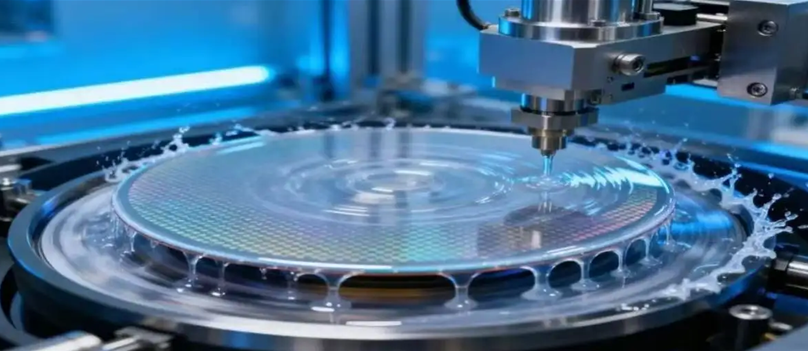
On the lithography floor, PEB temperature drift doesn’t show up with a warning light. It shows up as linewidth drift across the lot, then as yield loss that no audit can pin down. In a fab, thermal repeatability isn’t a preference. It’s the floor under process control.
What matters, technically
We built the PEB heater around short-wave infrared elements and a quartz-based thermal stack, so wafer-level uniformity lands within ±0.1°C across the bake surface. Temperature setpoints repeat tightly, shot after shot, which keeps the photoresist chemical amplification budget stable. The system is cleanroom-ready—Class 1–100 compatible—with materials chosen to hold particle generation at zero. It runs 24/7 without unplanned downtime, and it keeps energy use down without sacrificing thermal stability.
Why it works in practice
This heater goes straight after the failure modes that actually bite you in PEB: hot spots, edge drift, and slow recovery after recipe changes. When the bake stays consistent, critical dimension control tightens up and the rework drops. Cycle times improve because the tool hits setpoint fast and holds it, and scrap falls because the photoresist profile isn’t fighting temperature swings. Over time, fewer bake-related excursions mean a lower cost per wafer and a steadier line-of-sight to spec.
The things you need to get right
Installation has to respect the exhaust and coolant interfaces. If the plumbing doesn’t match, you can introduce thermal hysteresis that will undercut uniformity. The heater also needs a stable power supply and a dedicated controller calibrated to the chamber geometry. Plan the integration with your equipment team, and line up bake profile verification against your SPC targets before ramp.