
When the sun drops behind the trees, your gazebo can flip from a favorite hangout to a cold, clammy box. Standard heaters drag their feet, warming air instead of people, so the thermostat keeps the system running long after you’ve called it a night. That’s where low-heat-inertia infrared comes in.
What actually matters under the hood
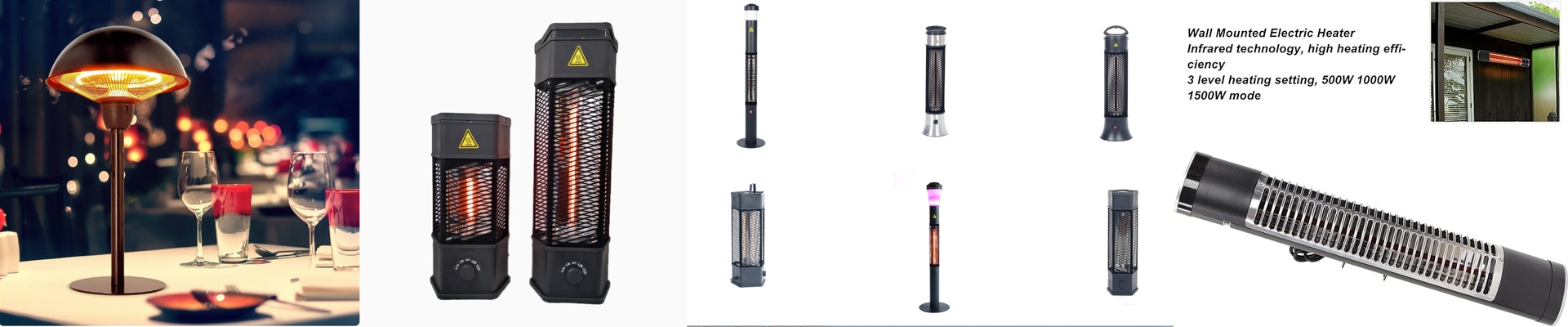
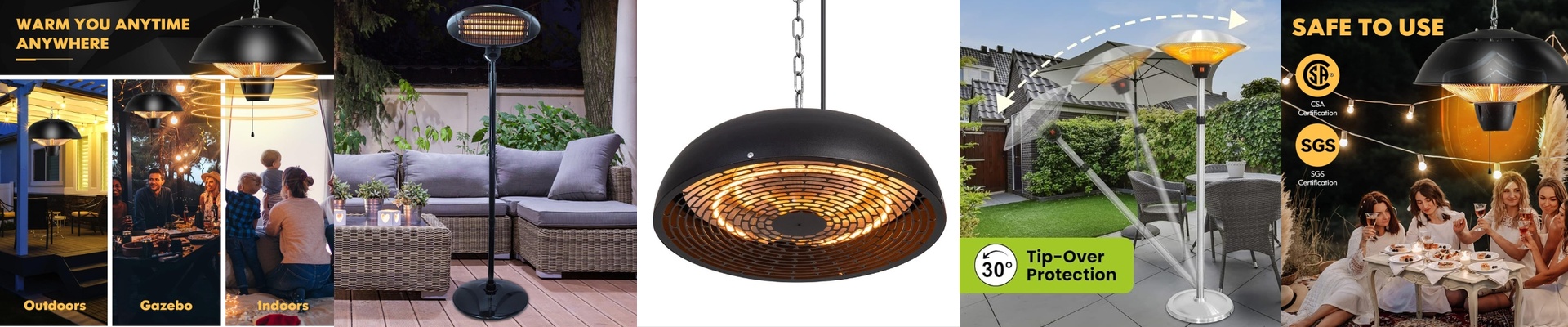
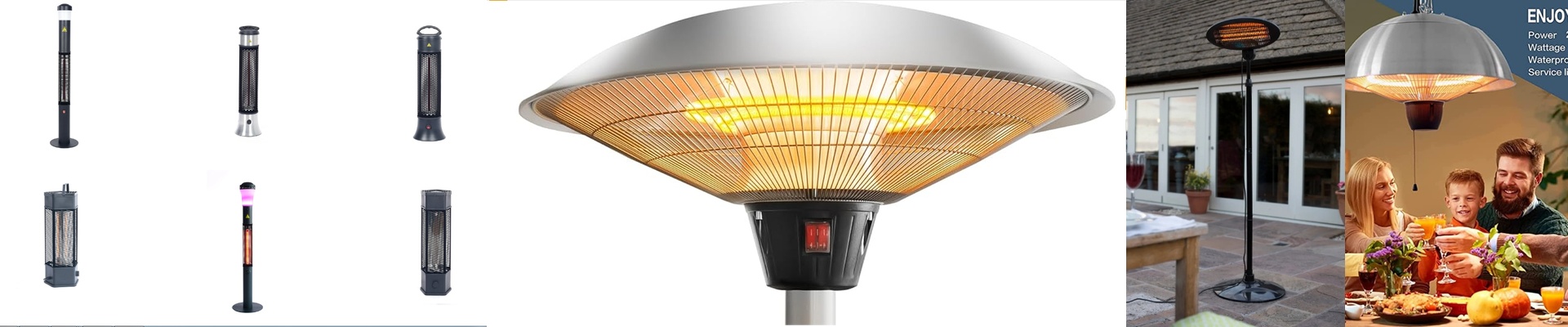
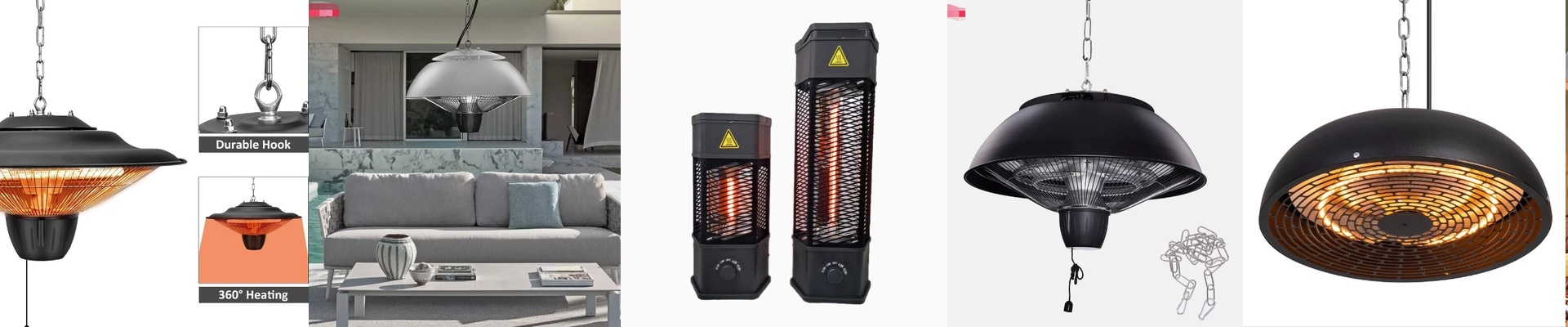
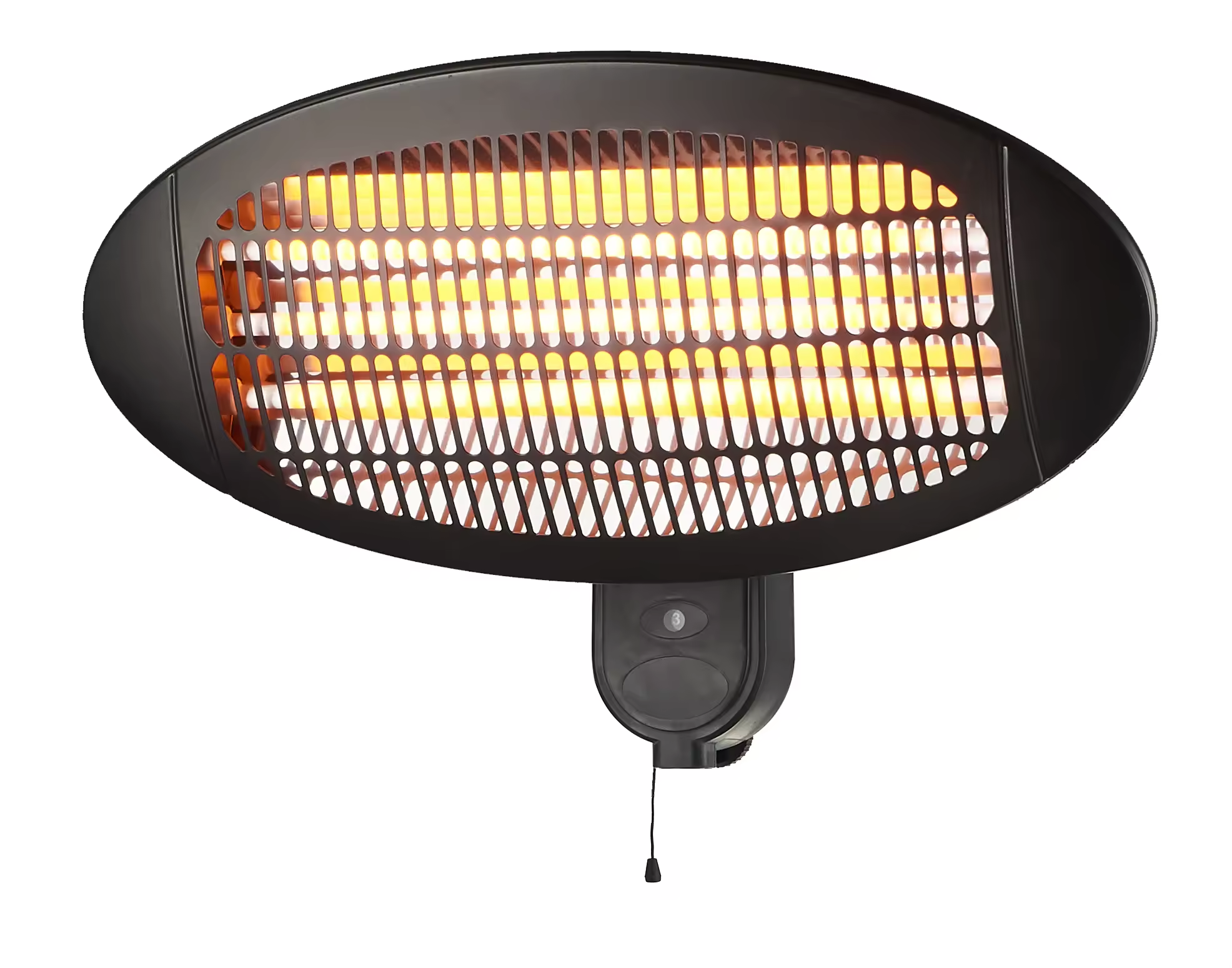
We built this gazebo heater around a carbon fiber infrared element. It hits operating temperature almost instantly, so you feel radiant warmth the second you flip the switch. No heavy thermal mass to preheat, which means the heater can start and stop on a dime—perfect for a smart home control loop. The payoff is precise, responsive comfort without the lag that eats electricity. For outdoor use, it’s a 120V electric heater with sealed components and an IP rating sized for sheltered, covered spaces. It throws directional infrared warmth, heating people and furniture directly, not the air. The thermostat interface plays nice with smart controllers, so the system runs shorter cycles, avoids overshoot, and holds steady comfort right where you feel it.
Why this approach fits a smart home
In a smart setup, every minute of run time matters. Low heat inertia lets the heater hit setpoint fast, then back off cleanly, so the control system isn’t chasing temperature swings. That trims energy use and keeps the gazebo comfortable exactly when you’re using it. You get outdoor evenings that feel warm, not drafty. And it stays quiet—no loud fan, no blasts of air.
The practical details you need
This is an electric infrared heater designed for covered, dry outdoor areas like a gazebo. It’s not meant for exposed rain or open-sided setups without protection. Installation is straightforward, but you’ll need a dedicated outlet. Place it so the beam of warmth reaches seating areas without glare. For best results, pair it with a smart thermostat that supports short-cycle control, and keep the unit on a stable surface with clearance around it.