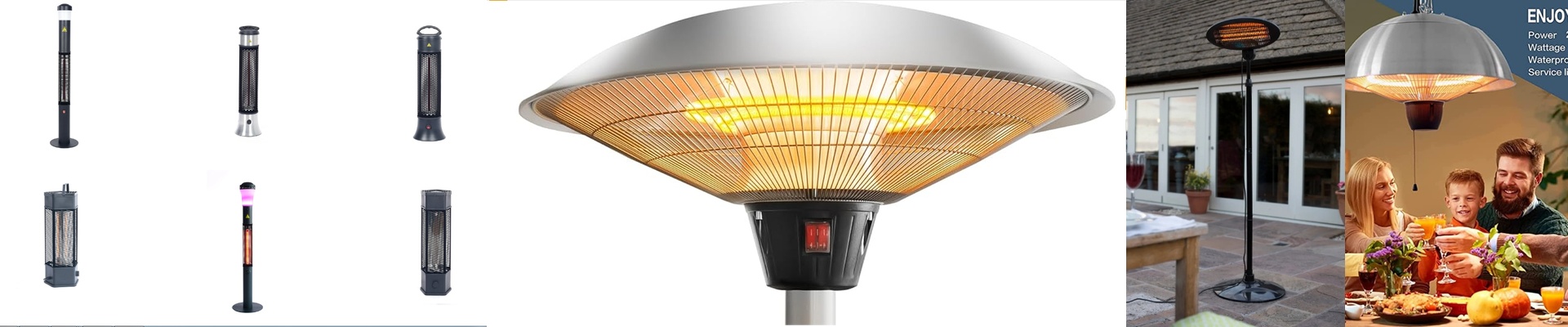
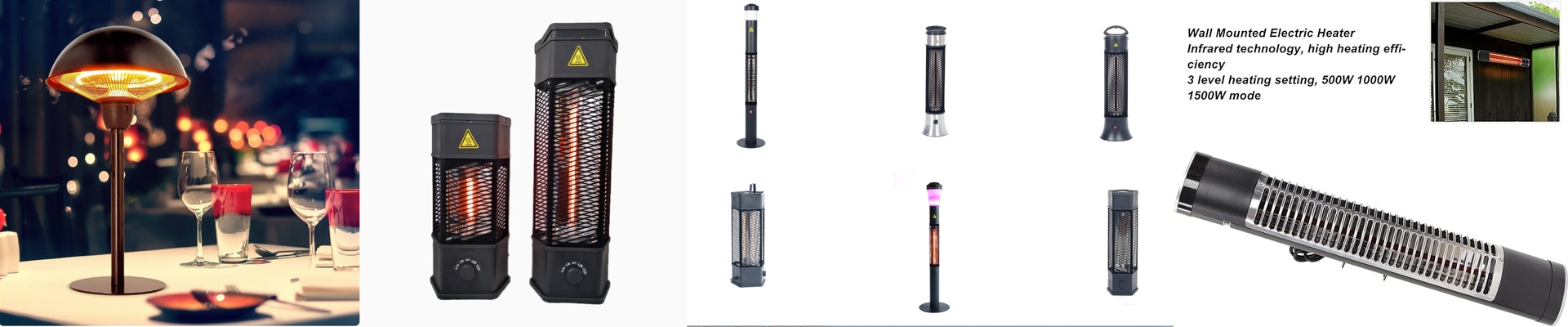

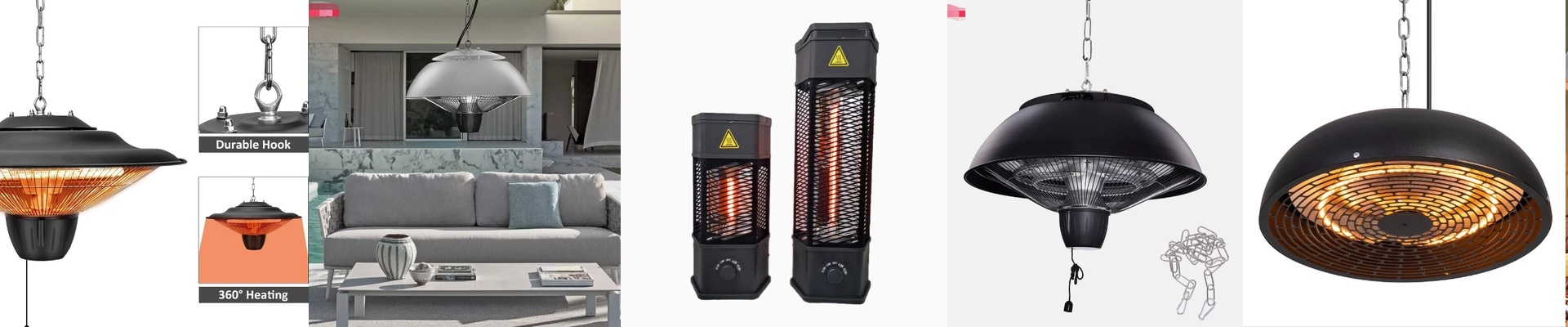
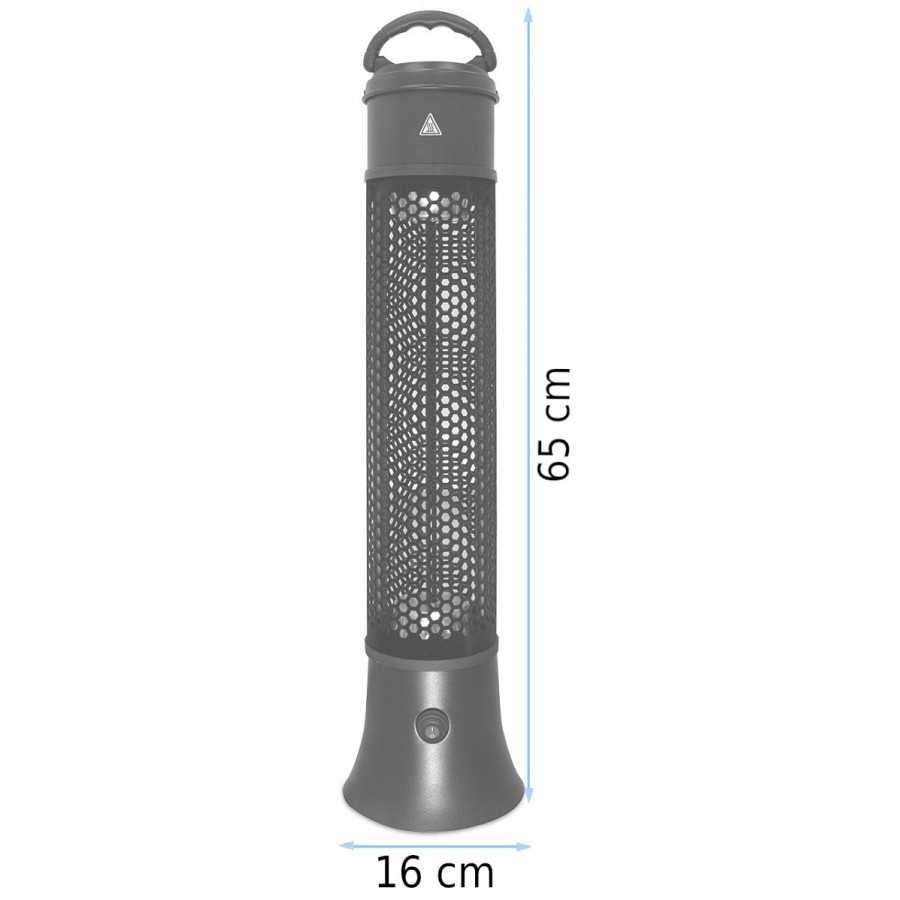
For a lot of older adults, staying warm in winter isn’t just comfort—it’s stability. Forced-air heat can strip moisture from the room and swing temperatures hard, leaving skin and joints feeling stiff. That sudden blast of hot air can also be unsettling if you’re watching cardiovascular comfort. Infrared warmth, especially from a flame-effect heater, shifts the feel of the space because it works like the sun: radiating heat directly to people and surfaces, not to the air.
What matters under the hood
We built this infrared heater around a carbon fiber element, and for good reason—it responds fast and lays out heat evenly. The result is a gentle, deep warmth that penetrates superficial layers and supports circulation without the harsh ups-and-downs of a fan heater. The flame effect uses a quartz tube and LED choreography to deliver a realistic glow, and the unit runs quiet—no fan noise, no drafts. You get 1,500W output with a standard 120V plug, a built-in thermostat to hold steady comfort, and tip-over protection for peace of mind.
Why it lands for seniors
Infrared warmth is often called “bioheat” because it warms the body directly. That encourages blood flow and helps relax tight muscles. For seniors, that can mean fewer aches when it’s cold, calmer nights, and a more stable indoor feel—especially for anyone who spends long hours at home. The flame effect adds a reassuring visual rhythm, making the room feel welcoming without needing an open flame. And the energy goes where it should: into warming the people in the room, not the ceiling.
The practical stuff
Infrared heat only works well when it has a clear line of sight. Position the heater so it reaches the chairs you sit in most, and keep it at least three feet from combustibles. This isn’t whole-house heat like a central system, and it isn’t a medical device. For best results, pair it with a room thermostat and keep humidity in a comfortable range. This is targeted warmth—simple, steady, and easy on sensitive bodies.