


Cold floors and drafts don’t just make winter nights uncomfortable — they keep your body braced and on edge. When the air drops, blood vessels tighten, muscles knot up, and sleep turns restless. A quiet infrared desk heater flips that script by warming you first, not the air around you.
What matters, technically
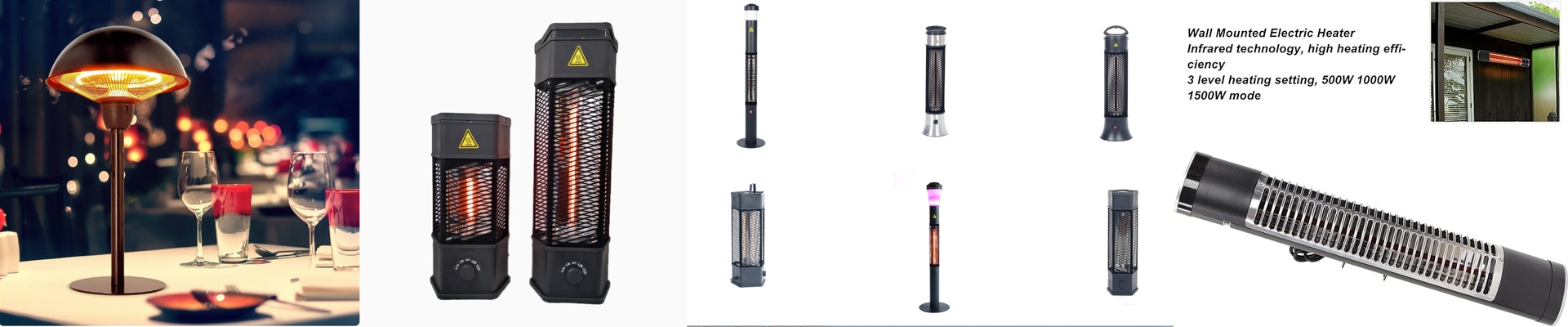
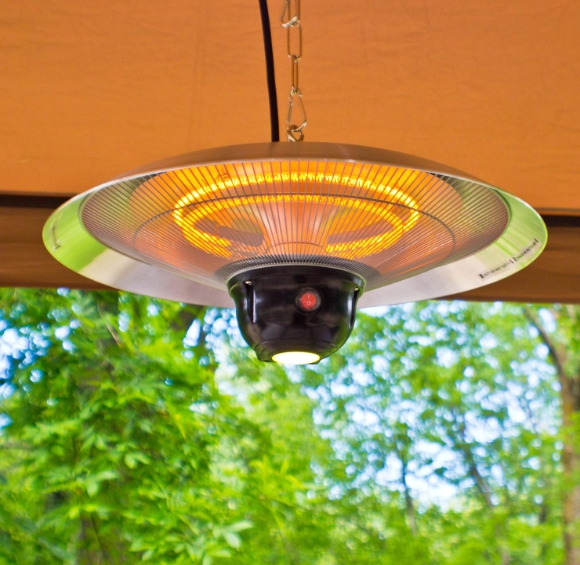
Infrared desk heaters deliver radiant heat, which goes straight from the element to your skin and clothes, the way sunlight warms you on a cool morning. Many compact units run on a carbon fiber element or a quartz tube, putting out gentle, even infrared warmth with almost no moving parts. That simple build is exactly why they can run whisper-quiet — often under 35 dB — so you hear the room, not the machine. Typical models pull 400–800 W, enough to carve out a personal comfort zone at your desk or beside the bed without tripping a standard outlet. A built-in thermostat keeps output steady, and tip-over protection cuts power if the unit gets knocked over.
Why it works in the bedroom
In the bedroom, the point is deeper sleep, not a blast of hot air and noise. Infrared warmth helps loosen tight shoulders and stiff joints, so muscles relax and you settle faster. Because the heat is directional, you feel cozy while the surrounding air stays calm — and that steady environment helps keep your sleep cycle intact. The payoff: fewer awakenings and a more even temperature from head to toe.
The things to get right
Infrared heat is most effective within 2–4 feet, so placement matters. Keep the heater at desk height or a bit lower, aimed toward your torso, and avoid staring straight into it for long stretches. And yes, these units are quiet — but the surfaces do get warm, so give them breathing room.Clearance on all sides matters.