
Engineering Electrical Safety for Damp Environments
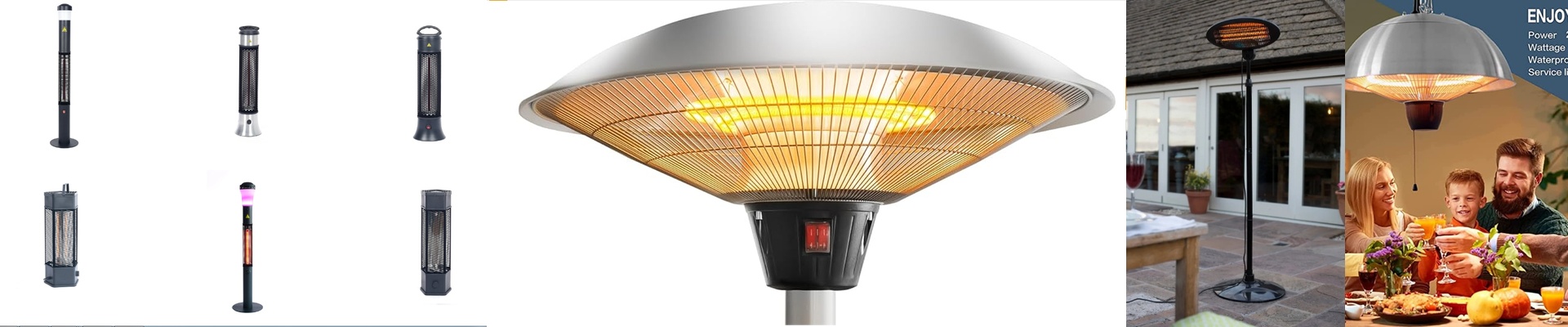
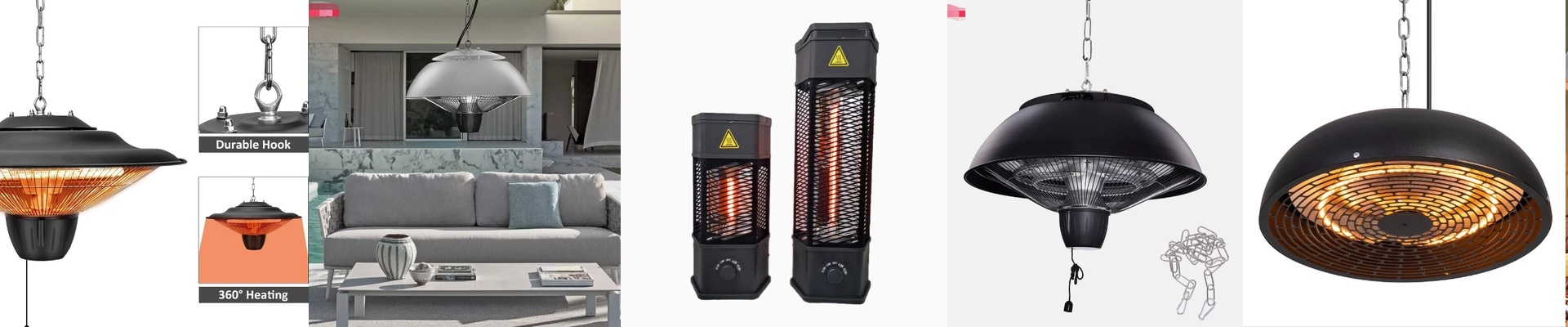
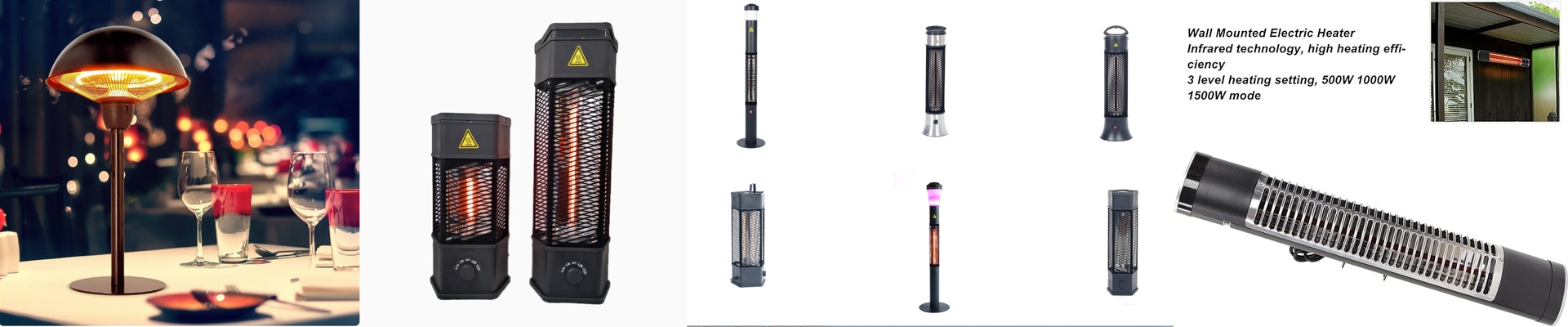
We built this waterproof infrared heater for the places where moisture is a constant problem—like damp bathrooms or livestock coops. The whole challenge? Keeping electricity completely isolated, even when everything around it is wet. So, we made sure the current stays put, completely separated from the environment. Here’s the setup: it runs on 400V with 2500W of power, packed into a 300mm tube. That’s how it throws out intense, focused heat—enough to warm up large areas fast. But with that kind of power, you need serious insulation. The shortwave infrared heats objects directly, not just the air. It’s efficient, wastes less energy, and gets things warm quickly.
Material and Design for a Wet Environment
We used quartz for the tube, not regular glass. Why? Because quartz can handle sudden temperature changes and stays solid even at high heat. Inside, halogen gas keeps the filament clean, which helps the heater last longer and keeps the output steady. The tube is also coated to block water—so splashes and condensation can’t create a path for electrical leaks. Then there’s the R7s base connector. It carries high current, holds tight, and makes wiring straightforward. You connect it once, and it stays secure, even through constant on-off cycles. And the waterproof housing? It adds another layer of defense, keeping the terminals safe from moisture.
Application and Practical Trade-offs
In a bathroom, this heater dries surfaces and keeps the room warm—without risking a short circuit. In a chicken coop, it keeps animals comfortable and prevents frost-related health issues. It’s designed as a drop-in replacement for existing infrared fixtures, so you don’t have to rework the mounting setup. Now, there is a trade-off. With 2500W at 400V, it generates serious heat. That means your circuit protection and cooling need to be properly planned. If the air around it can’t manage the heat, the housing will get hot. So, plan your wiring, fusing, and ventilation carefully. That’s how we make it work—safely and reliably—when water and electricity have to share the same space.