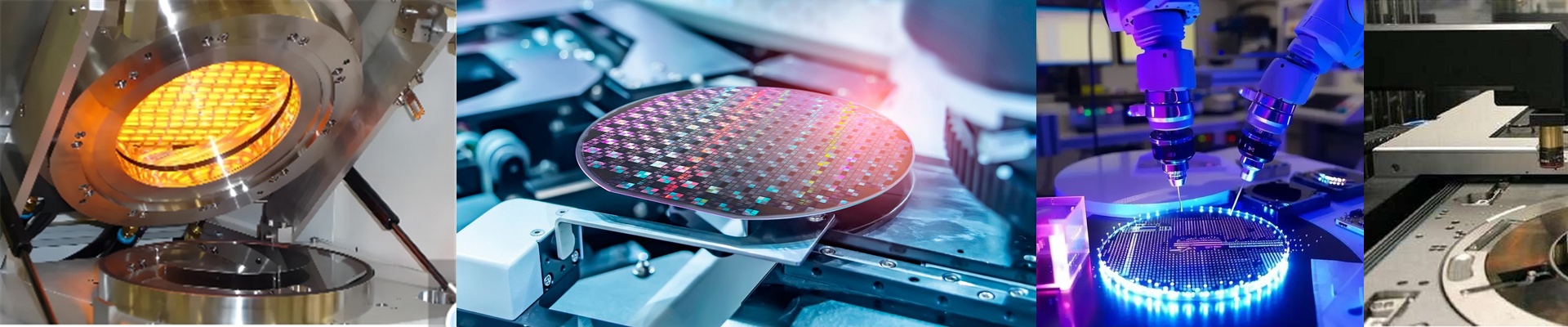

Why we’re all in on infrared for semiconductor curing
Here’s the heart of what we built: get energy to the target, fast—and under control. Infrared halogen does exactly that. It shines heat straight onto the part, skipping the air entirely. No wasted warm-up. No solvents hanging around. Just clean, direct energy. That means you use less power, keep things greener, and meet tough environmental rules without sweating it. The payoff? A process that’s cleaner, quicker, and lighter on your operating budget.
Power where you need it, in a size that fits
We set these heaters up for real-world, day-after-day reliability. A typical unit runs on 400V and pulls 2500W—enough punch to cure epoxies and adhesives in minutes, not hours. The tube is 300mm long, so it slips into tight trolley setups without fighting for space. You get serious output in a small footprint. But yes, it asks something of your electrical setup. Wire it with the right gauge, and make sure your control system can handle the inrush current. Do that, and it just works.
The materials that make it tough—and the quirks you should know
Inside, the halogen element sits in a high-purity quartz envelope. That quartz handles thermal shock without blinking and keeps output steady, shift after shift. We add a reflective coating on the quartz to keep the infrared aimed where it needs to go. Less wasted energy. And your nearby components stay protected. Installation is quick and solid, thanks to R7s connectors. They lock in fast—no tools—and they hold up to shop-floor vibration. Just treat the quartz like a lamp, not a hammer. It’s tough, sure, but it can crack if it gets a hard knock.
On the line, where it counts
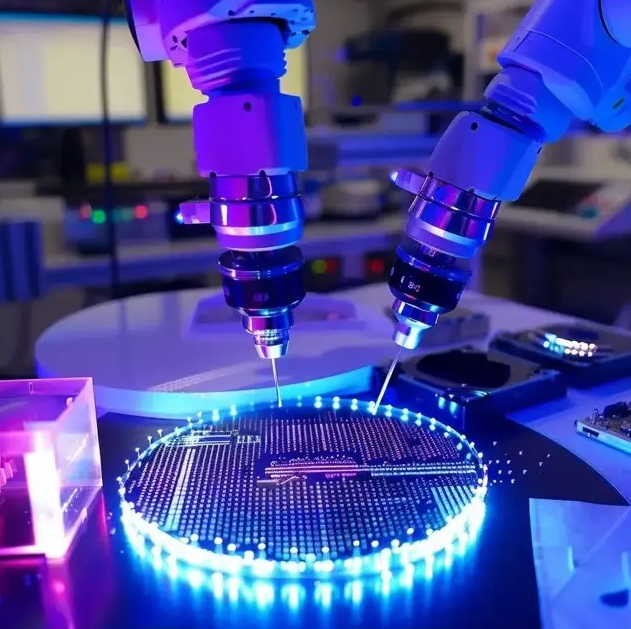
In the clean room, this heater slides in as a straightforward swap for older systems. It cures encapsulants and underfills with steady temperature control, so cycle times shrink and scrap drops. Because the heat is focused, sensitive parts feel less thermal stress. You get results you can count on, again and again. Energy use goes down, and installation takes minutes. One note: this halogen design runs hot and fast. Make sure your cooling setup is up to the job, so ambient heat doesn’t build up where it shouldn’t.
What it all comes down to
Infrared halogen gives semiconductor lines what they really need: power, precision, and reliability—especially for lead-free, eco-efficient curing. It’s the kind of performance you can feel confident about, day in and day out.