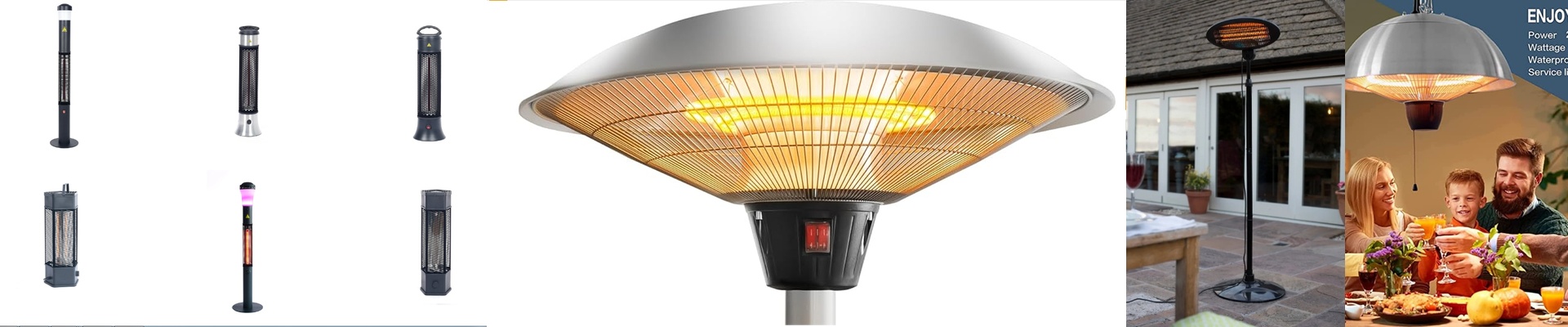
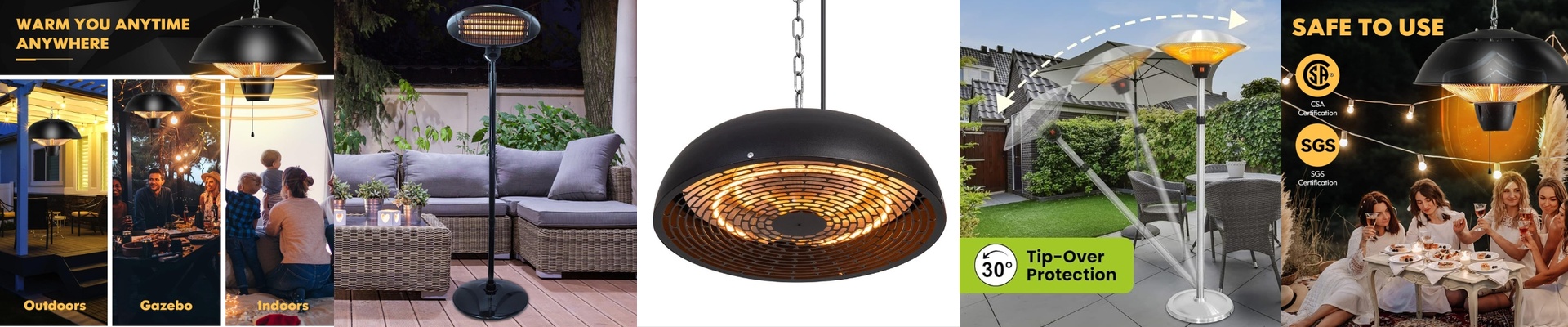

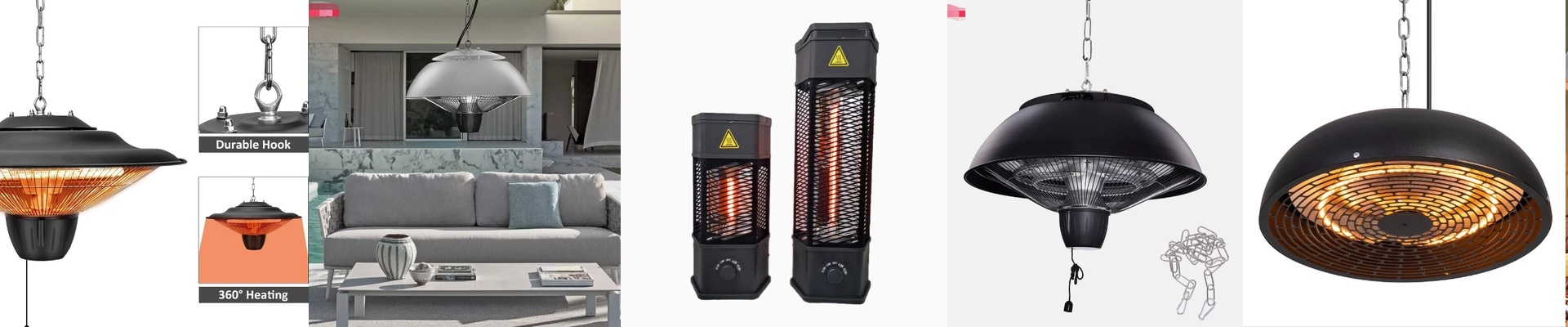
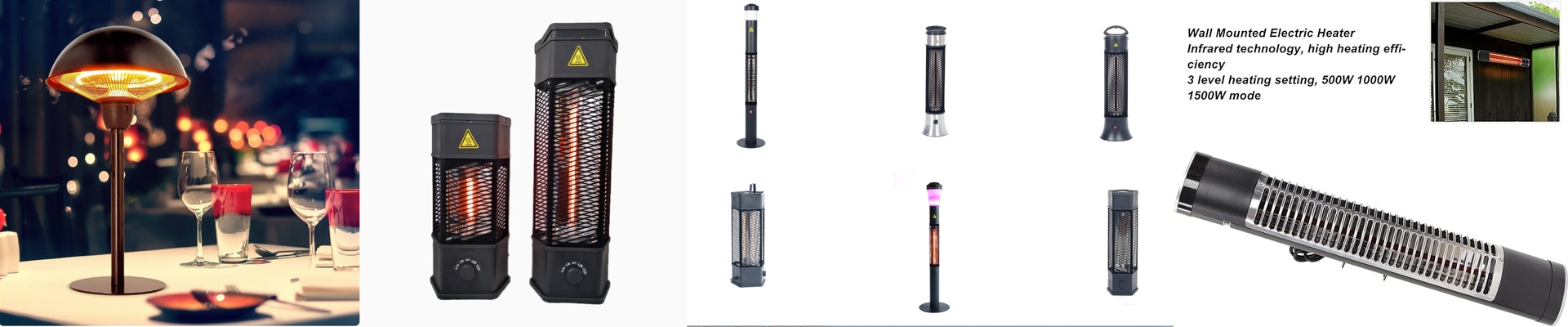
Why Your Bathroom Heater Shouldn’t Blind You
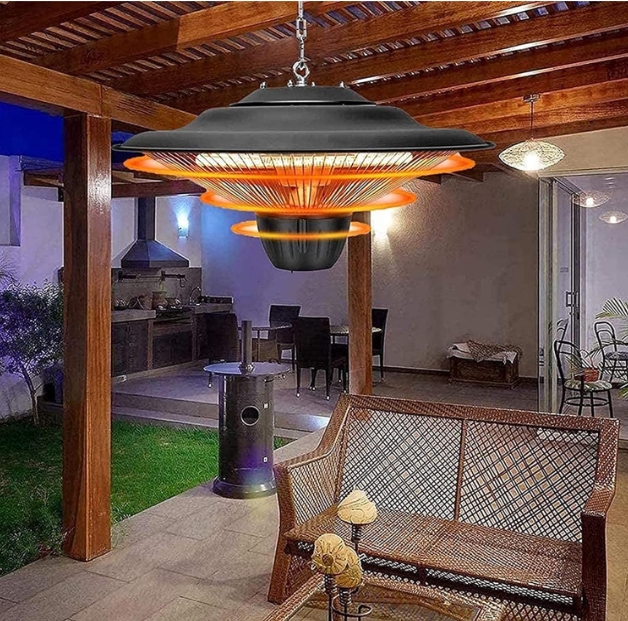
When we’re putting together infrared lamps for bathrooms or outdoor pergolas, the real headache isn’t actually the heat. It’s the light. Most standard short-wave lamps just blast everything at once. It’s a wide spectrum that can seriously strain your eyes. And for babies? Their eyes aren’t fully developed yet, so that kind of glare is a no-go. We have to change how the light behaves. Keeping your eyes safe Here is how we handle it: we use special quartz coatings and specific filaments to block those harsh blue-light peaks. By shifting the energy toward the long-wave or mid-wave range, the lamp gives you all that cozy thermal energy without the blinding flash. It feels like a warm hug for your skin, but your retinas aren’t taking a beating. You get the warmth, minus the “staring into the sun” feeling. Dealing with the steam Bathrooms are honestly a nightmare for electronics. Between the steam and the occasional splash, things corrode or short out fast. To stop that, we wrap everything in IP-rated housings with gaskets that can take the heat. The quartz glass has a tough job, too. It has to go from freezing cold to 500°C in a few seconds without shattering. If those seals aren’t perfect, a tiny bit of moisture hits that white-hot filament and—pop—your lamp is toast. The trade-off Now, there’s a catch. These filtered lamps prioritize safety over raw power. Because we’re filtering out the harsh stuff, you lose that “instant punch” you find in industrial heaters. If you want it to feel just as hot, you’ll probably need to bump up the wattage. And a quick tip: make sure you wire it into a dedicated, moisture-resistant circuit. Nobody wants to be shivering in a towel because they tripped a breaker. It’s all about finding that sweet spot between protecting your eyes and staying warm.