
Stop Heating Your Machine and Start Heating Your Parts
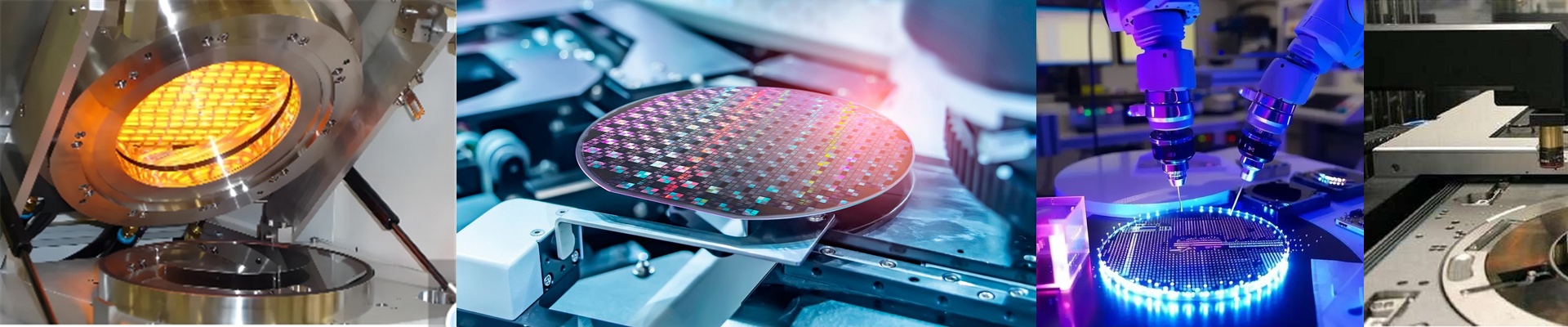
Most infrared heaters just throw heat everywhere. They radiate in a 360-degree circle, which is fine if you’re heating a room, but it’s a nightmare inside a tight semiconductor housing. When heat goes everywhere, it hits the inner walls of your machine instead of the part you actually care about. The result? Scorched chassis panels and a machine that’s dangerously hot to the touch for whoever has to operate it.
How the Gold Reflector Actually Works
We fixed this by pairing a short-wave IR bulb with a high-purity gold reflector. Now, why gold? Because it bounces infrared radiation way better than aluminum or polished steel. By curving that gold surface, we can push the heat into a tight, focused beam. Instead of warming up the air and the machine frame, the heat goes exactly where it belongs:right on the workpiece.
The Trade-offs (Because Nothing is Perfect)
The big win here is that the air inside your equipment stays much cooler. You can crank up the wattage on the bulb without worrying about the system triggering a thermal shutdown or burning an operator who opens an access panel. But there is a catch. Because the beam is so focused, the heat density at the center is intense. If your part is sitting too close to the lamp, you’ll get “hot spots” or localized overheating. You’ve got to be precise about the distance between the bulb and the substrate, or you risk damaging the part.
Getting It on the Floor
For most heating arrays, these lamps are basically a drop-in replacement. Since the gold reflector handles the direction of the heat, you might even find you can scale back your internal cooling fans. Just do yourself a favor and double-check that your wiring is rated for the bulb’s voltage and current. You don’t want your leads burning out during a long run.