
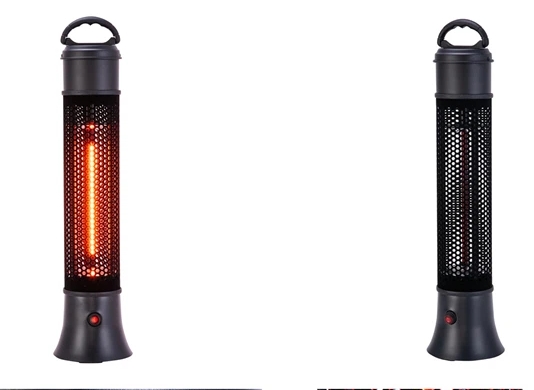
Making Your Outdoor Heaters Actually Smart
We build our infrared heaters to be tough. They’ve got an IP65 rating, which is just a fancy way of saying they won’t freak out or short circuit when it rains or gets dusty. But the real magic happens when you stop flipping a manual switch and let your smart home handle the temperature for you.
Why it feels like instant sunshine
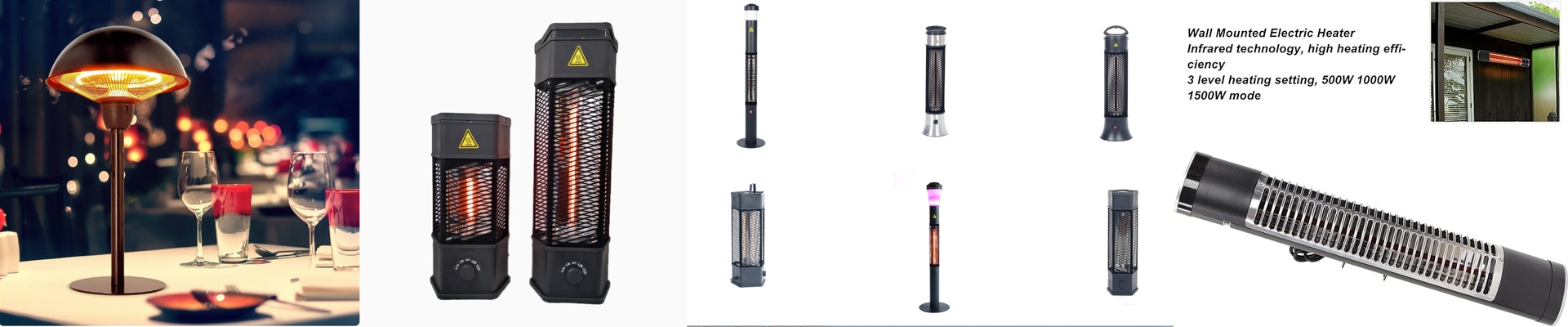
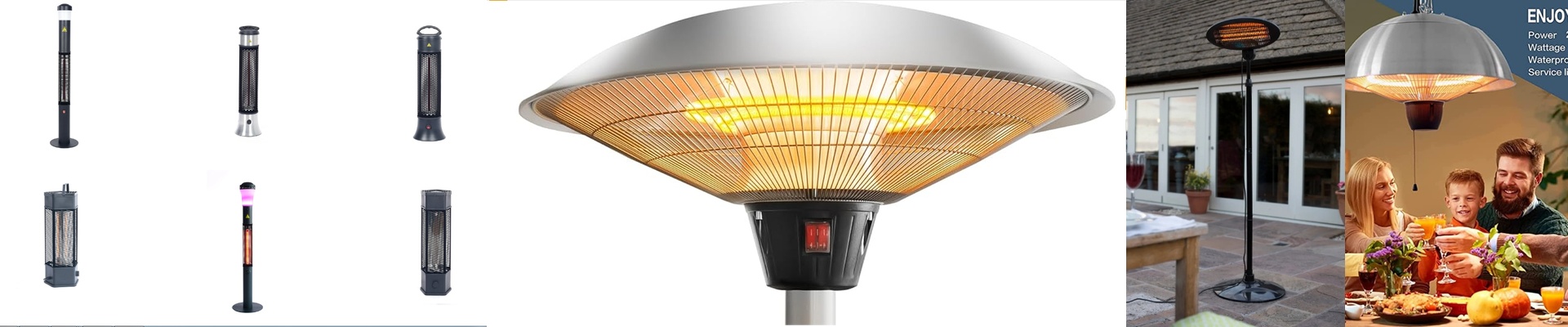
Most heaters try to warm up the air. That’s a losing battle outdoors because the wind just carries the heat away. Our units do things differently. They use short-wave infrared radiation. Think of it like the sun. The heat travels in a straight line and hits you directly. You don’t have to wait for the patio to “warm up.” The second that relay clicks, it feels like you’ve stepped from winter straight into spring. It’s immediate.
Getting the tech right
If you want to control your heat from your phone or a voice command, you’ll need to hook the heater up to a smart relay—something using Zigbee or Matter. But here is a pro tip:don’t just plug a heavy-duty heater into a cheap smart switch. These heaters pull a lot of power. If you’re running a unit over 2kW, use a dedicated power contactor. If you skip that step, you’re basically asking the smart module to carry a load it wasn’t built for, and you’ll likely burn out the internal circuitry. Not a great way to spend a Saturday.
A few things to watch out for
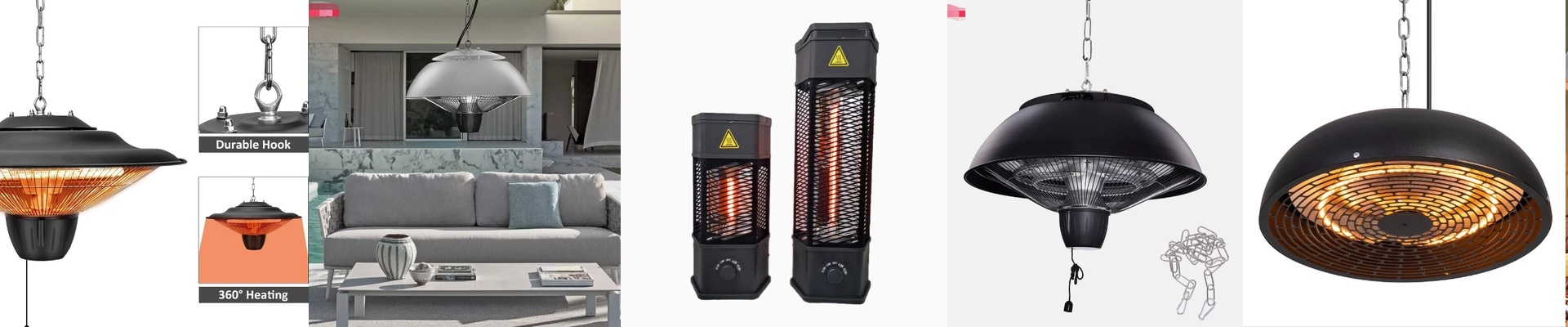
Even though the housing keeps the rain out, it can trap heat inside. If you cram the heater into a tight spot, it’s going to overheat and trip the safety switch. Give the chassis some breathing room so air can move around it. And remember, infrared is “line-of-sight.” If there’s a big pillar or a leafy tree between the heater and your chair, you’re going to be cold. Don’t just look at the total square footage of your deck. Look at where people actually sit, and put the heaters exactly where the warmth needs to land.