
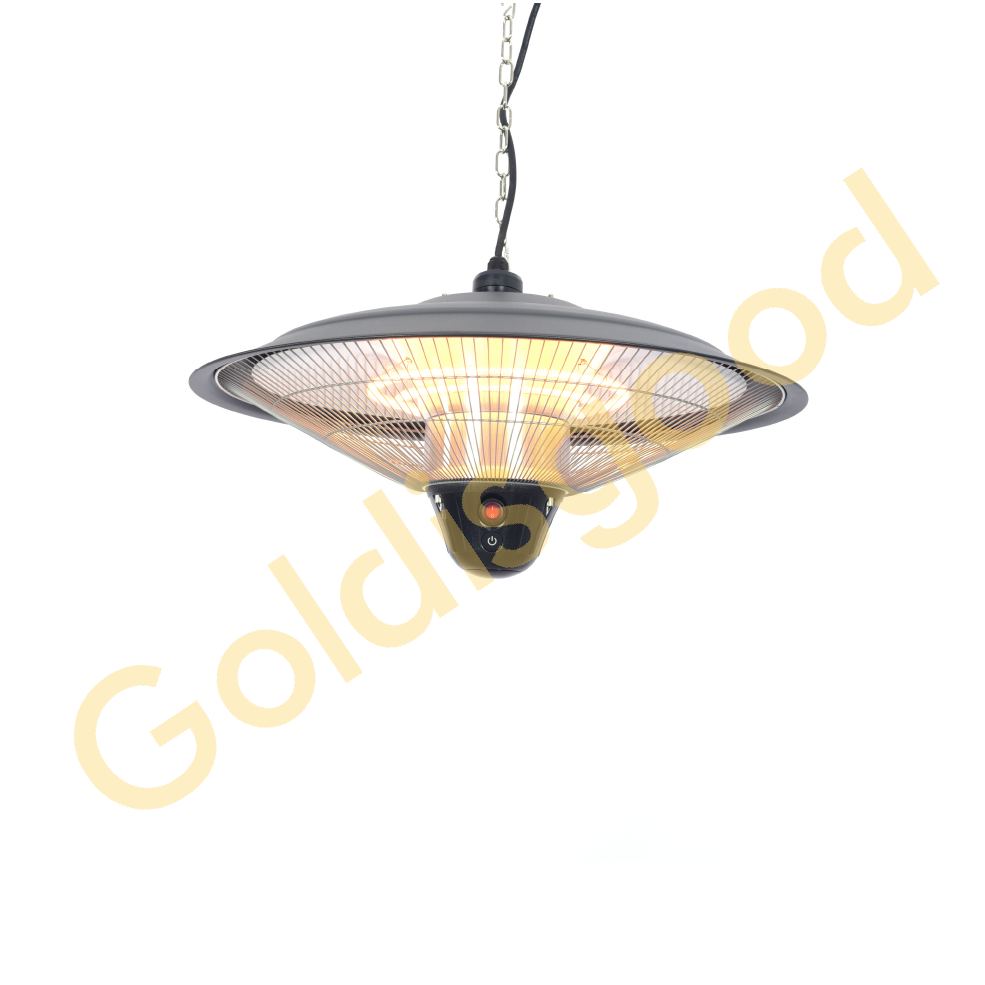
Why we put our bathroom heaters through a “steam torture test”
Let’s be honest: bathrooms are a nightmare for electronics. You’ve got thick steam, wild temperature swings, and water vapor sneaking into every little crack. If a heater isn’t built specifically for that chaos, the seals fail, the internals rust, and the whole thing dies in a few weeks. That’s why we run damp-heat aging tests. We basically try to break our own stuff before it ever reaches your house.
The battle against moisture
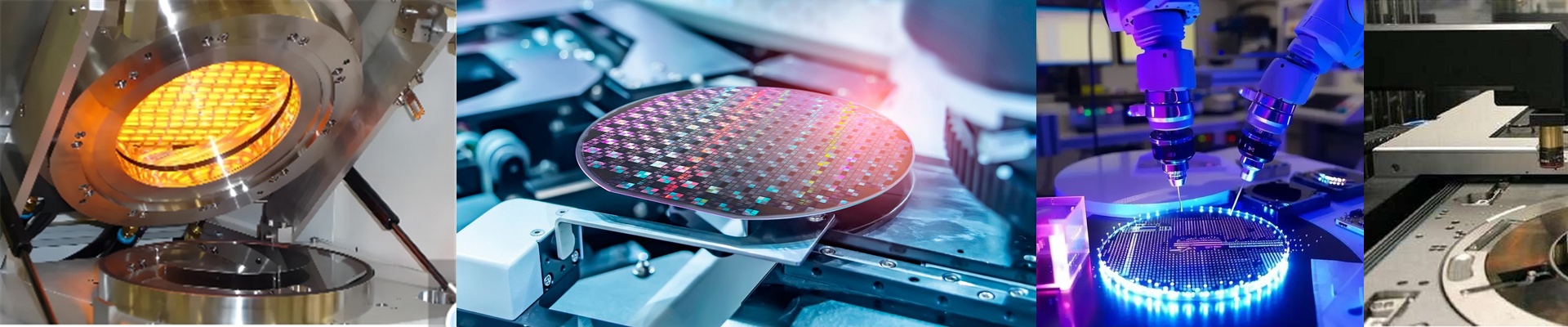
Here is the thing about water vapor: it’s relentless. It finds the tiniest gaps in the housing or the connectors. Once that moisture touches the electrical terminals, you get corrosion. In the industry, we call it “creepage,” but in plain English, it just means the electricity starts jumping where it shouldn’t, and then—pop—you’ve got a short circuit. We don’t just put our lamps in a humid room and hope for the best. We lock them in high-humidity chambers to force the process. We aren’t actually looking for a “pass.” We want to find the exact moment the insulation gives up.
The “breathing” problem
We use high-grade quartz and heavy-duty sealants to keep the wet stuff out. But there’s a catch. Seals expand when they’re hot and shrink when they cool down. When that infrared element kicks in, it creates a vacuum effect. As it cools, it can actually suck moist air right into the guts of the machine. By cycling the temperature over and over in a wet environment, we make sure those seals stay tight. If they leak, the halogen gas escapes or oxygen gets in, and that kills the filament almost instantly.
Finding the sweet spot
You might think, “Just seal it completely! Make it a waterproof brick.” But that creates a new problem. If we seal it too tight, the air can’t move. The internal wiring starts to bake in its own heat. It’s a delicate balance between keeping the steam out and letting the unit breathe so it doesn’t melt its own housing. Our aging tests tell us if we’ve hit that sweet spot. It’s the only way we can be sure you’re getting a heater that survives the steam without cooking itself from the inside out.