Stop Letting Your Patio Go To Waste in Winter
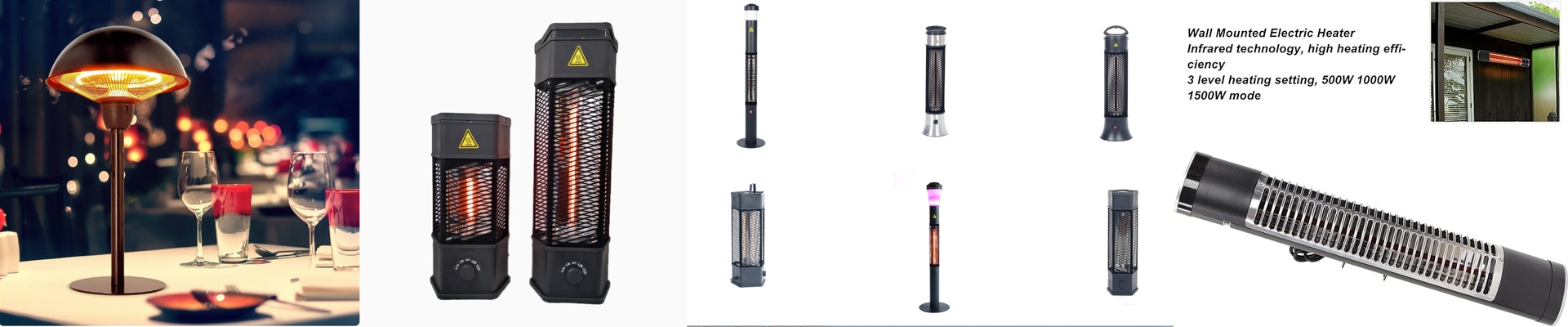
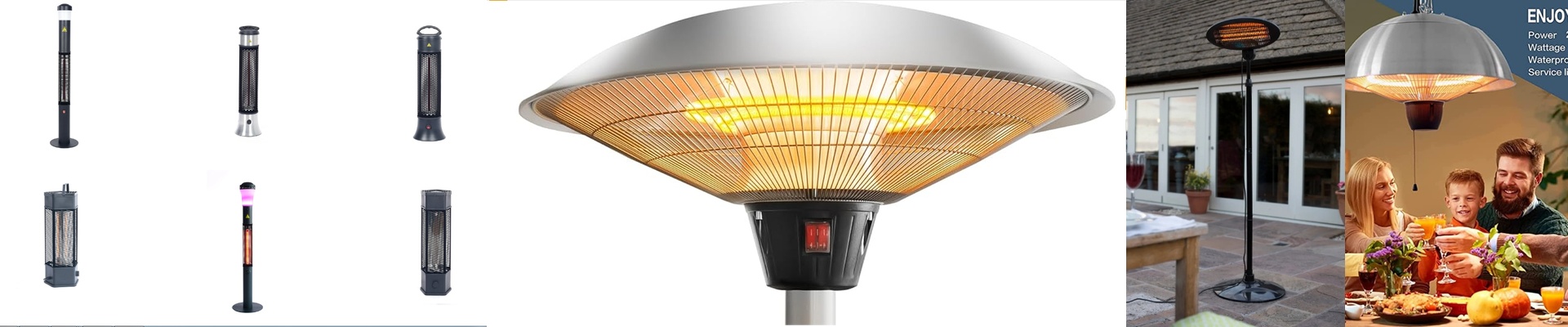
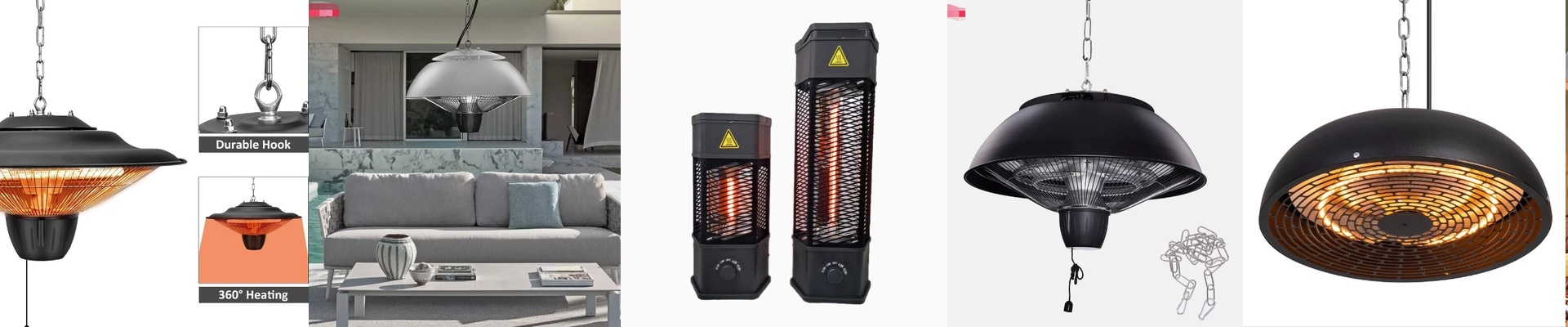
It’s a frustrating sight: a beautiful outdoor dining area sitting completely empty just because it’s November. Most people try to fix this with standard convection heaters, but let’s be honest—they don’t work when there’s a breeze. The wind just blows the heat away before it ever reaches your guests. That’s why we use IP65-rated shortwave infrared heaters. Here is the difference: these units don’t waste time trying to warm up the air. They beam heat directly onto your customers. It feels like sitting in the sun on a spring day, even if it’s freezing outside. When people actually feel warm, they stay longer, order another drink, and—most importantly—they actually want to sit outside.
Built to Handle the Weather
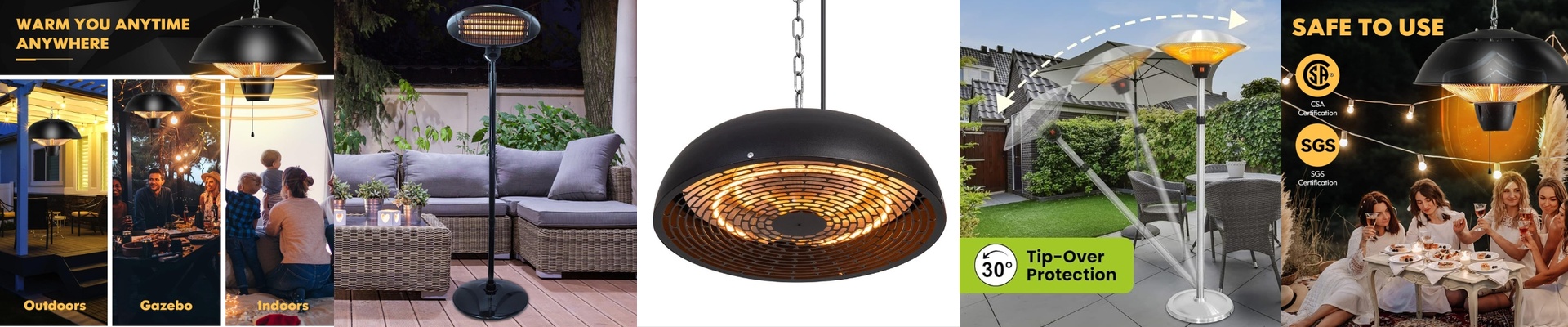
If you’re putting equipment outdoors, it needs to be tough. That’s where the “IP65” part comes in. In plain English? It means these units are sealed tight. Dust can’t get in, and rain or snow won’t cause a short circuit. We build these things to take a beating. Plus, there’s no awkward “warm-up” period. Because they use high-wattage arrays, the heat is instant. The second a guest sits down, they feel it. That immediate comfort is what keeps your tables full and your staff moving.
Getting the Setup Right
If your patio isn’t covered, shortwave is really your only move. Longwave heat just gets swept away by the wind, but shortwave cuts right through the cold to hit its target. But you have to be smart about where you hang them. If they’re too high, the heat thins out and disappears. Too low, and you’re basically baking your guests. We help you figure out the right footprint based on the wattage so you get a nice, even blanket of warmth across the whole zone.
The Money Side of Things
Turning a seasonal patio into a year-round money maker is a huge win. But there is one thing to watch out for: your power bill and your breakers. These units pull a lot of juice. You’ll want to make sure your electrical panel can handle several of these running at once, otherwise, you’re looking at a tripped breaker right in the middle of a Friday night rush. Get the wiring sorted, and the equipment usually pays for itself in a single season just from the extra covers you’ll pull in.