
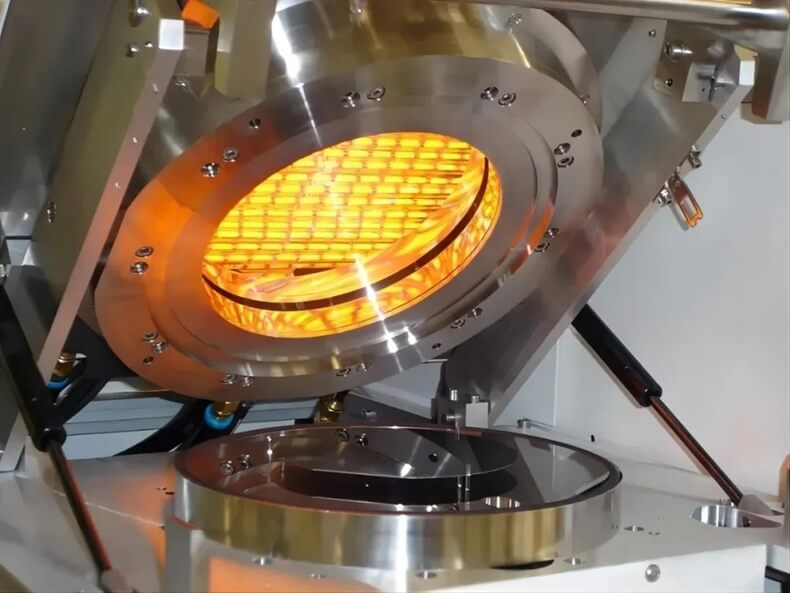
Why we’re switching to IR for lead-free semiconductor drying
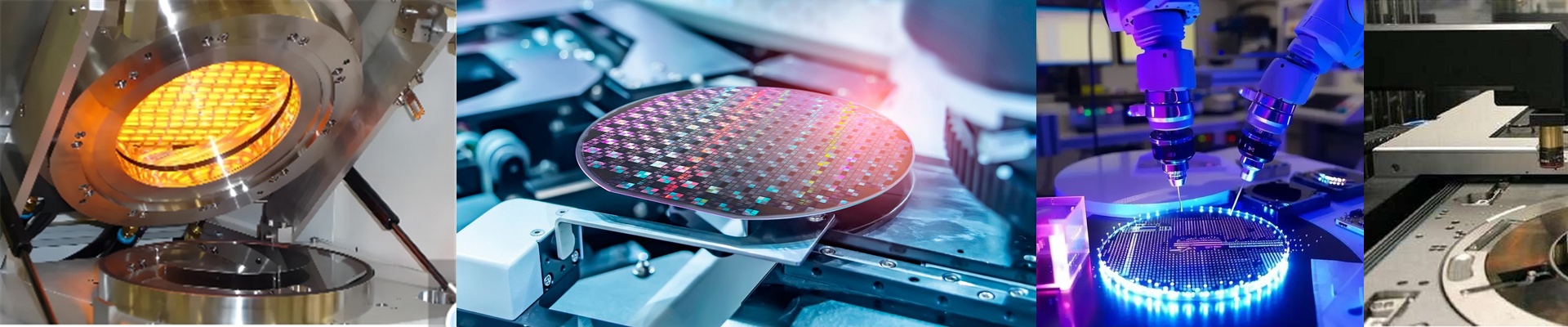
When you’re drying MEMS sensor wafers, you’re playing a dangerous game. You have to get every last drop of water off those tiny, delicate micro-structures without accidentally crushing or warping them. For a long time, people relied on convection ovens or chemicals to get the job done. But the industry is moving toward “Lead-Free and Green” standards, and those old methods just don’t cut it anymore. That’s where short-wave infrared (IR) heating comes in. How it actually works Think about a hot air oven. You have to heat the air, then the chamber, then the carrier, and then finally the water. It’s slow and wasteful. IR is different. It doesn’t mess around with the air. The radiation hits the water molecules on the wafer surface directly. It’s an instant jump in temperature. Because it’s so targeted, we can ditch the solvent-based drying agents and those old lead-based stabilizers. The power bill (and the heat) If you’ve ever run a standard convection oven, you know they’re basically energy hogs. They run 24/7 just to keep the temperature steady. With IR lamps, you only use power when the shutter is open or the lamp pulses. The drop in kWh per wafer is huge. Your electricity bill will thank you. But here is a heads-up: because the heat hits so fast and so hard, you have to watch your wafer clips. If your substrate has a low glass transition temperature, you can’t just blast it. You’ll need to tweak the pulse frequency so you don’t end up with warped wafers. Fitting it into the cleanroom Space is always a premium in a cleanroom. IR systems are way smaller than those massive forced-air tunnels. Plus, there are no blowers. No blowers means no air kicking up dust or particulates, which makes the whole environment a lot safer. It’s a pretty easy swap for those bulky old stations. We’ve made sure these heaters are lead-free from the solder joints all the way up to the quartz envelopes. It makes meeting RoHS and environmental rules a breeze. No hazardous fumes, no wasted energy, and a much cleaner process. It’s just a simpler, smarter way to get to zero emissions.