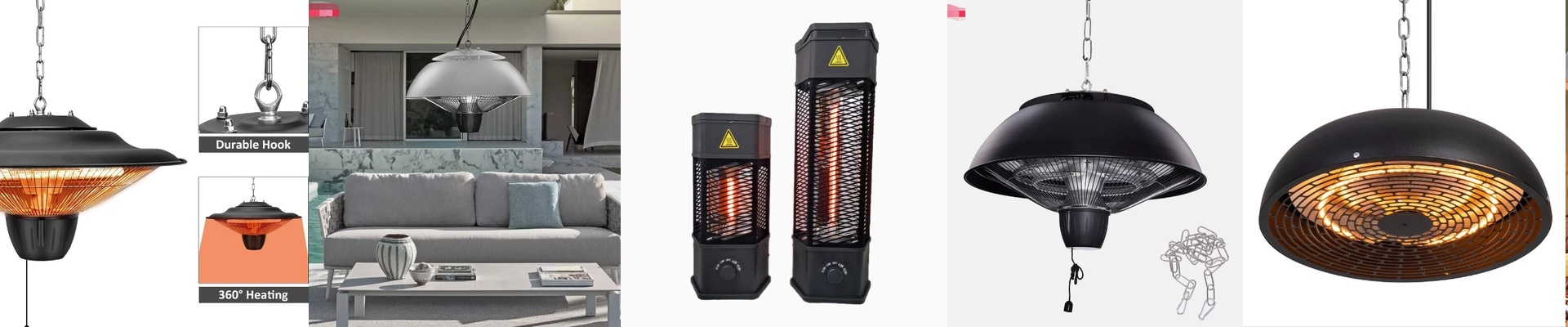
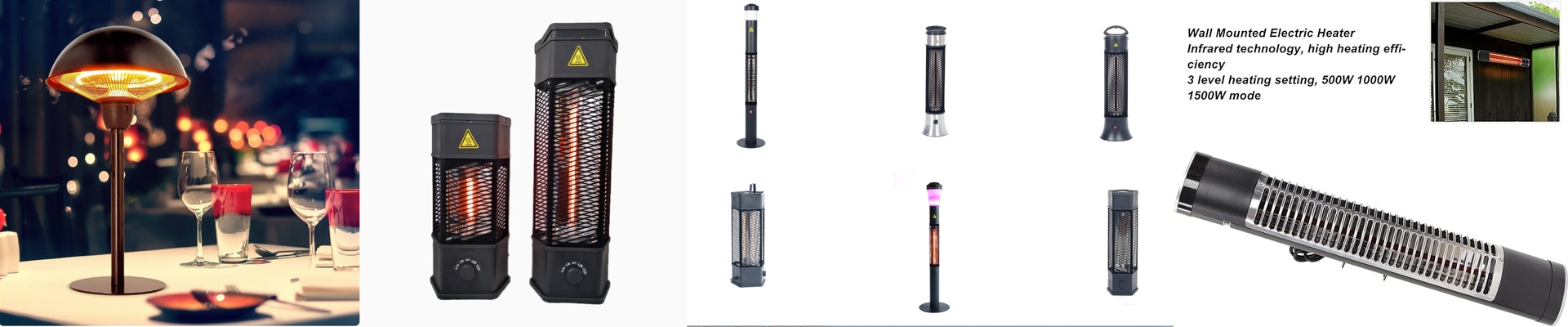


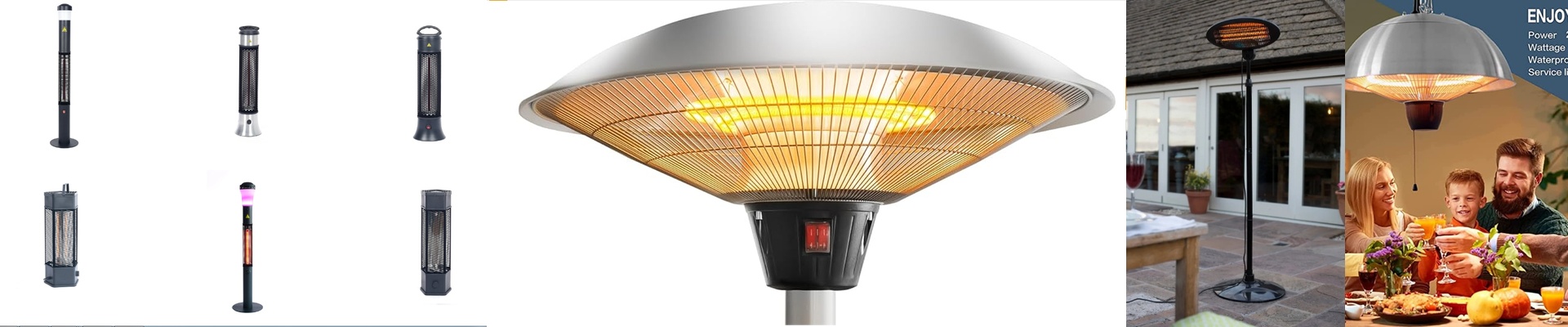
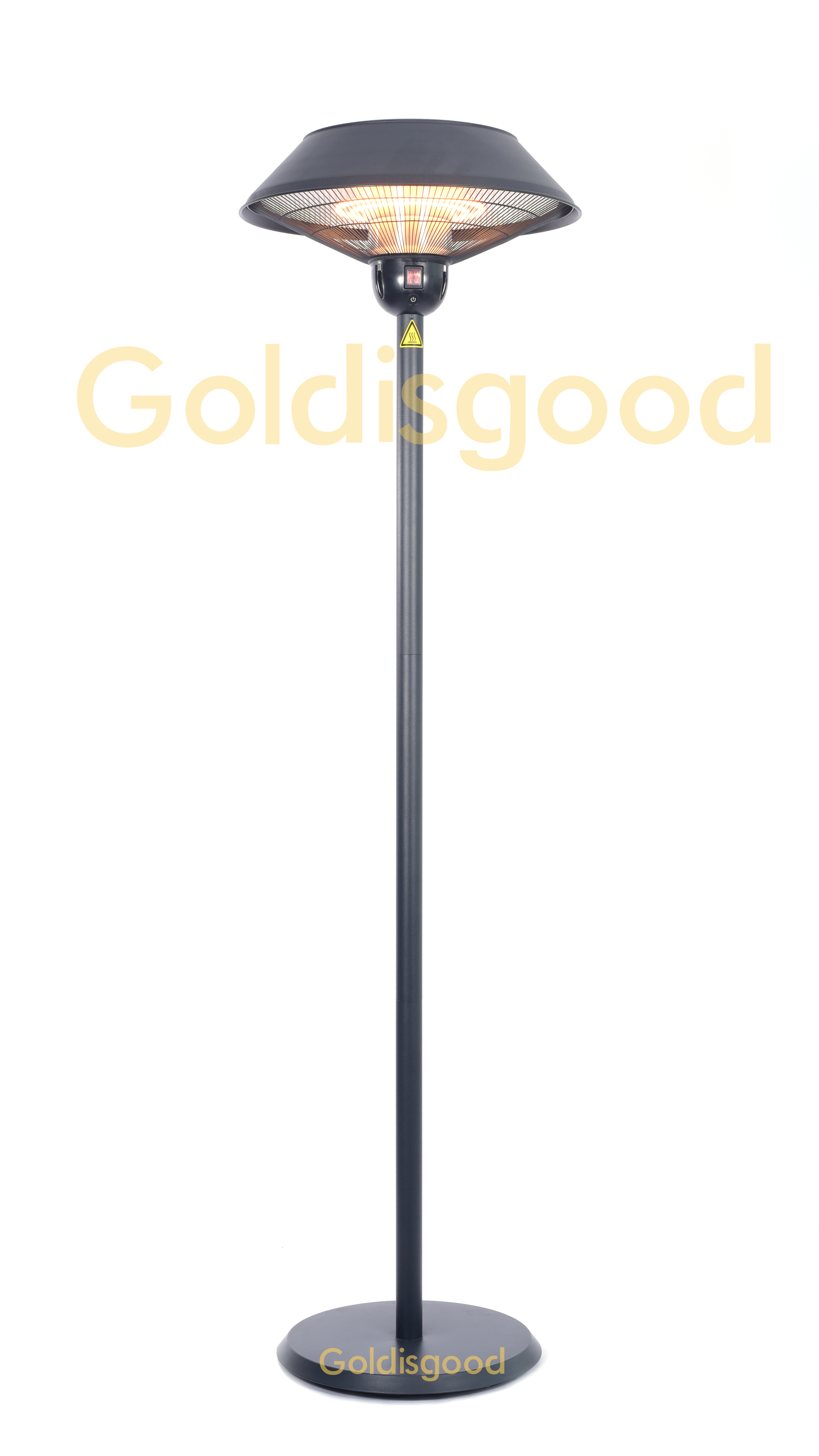
Getting Your Outdoor Heater Heights Right
Picking out a heater isn’t just about checking the wattage on a spec sheet. If you get the distance between the heater and your ceiling wrong, you’re asking for trouble. I’ve seen way too many restaurant owners mount these things either too high or too low. When that happens, your guests are still shivering, even though the heater is running full blast.
The Ceiling Struggle
Here is the thing about infrared heat: it moves in a straight line. If you tuck a heater too close to a low ceiling or a wooden soffit, you end up with a “heat pocket.” It’s a mess. The unit’s internal thermostat thinks the room is boiling and shuts itself off way too early. Or, if you’re unlucky, you’ll actually start charring your ceiling. To keep things safe and efficient, give your heaters some breathing room—usually between 0.5 and 1 meter from the top, depending on how powerful the unit is. But be careful. The higher you go, the wider the heat spreads. That sounds great, but there’s a catch. Every extra foot of height makes the heat feel weaker at the table. You lose that cozy, concentrated warmth that actually makes people want to stay.
Keeping the Tables Full
Let’s be honest: winter usually kills outdoor revenue. But when you get your infrared setup right, the math changes. The goal is to hit the “comfort zone”—basically from the waist up. When guests feel that warmth hitting their shoulders, they’ll linger over another bottle of wine or a dessert. It keeps them happy, but it also helps the flow of the evening. I usually suggest zoning the area. Put the heavy hitters (2000W to 3000W) in the high-traffic walkways and stick to the 1500W units directly over the tables.
The Boring (But Important) Electrical Stuff
Don’t forget about your power. If you’re hanging ten 2kW heaters, you’re pulling 20kW of power. That’s a lot. Your breaker panel has to be able to handle that load. If you’re updating an old patio, there’s a good chance the existing wiring will just give up. If you’re in that situation, try using staggered timers. It stops the system from hitting your electrical grid with one massive spike the second you flip the switch.