

Why You Actually Need Explosion-Proof Quartz in Your Bathroom Heater
Bathrooms are a nightmare for heating elements. Think about it: you’ve got a tube glowing at a few hundred degrees, and then—bam—a stray drop of cold water hits it. With basic quartz glass, that’s a disaster. The glass can’t handle the shock, it cracks, and your filament burns out instantly. It’s a mess.
The Secret to the Glass
That’s why we use explosion-proof quartz. It isn’t just “tougher” glass. It’s specifically made to take those wild temperature swings without giving up. When that cold water hits the hot surface, the material just absorbs the stress instead of shattering. It’s basically your safety net. If a cheap tube pops, you’re dealing with glass shards and electrical shorts in a room full of water. Nobody wants that.
Heat That Actually Works
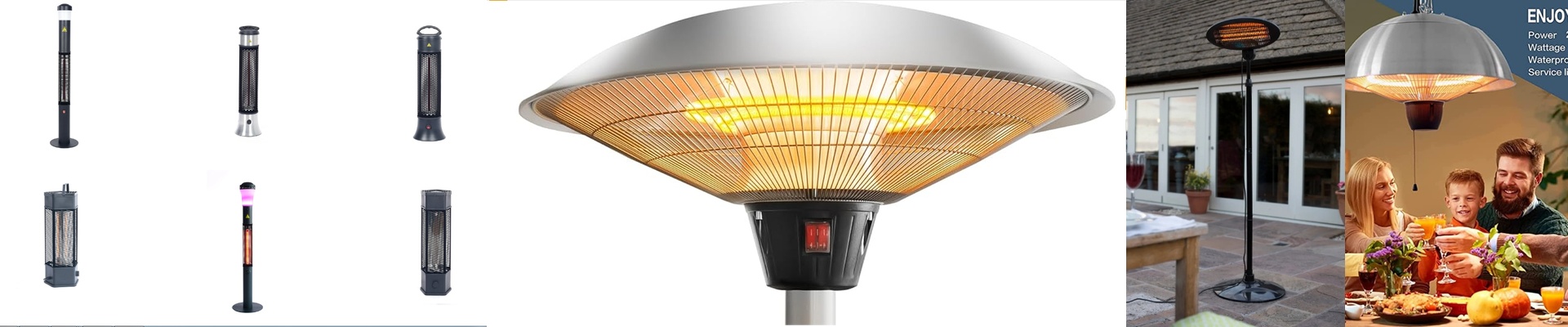
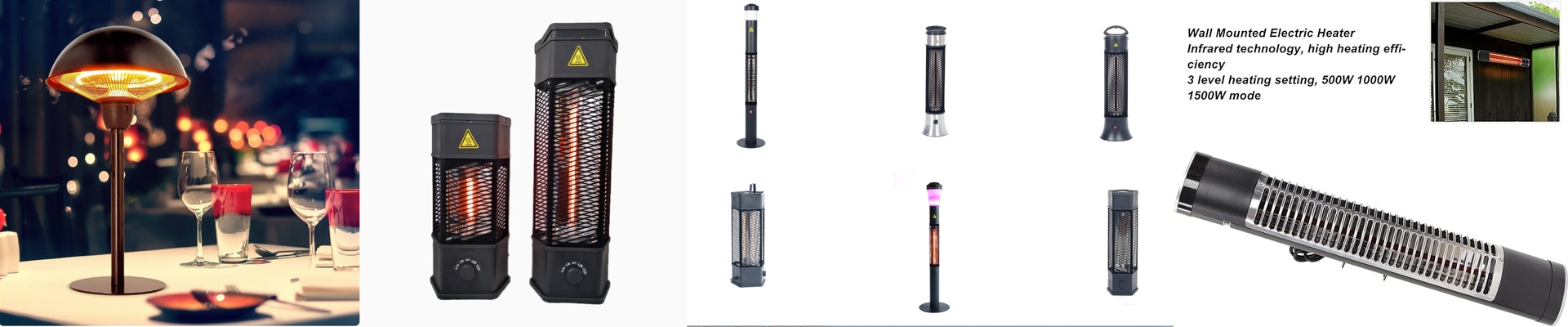
Most of these heaters use short-wave infrared. The cool thing about this is that the heat cuts right through the steam and humidity. It doesn’t get lost in the air; it hits your skin directly. We usually go with high-wattage filaments because, let’s be honest, nobody wants to wait ten minutes for a bathroom to warm up. We want it cozy in under 60 seconds. But here’s the catch: all that heat puts a lot of pressure on the rest of the unit. Even if the tube is bulletproof, the reflectors and plastic casing have to be able to take the heat. If you cheap out on the housing, the tube will be fine, but the rest of the fixture might literally melt.
Keeping It Running
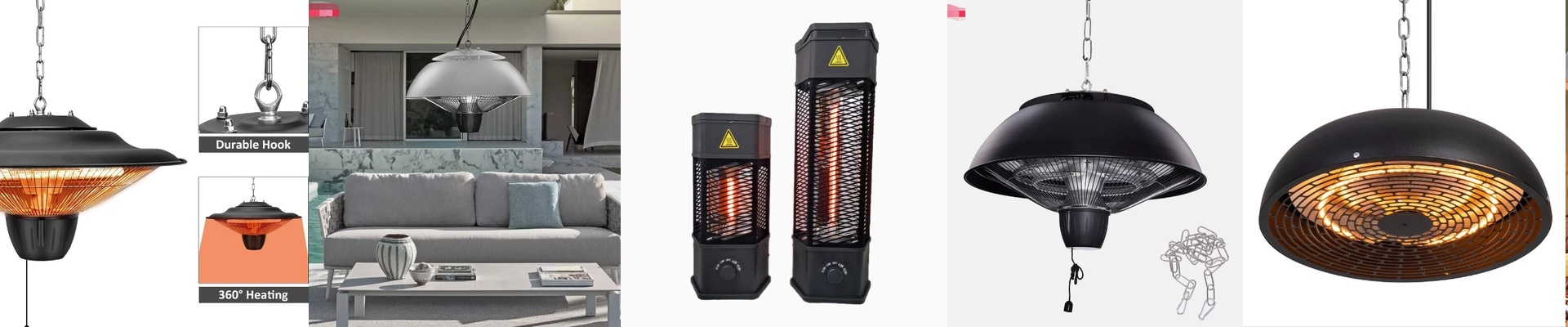
Replacing these is pretty straightforward—they’re designed to be drop-in swaps. We use standard connectors so you can get a new tube in there quickly. Just one tip:make sure your seals are tight. It doesn’t matter how tough the quartz is if moisture leaks into the electrical terminals. That leads to corrosion, and that’s where things start to fail. Keep the wiring dry, and your heater will last a long time.