
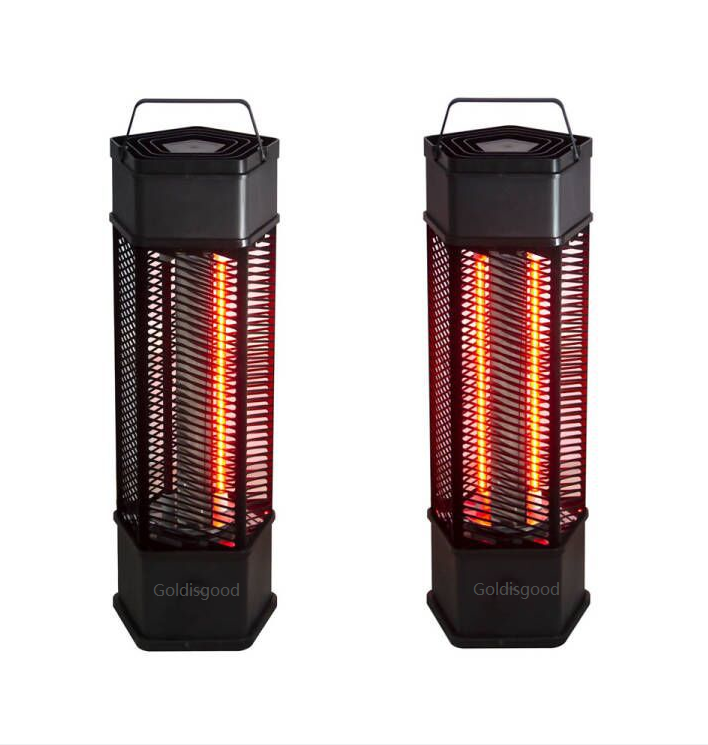
Stop Fighting Your Ceilings: A Better Way to Heat Industrial Spaces
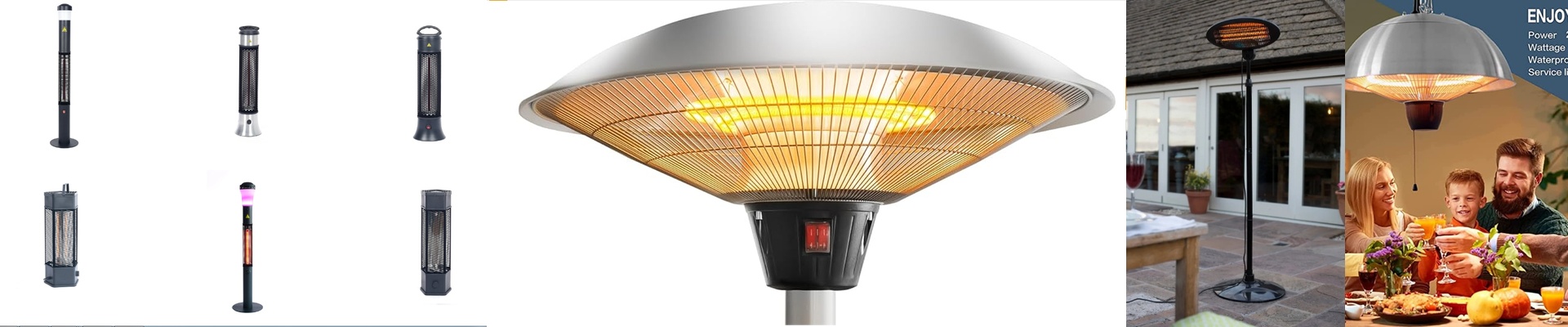
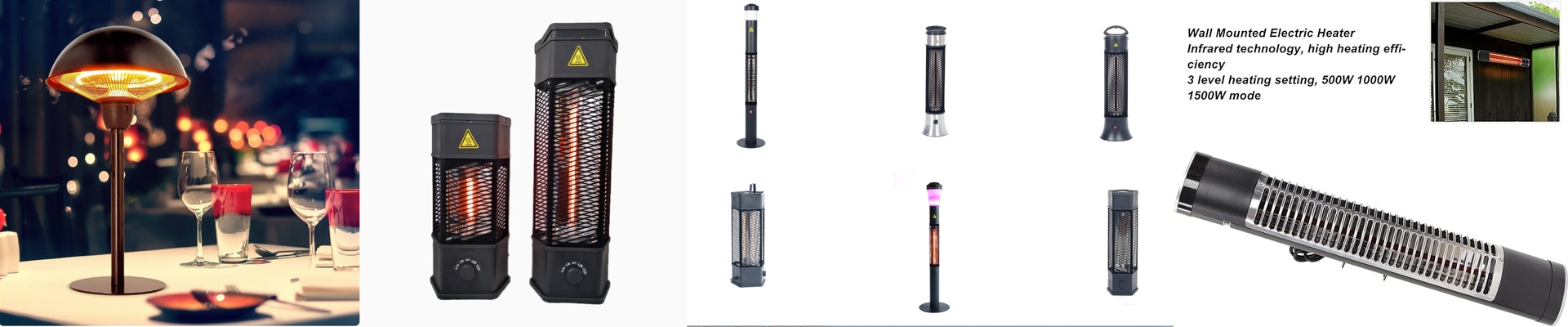
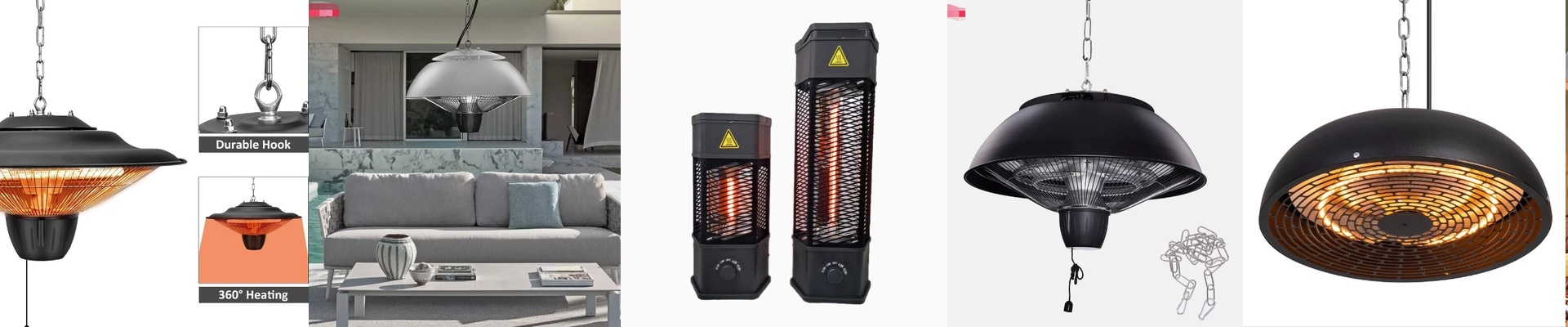
If you’ve ever tried to heat a factory changing room with high ceilings, you know the struggle. You crank up the heat, the blowers roar, and… nothing. The warm air just floats up to the ceiling and stays there, while your team is still shivering on the floor. It’s a waste of money and a headache for everyone. Here is how we actually fix it. Skip the air entirely. Instead of trying to warm up every cubic inch of air in the room, we use shortwave infrared (IR) radiators. Think of it like the sun. The sun doesn’t heat the atmosphere to keep you warm; it beams heat directly onto your skin. That’s exactly what these units do. They send heat in a straight line from the ceiling down to the people standing below. It happens almost instantly. No waiting an hour for the room to “warm up”—you feel it the second you step under the beam. The power side of things Now, distance is the enemy here. If your ceilings are 5 meters high, you can’t just use a standard heater. The heat fades as it travels, so we use high-wattage quartz-halogen tubes. These things run hot and push out shorter wavelengths. The benefit? The heat cuts right through the chill and penetrates deeper into the body. Plus, if there’s a draft or a door opening and closing, the heat doesn’t just blow away. It stays locked on the target. The “Gotchas” (What to watch out for) You can’t just plug these in and hope for the best. There are a few things that can trip you up. First, these units pull a lot of power. If your electrical panel is old or your cabling is thin, you’re going to be tripping breakers all day. Make sure your gear can handle the peak load before you flip the switch. Then there’s the “shadow” problem. Infrared needs a clear line of sight. If you put a giant locker or a piece of machinery right under a radiator, that spot is going to stay freezing. We usually map out the room first, overlapping the heat zones so there aren’t any weird cold pockets. One last thing: these units get seriously hot. Keep them far away from anything flammable. You want your workers warm, not a fire drill.