

Why we’re swapping hot air for IR lamps in the fab
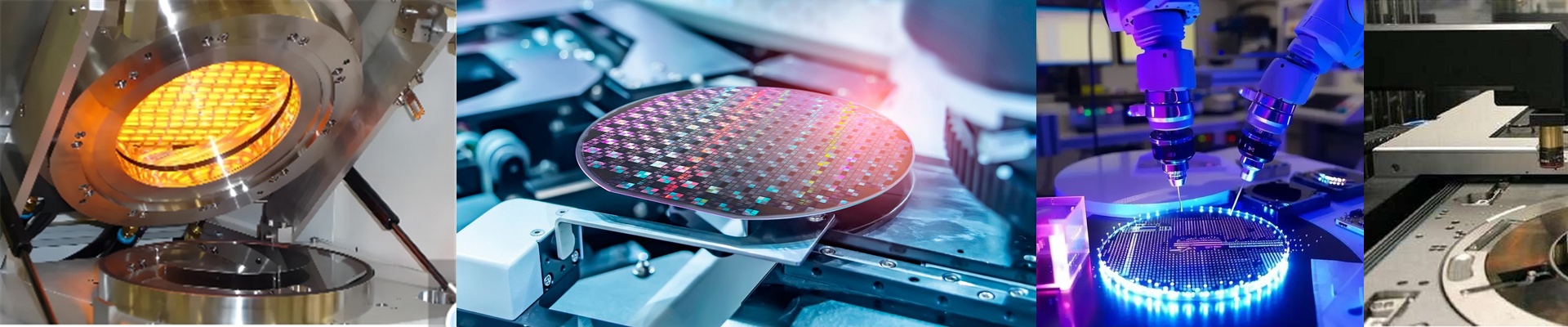
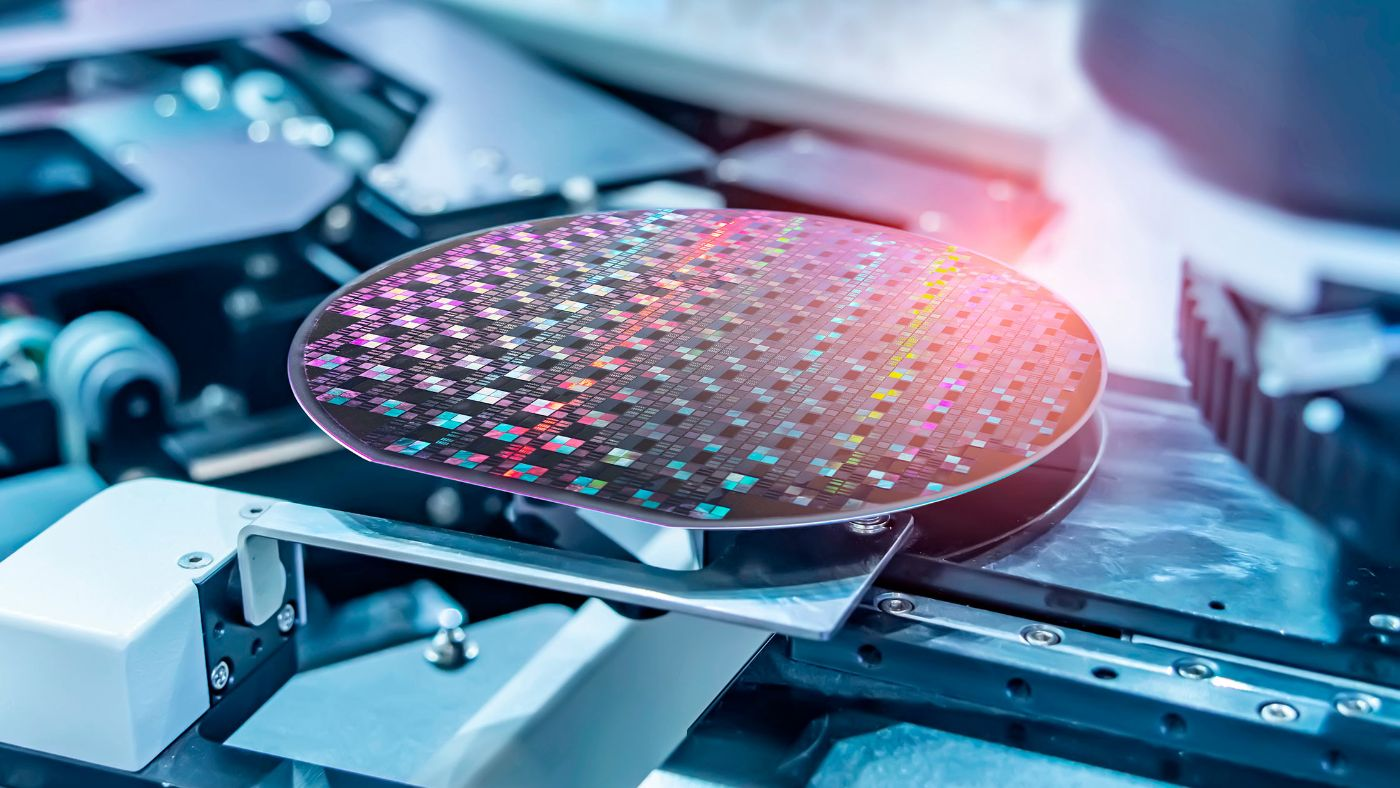
If you’ve spent any time in semiconductor processing, you know the drill with hot air ovens. You turn them on, you wait, and you wait some more. It feels like you’re heating up an entire room just to warm up a single plate. That’s why so many of us are moving toward certified infrared (IR) curing lamps. It comes down to how the heat actually moves. Hot air is all about convection—you have to heat the air, then the oven walls, and then finally the workpiece. It’s a slow process. IR is different. It’s radiant energy. It doesn’t mess around with the air in between; it just hits the target directly. The frustration of “dead time” Forced air systems have a lot of thermal inertia. That’s a fancy way of saying they take forever to get going. When you’re ramping up a convection oven, you’re losing minutes—sometimes hours—just waiting for the chamber to stabilize. In a high-volume fab, that’s just wasted time. IR lamps cut out the middleman. We can target the specific absorption band of the substrate or the curing agent. Suddenly, a cycle that used to take hours happens in seconds or minutes. It’s a massive relief for the workflow. Getting the heat where it matters We spec these lamps for high heat density. The problem with air ovens is that they heat the surface and then rely on slow conduction to get the heat into the core. It’s like trying to thaw a frozen steak by putting it in a warm room. Shortwave or medium-wave IR actually penetrates the material. This means the curing happens all the way through the layer, not just on the skin. You get a uniform result without having to bake your entire machine just to get the job done. The catch: It’s a bit aggressive Now, IR isn’t a magic wand. It’s fast, but it’s powerful. Because the energy transfer is so direct, it’s easy to overshoot your temperature if your PID controllers aren’t dialed in perfectly. You can’t just “set it and forget it” like you do with a convection oven. You have to be precise with your distance gaps and use sensors that react fast. If you aren’t careful, you’ll scorch the wafer. Plus, you’ve got to make sure your cooling system can handle those rapid heat spikes. If it can’t, you’ll start seeing thermal drift in the equipment sitting right next to it. It takes a bit more finesse, but the time you save makes it worth the effort.