

Stop Wasting Your Power: A Better Way to Handle Fab Lamps
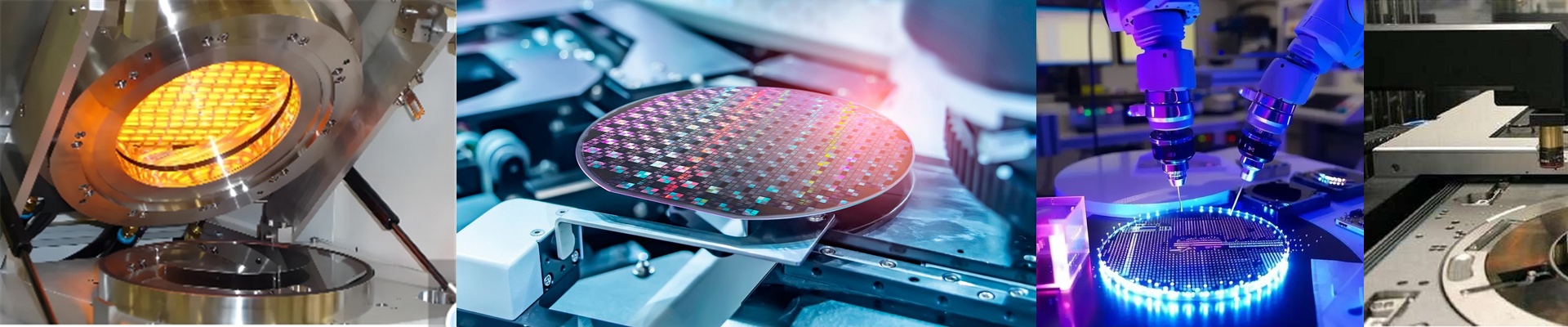
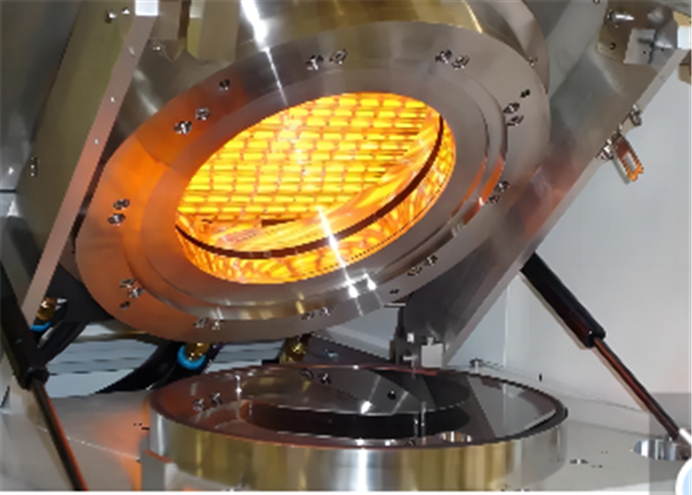
In a semiconductor fab, wasting wattage is basically just throwing money away. When you’re running those high-power lamps for wafer processing, a lot of that infrared energy doesn’t actually hit the target. Instead, it just bounces backward or scatters into the void. To fix this, we use gold-coated quartz shields. Think of them as a way to herd every single watt of energy exactly where it needs to go: straight onto the wafer. Why gold? Standard quartz is fine, but it doesn’t really “steer” the heat. By adding a thin layer of high-purity gold, we create a surface that pushes infrared radiation forward. Gold just does a better job of reflecting the IR spectrum than silver or aluminum. The best part? You get a much higher heat density on your target without having to crank up the voltage and stress your lamps. Dealing with the heat These lamps get incredibly hot. If you use cheap glass, the shield is going to crack the second you hit full power. That’s why we stick with high-grade quartz—it can take the thermal shock without flinching. Plus, the gold coating keeps the heat from soaking into the lamp housing, which keeps your hardware safer and your process more efficient. But here’s the catch: you’ve got to keep these things spotless. If the surface gets dirty or oxidized, you’ll end up with “cold spots” on your wafer. And in this business, uneven processing is a nightmare. A few things to keep in mind Adding a shield does make the lamp assembly a bit bulkier. Just double-check that your chassis has enough breathing room for the new geometry. Also, a quick word of warning for the maintenance team: gold is soft. If someone goes in there with an abrasive scrubbing pad, they’ll strip the coating right off and kill your efficiency in one go. Stick to a soft, lint-free cloth and the right solvents. It takes a second longer, but it keeps the reflection perfect.