
Stop Wasting Your IR Energy
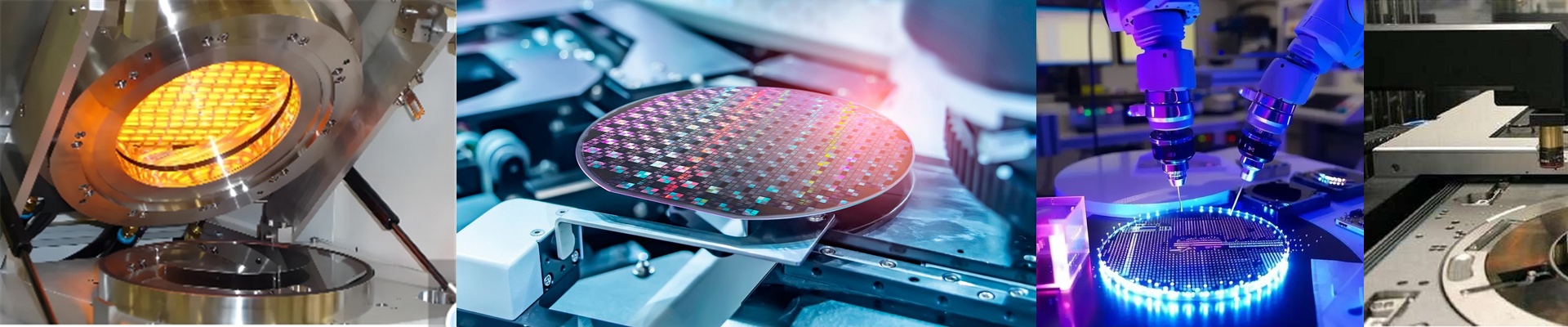
Let’s be honest: wasting energy is basically a design flaw. In wafer processing, we see it all the time. Most people stick with standard aluminum reflectors, but the problem is that a lot of that IR energy just leaks out or gets soaked up by the housing. It’s a waste. That’s why we use gold-coated reflectors. Gold is just better at bouncing infrared light. Instead of your machine frame getting hot for no reason, those watts actually land where they belong—on the wafer.
Why gold beats polished aluminum
Most shops use polished aluminum because it’s the baseline. It works, but it struggles as the wavelength gets longer. Gold is different. It catches a much higher percentage of that long-wave IR radiation coming off the lamp. By layering gold onto the reflector, we can squeeze that energy into a tight, focused beam. You get way more heat density on your target without having to crank up the wattage and stress your system.
A word on the heat
Here’s the catch. When you concentrate energy that tightly, your lamp temperature is going to jump. You’ve got to make sure your cooling can handle the heat that doesn’t make it through the aperture. If your airflow is lagging, you’re looking at burnt-out filaments way sooner than you’d like. To keep things stable across the whole wafer, we usually pair these reflectors with high-wattage quartz lamps. It just keeps the thermal profile from going haywire.
Getting it running
The good news? Swapping these in is pretty simple. It’s usually just a drop-in replacement of the reflector assembly. No need to mess with your wiring or tear apart the power supply. But—and this is important—recalibrate your PID controllers. Because the gold coating is so much more efficient at transferring heat, your old setpoints will probably overshoot. You’ll want to dial back the power a bit so you don’t accidentally fry your substrate.