
Why We Switched to IR Curing for Fab Drying
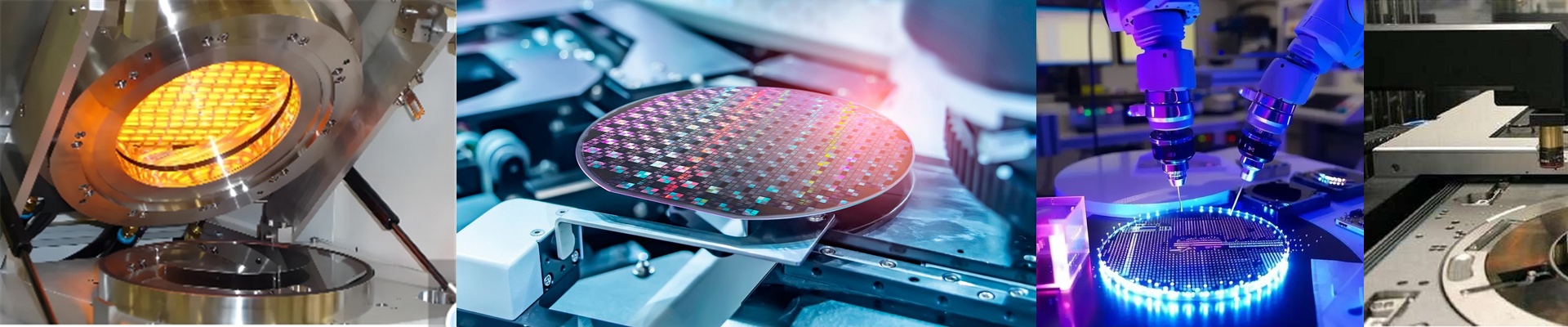
When you’re running a fab, the pressure to stay “green” and lead-free isn’t just about checking a box for an audit—it’s about actually making the process cleaner. For a long time, we relied on those massive convection ovens. But here’s the problem: heating up huge volumes of air is a waste of energy. Plus, all that moving air is basically a conveyor belt for dust and particulates, which is the last thing you want near your wafers. That’s why we moved to infrared (IR) curing. It lets us skip the air entirely. It’s all about the energy transfer. Instead of warming up the whole room, IR lamps send electromagnetic radiation straight to the wafer. Think of it like standing in the sun on a cold day; you feel the heat instantly, even if the air around you is freezing. The energy goes right into vibrating the molecules in the photoresist or solvent. Because it’s so direct, you don’t have to keep giant heating elements humming for hours just to hit a certain temperature. It ramps up fast. Really fast. And that slashes the energy footprint for every single wafer that goes through. Keeping things clean and green. Meeting environmental specs is a lot simpler when you strip away the junk. IR systems run on electricity. No combustion gases, no lead-based alloys in the heating elements—nothing messy. We call it a “dry” process. You don’t need a cocktail of chemicals just to move heat from point A to point B. It just works. The tricky part (the engineering trade-offs). Now, it’s not just “plug and play.” If you crank the intensity too high, you run into “skinning.” That’s when the surface dries too quickly and traps solvents underneath. You end up with bubbles or peeling, which is a nightmare for yield. The secret is in the wavelength. You use shortwave when you need raw speed, and medium-wave when you need the heat to actually penetrate deeper into the material. And a pro tip: don’t skimp on the cooling fans for the lamp housings. If those housings get too hot, your lamps will burn out way faster than they should. The best part? You can finally get rid of those bulky ovens. You replace a giant room-hog with a compact curing tunnel. You get your “green” certification, you save space, and your throughput stays exactly where it needs to be.