

Why We’re Swapping Hot Air for Infrared in the Clean Room
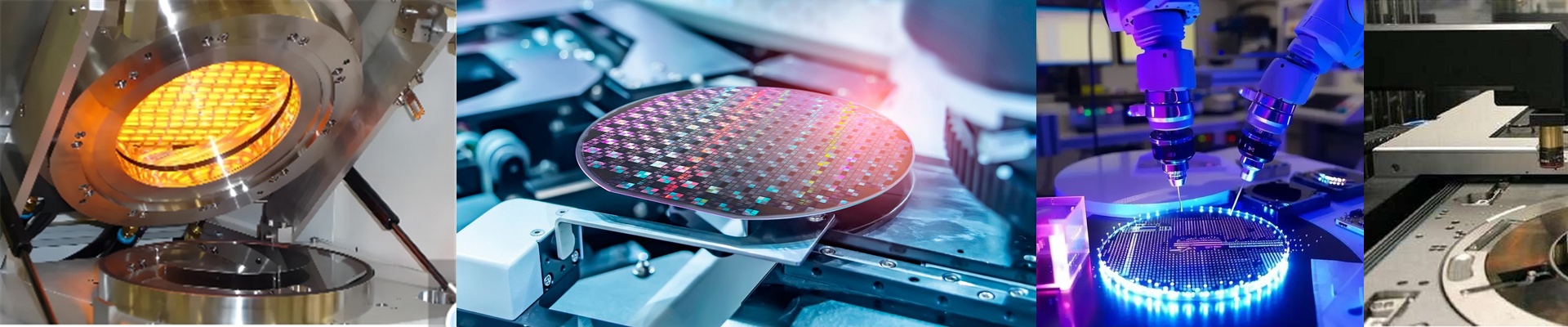
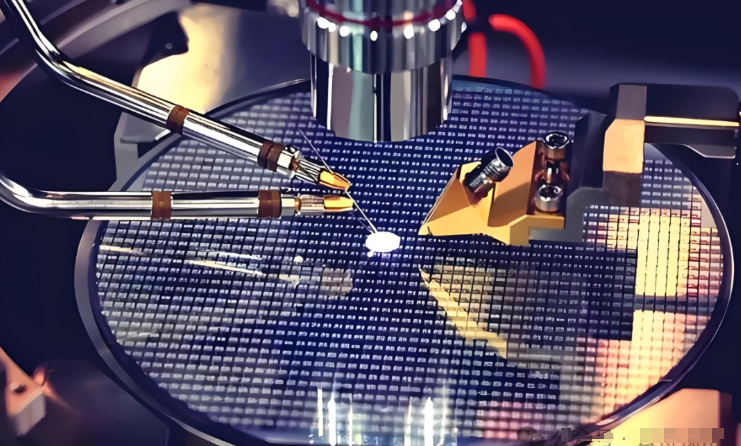
When you’re deep in semiconductor processing, everything comes down to one thing:time. If you’re still relying on forced air for curing, drying, or degassing, you’ve probably felt that frustration when the oven just can’t keep up with the queue. That’s why so many of us are moving toward infrared (IR) heating. Here is the real-world difference. Traditional ovens work by heating the air, and then hoping that air heats your part. It’s a slow process. There’s this annoying “thermal lag” where the heat has to fight its way through a boundary layer before it actually hits the workpiece. It’s like trying to warm up a room with a space heater—you’re waiting forever for the air to move. IR is different. It doesn’t care about the air. It sends electromagnetic radiation straight into the target. In a clean room, this is a huge win. You aren’t blasting massive gusts of hot air across a delicate wafer, which means way fewer particles dancing around and a much lower risk of contamination. Plus, you don’t have to sit around waiting for the oven cavity to “stabilize.” You just turn it on and go. The speed is honestly the best part. We’ve seen soak times drop by 50% to 80%. Because the material absorbs the heat directly, you hit your target temperature almost instantly. It lets you push way more volume through your line without having to knock down walls to make room for more equipment. But look, IR isn’t a magic fix for everything. It only works if the lamp can “see” the part. If you’re dealing with weird shapes or deep pockets, you’ll run into shadowing. The rays can’t bend around corners, so some spots stay cold while others get blasted. To fix that, you’ll need to get creative—maybe a multi-bank array or a rotating fixture to make sure every inch gets hit. And a word of caution: IR is intense. Since the heat hits so fast, your sensors need to be dialed in perfectly. If they’re too slow, you might overshoot your temp and fry your substrate before you even realize what happened.