Designing for the Long Haul: The Truth About Infrared Heaters
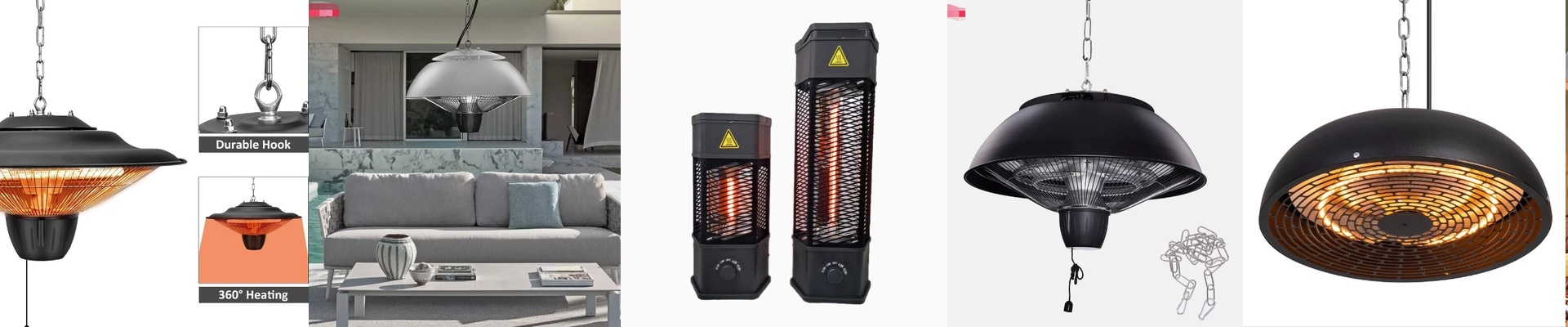
Most patio heaters look exactly the same when you first pull them out of the box. But the real story starts about five years down the road, usually right when a heating element decides to quit on you. That’s where things usually go south. Most brands build these things like a sealed vault—once one part breaks, you’re basically tossing the whole unit in the trash. We decided to do things differently.
The “Weather-Proof” Headache
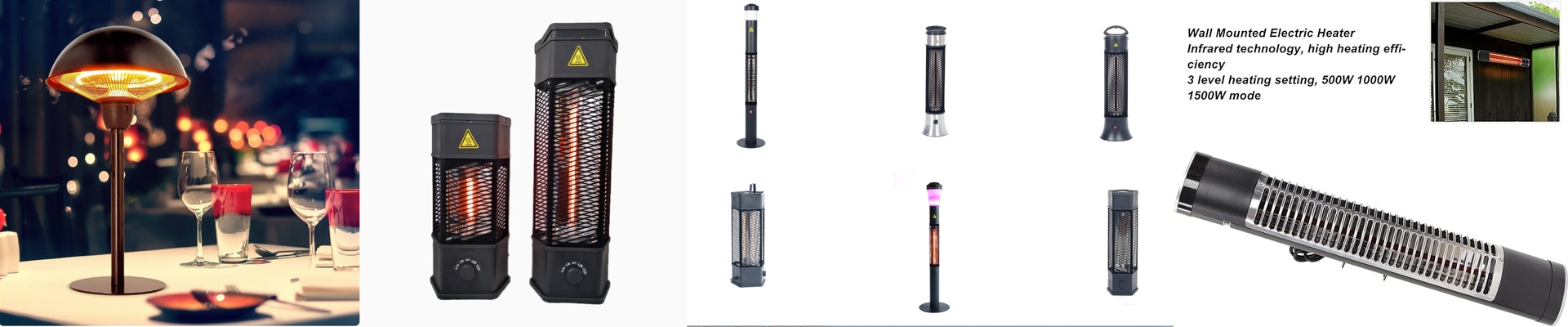
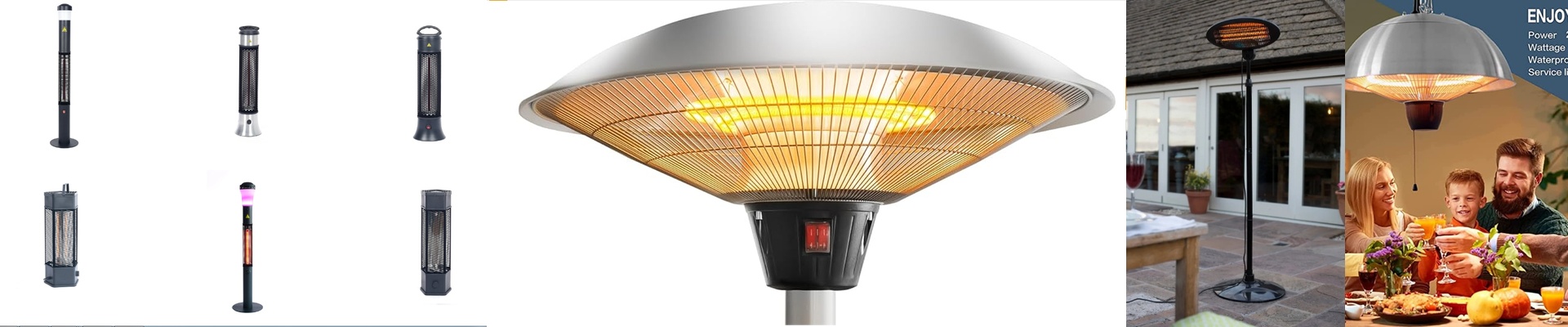
We built our heaters with an IP55 rating, which is just a fancy way of saying they can handle dust and a decent spray of water without shorting out. The problem? Usually, making something water-tight means making it impossible to open. It’s a nightmare for anyone trying to fix it. To get around this, we separated the outer weather-shield from the actual heating core. Instead of tearing the whole housing apart, the heating module just slides right out. You can swap the lamp and slide it back in without ruining the seal that keeps the rain out.
No More Hard-Wiring Nightmares
Inside the core, we use shortwave infrared tubes. They pack a lot of heat, which is great, but they eventually wear out. Instead of soldering every single connection or hard-wiring the guts, we used standardized terminals. It’s basically plug-and-play. When a tube finally dies after a few thousand hours of work, you don’t need a degree in electrical engineering to fix it. You pull the old one, drop in a new one, and you’re done. It takes minutes. Not hours.
A Fair Trade-Off
Now, being honest: making things modular means the internal footprint is a bit bigger. The chassis is a few millimeters wider than it would be if we just glued everything together. But we’re okay with that. Why? Because paying a technician to spend half a day on a ladder is way more expensive than a tiny bit of extra steel.
Real-World Physics
Here is the thing: you can’t cheat physics. Infrared lamps are going to degrade eventually. It’s just what they do. Our goal wasn’t to build some “magic” tube that lasts forever—that’s not realistic. We wanted to build a system where a replacement is a non-event. We design these for high-traffic outdoor spots where the only thing that matters is getting the heat back on fast. No drama, no long downtimes, just a quick swap and you’re back in business.