Stop Letting Your Patio Sit Empty All Winter
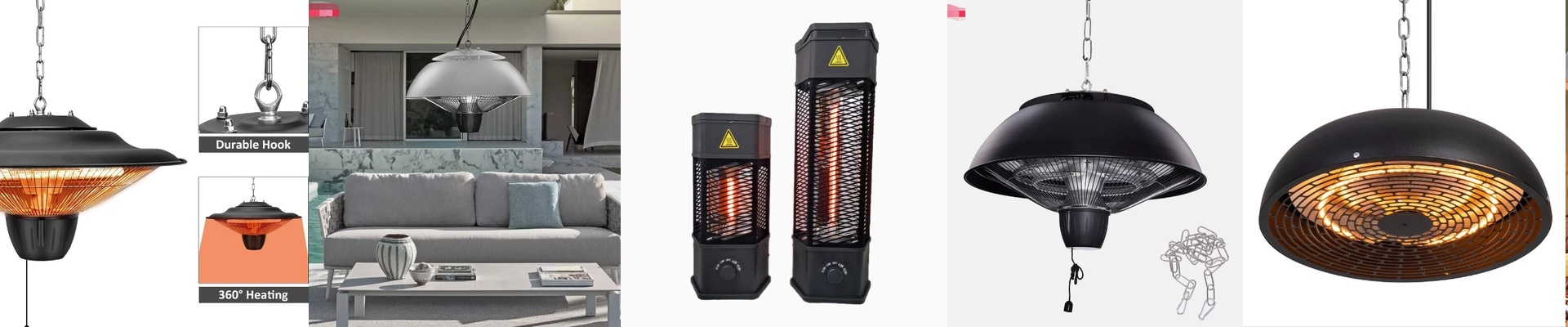
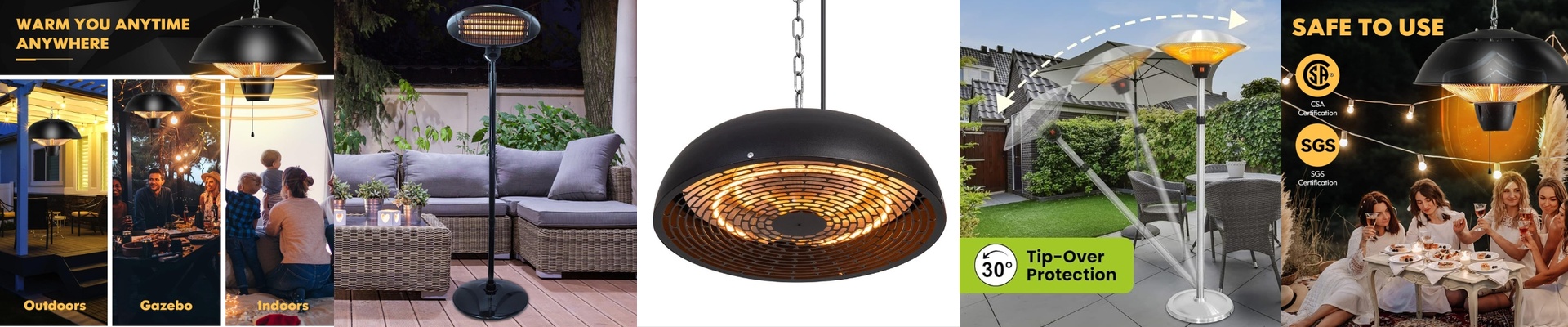
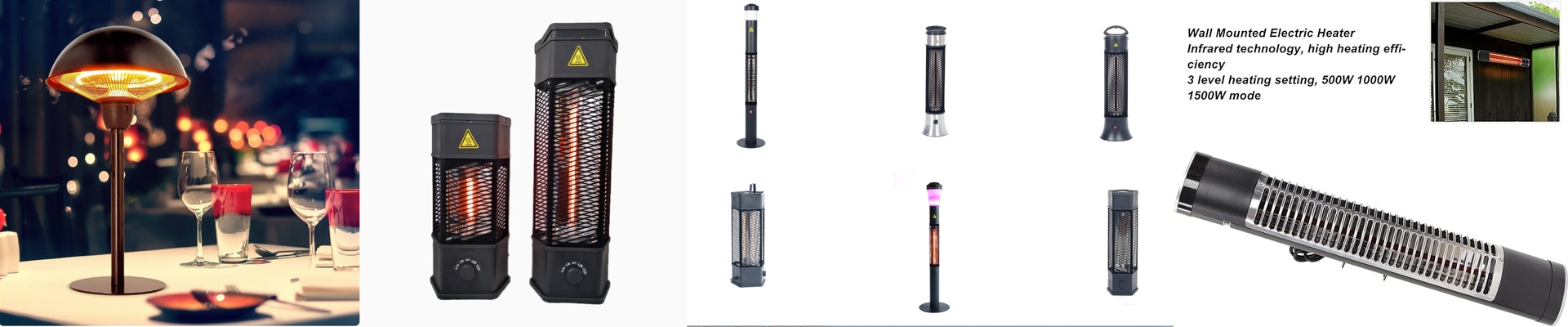
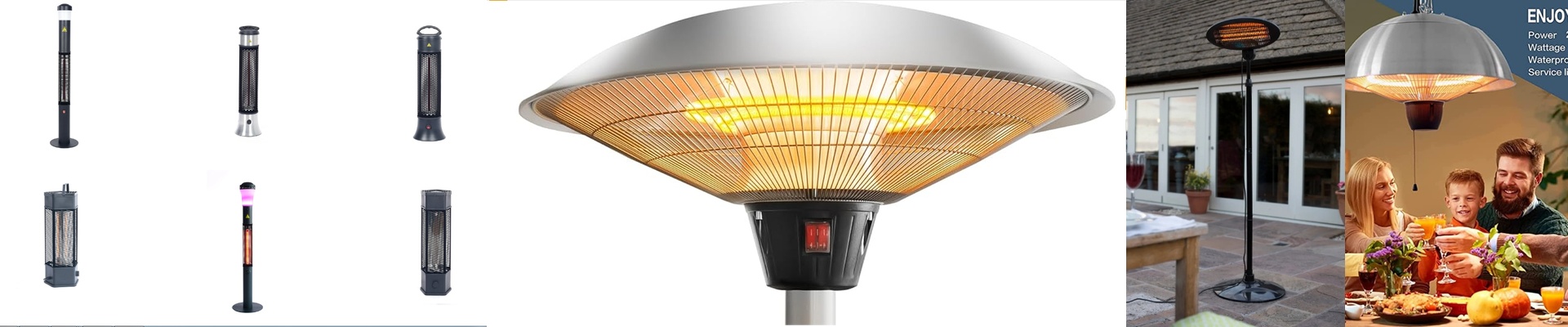
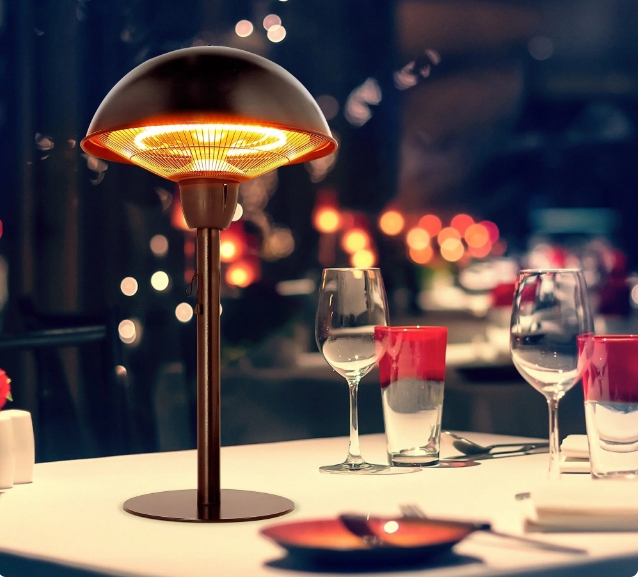
We’ve all seen it. A beautiful outdoor terrace that looks great in July but becomes a ghost town the second November hits. Most people try to fix this with those big space heaters, but here’s the problem: they try to heat the air. In an open-air space, the wind just blows that warmth away. You’re basically paying to heat the sidewalk. That’s why we use short-wave infrared. Instead of fighting the breeze, these heaters send energy straight to your guests and their chairs. It’s the same feeling as stepping into the sun on a crisp morning. You don’t wait for the air to warm up—you just feel it. The trick is getting the “feel” right. If you just throw a heater up there, you might end up with guests who are sweating at the shoulders but freezing at the ankles. Or worse, you fry the heating elements because they’re working too hard in a tight spot. We focus on creating a “thermal zone.” By getting the wattage just right for the square footage, we make sure the warmth hits the guest’s core the moment they sit down. No “cold shock,” no shivering, and no guests begging to move inside after five minutes. And let’s be honest about the money. Cold people leave. It’s that simple. When a customer is shivering, they aren’t thinking about ordering a second bottle of wine or a decadent dessert; they’re thinking about their car heater. When they’re cozy, they linger. They stay for that extra round of drinks. Plus, you get to keep your entire floor plan open all winter long. Instead of shutting down half your restaurant for four months, you keep those tables turning and the revenue flowing. One quick heads-up on the setup. Don’t just plug these into a regular wall outlet. These units pull a lot of power. If you try to run them on a domestic circuit, you’re going to trip your breakers and leave your whole dining room in the dark. You’ll need a dedicated commercial panel to handle the load. Also, make sure your brackets are heavy-duty. These things are sturdy, and you don’t want your heaters sagging over your guests’ heads after a few months of use.