

Why We Obsess Over Dielectric Testing for CNT Heaters
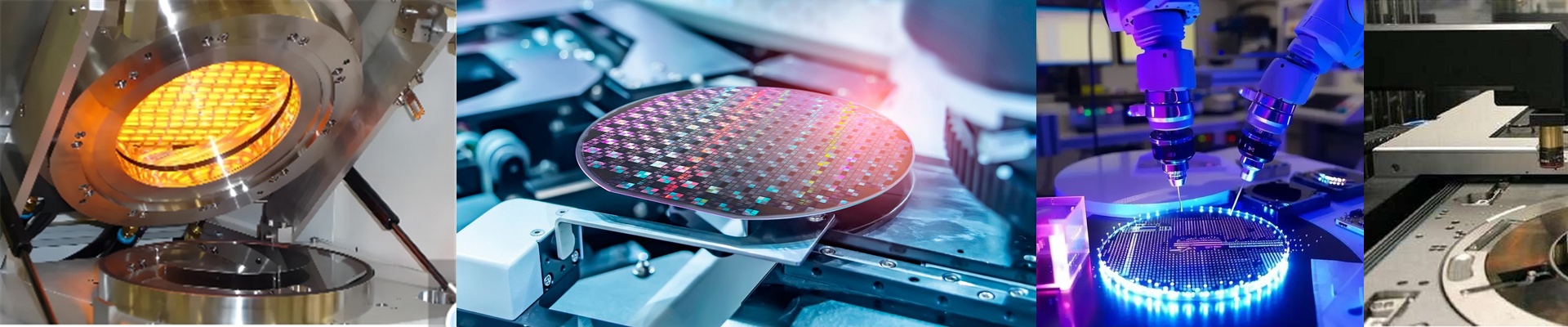
When you’re fabricating carbon nanotubes, you need your thermal gradients to be spot on and your stability to be rock solid. We build these heaters to handle some serious power, but honestly? The heat isn’t even the hardest part. The real headache is the insulation. If you have one tiny dielectric failure in a high-voltage element, you’re not just looking at a broken part. You’re looking at a fried controller or a ruined batch of nanotubes. That’s a lot of wasted time and money.
No Shortcuts. No Sampling.
We test every single tube. Every single one. We run full withstand voltage and insulation resistance checks before anything leaves our shop. Some shops just sample a few pieces from a batch and hope for the best, but we don’t do that. Think about where these heaters actually live. They’re usually crammed right next to sensitive electronics or vacuum systems. If the insulation leaks, you get arcing. And arcing is a nightmare—it creates electrical noise and thermal spikes that just kill the uniformity of your CNT growth.
Pushing the Limits
Our testing protocol is pretty brutal. We hit the insulation with a voltage way higher than what you’ll actually use in your lab. Why? Because we want to find the pinholes in the coating or those tiny fractures in the ceramic supports now, not when the heater is already installed in your system. We measure leakage current in microamps. If a tube doesn’t hit our minimum megohm threshold, it goes in the scrap bin. Period. It sounds like overkill, but it’s necessary. These heaters run hot for a long time. Thermal expansion puts a lot of stress on the insulation. A tube might look fine during a quick check, but after 48 hours of soaking in heat, a thin or uneven dielectric layer will just give up.
The Trade-off
Here’s the thing: you can’t have it all. High insulation resistance is a must, but thicker coatings can add a bit of thermal lag. You’re getting a much safer electrical setup, but your ramp-up time might be a few seconds slower. Just a heads-up—make sure your PID loops are tuned for that specific thermal mass. It’ll keep you from overshooting your target temperature.