
Why we stopped heating the whole room just to make a hydrogen sensor
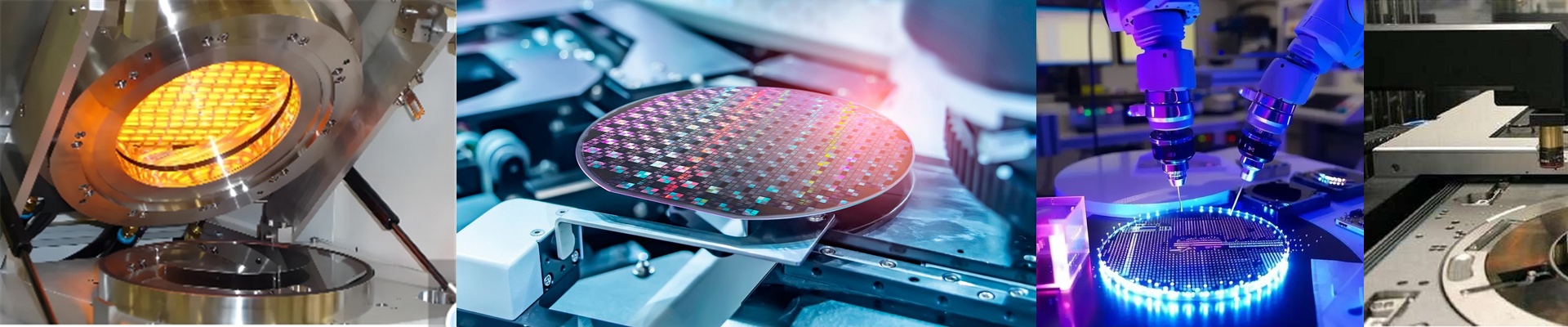
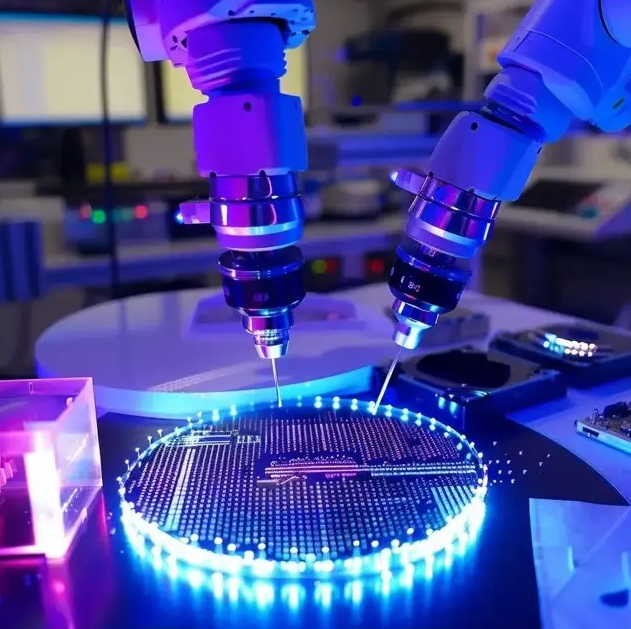
Making hydrogen sensors is all about getting the temperature exactly right. But here’s the problem: if you use a standard heater, you end up heating everything. The air, the chamber, the walls—the whole works. It’s a mess. You’ve got expensive semiconductor gear with inner walls that get scorching hot, which is a nightmare for whoever has to maintain the machine. Plus, you’re just throwing energy away. That’s why we switched to directional IR heating. The secret is in the focus Think of it like a flashlight instead of a lightbulb. Instead of filling the room with heat, directional IR lamps beam the energy straight at the substrate. We use short-wave radiation because it cuts right through to the sensor materials. The best part? The equipment walls stay cool. You aren’t wasting time trying to heat up the air; you’re just moving energy from point A to point B. Getting the engineering right In a semiconductor lab, space is tight. You can’t afford a bulky setup, and you definitely can’t afford to melt your chassis. When we set these lamps up, the beam angle is everything. If the beam is too wide, you’re hitting the internal cladding. If it’s tight, the energy lands exactly where it needs to: on the sensor wafer. We use quartz envelopes to handle the stress. These tubes take a real beating when you’re cycling temperatures quickly. But a word of caution: if you push the wattage too hard, the quartz can start to “devitrify”—basically, it gets cloudy. Keep an eye on that clarity, or your IR output will start to dip. Safety and the “feel” of the shop Getting rid of that waste heat does more than just lower the power bill. It makes the workspace actually feel tolerable. There’s nothing worse than opening a tool for maintenance and realizing the inner walls are still hot enough to give you a nasty burn. When the walls stay cool, the operators are a lot happier. Everything ramps up faster. The air stays cooler. Just a tip: make sure your cooling fans are beefy enough for the wattage you’re running. You don’t want the heat soaking back into your electronics rack.