
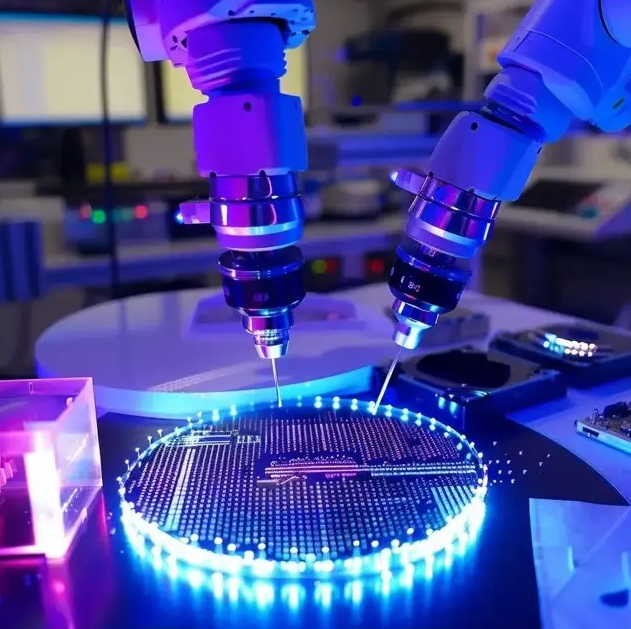
Stop Heating Your Tool and Start Heating Your Wafer
Standard infrared lamps are basically lightbulbs—they throw heat in every single direction. In a wafer tool, that’s a nightmare. When you crank up the heat, a huge chunk of that energy doesn’t even hit the wafer. Instead, it slams right into the inner walls of your machine. You end up with “hot walls” that can warp your internal parts or, worse, give an operator a nasty burn during a routine maintenance check.
Getting the heat where it actually belongs
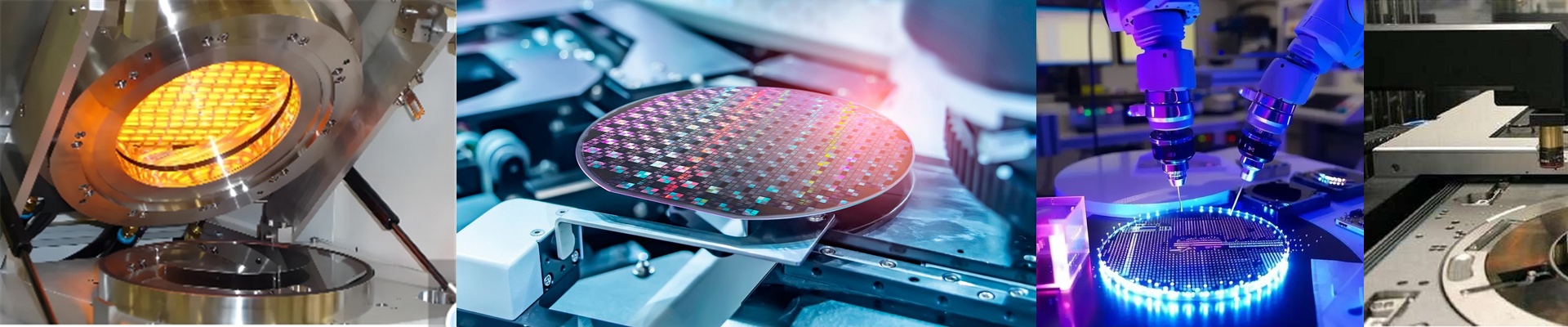
We handle this by using directional infrared tech. Instead of just sticking in a bare quartz tube and hoping for the best, we use specialized reflectors and coatings. Think of it like a flashlight instead of a candle. We’re forcing the IR energy straight down onto the wafer surface and keeping it away from the chamber shell. Because the beam is tighter, you stop wasting power on the chassis. The heat goes exactly where the process needs it. Plus, the outer skin of the tool stays cool enough to touch, which makes the shop floor a lot safer.
The tricky part
Of course, this isn’t a “set it and forget it” situation. It’s all about the balance between optics and power. To get that tight beam, your reflector geometry has to be spot on. If the lamp shifts even a few millimeters? Your heat map drifts. Suddenly, you’ve got hot spots and cold spots across your wafer, and your yield takes a hit. And a heads-up: focusing energy makes things get hot fast. If you put a high-wattage lamp over a small area, you might overshoot your temperature setpoint before you know it. You’ll need to tweak your PID controller to handle that faster response time.
Real-world tips for the shop floor
When you’re wiring these up, do yourself a favor and double-check the reflector alignment first. A mirror that’s slightly off doesn’t just mess up your process—it sends all that heat right back into the tool wall, which is exactly what we’re trying to avoid. Also, keep them clean. A little bit of dust or a thin film on the mirror scatters the beam. Before you know it, your precision tool is acting like a giant, expensive space heater.