
Introduction
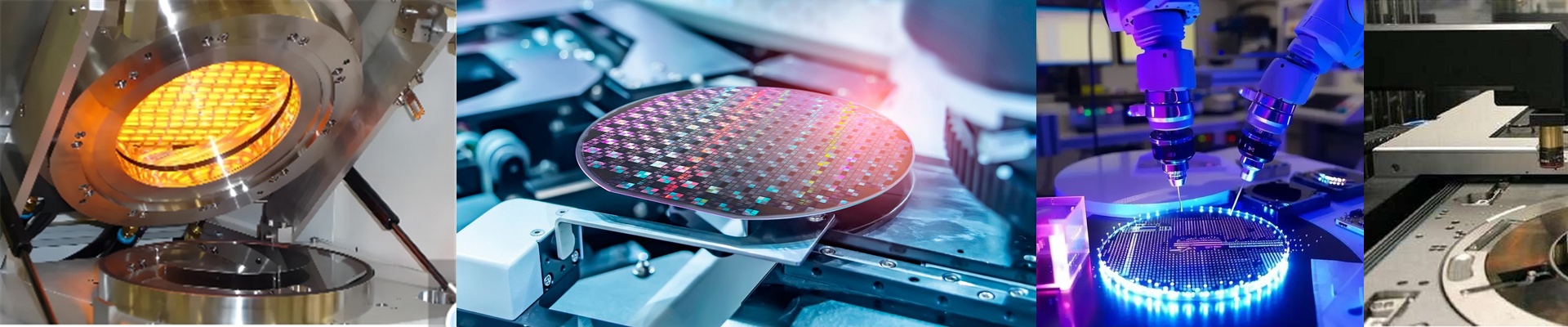
We make halogen heating lamps, but not the kind you’d find in a random workshop. These are built specifically for front-end wafer processing lines. They’re direct-fit spares, engineered for the high-end fabs that need intense, repeatable heat—without taking up a ton of space.
Let’s talk power, voltage, and fit
In wafer processing, these lamps are typically spec’d to deliver 2500W at 400V. That voltage choice matters. It means the power supply runs at lower current for the same wattage, which cuts wiring losses and keeps the control cabinet cooler. The payoff is stable output, even through long duty cycles. But specs on paper don’t mean much if the lamp doesn’t sit right in the tool. The physical size is just as critical. We design the body to drop straight into the standard tooling wells and lamp housings used on 300mm lines. If the tube is too long, it hits the baffles. Too short, and you lose focus on the target zone. So we hold tight tolerances. The lamp slides in as a true replacement, with repeatable positioning every time.
The guts: halogen, quartz, coating, and the R7s connector
Inside, you’ve got a shortwave halogen element, sealed in a quartz envelope. Quartz handles rapid thermal cycling and stays highly transparent, so more energy goes straight into the process instead of getting swallowed by the lamp body. The halogen cycle keeps the filament stable, which helps the output stay consistent over the lamp’s life. Then there’s the reflective coating on the outside. It directs the heat downward, boosting the effective power density right where you need it. And the connector? It’s R7s—a bi-pin, high-temperature ceramic interface. It’s built for high current and serious ambient heat. It wires up quickly and holds alignment, which reduces the risk of hot spots at the connection.
Why this setup shines on the wafer line
This configuration is made for wafer processing steps that need fast, localized heating—especially thermal processes where the tool can’t afford a lot of thermal mass or slow ramp times. The 2500W at 400V gives you a lot of heat density in a small footprint, so you can heat the exact zone you need without heating the whole chamber. We’ve put these lamps head-to-head against international brands in on-site comparison tests, measuring ramp rate, steady-state stability, and uptime. Here’s the trade-off, though: 2500W pushes heat fast, so your cooling path—coolant flow, airflow, and overall thermal management—needs to be properly spec’d. If your system is designed to handle that heat load, you end up with a lamp that can take a beating, install as a drop-in replacement, and run without drift. For the engineers running high-end wafer lines, that means more uptime. Fewer burnouts. Fewer unplanned tool stops. And a thermal profile that stays steady, day after day.