

Keeping Your Wafer Heaters from Blowing Up Your Lab
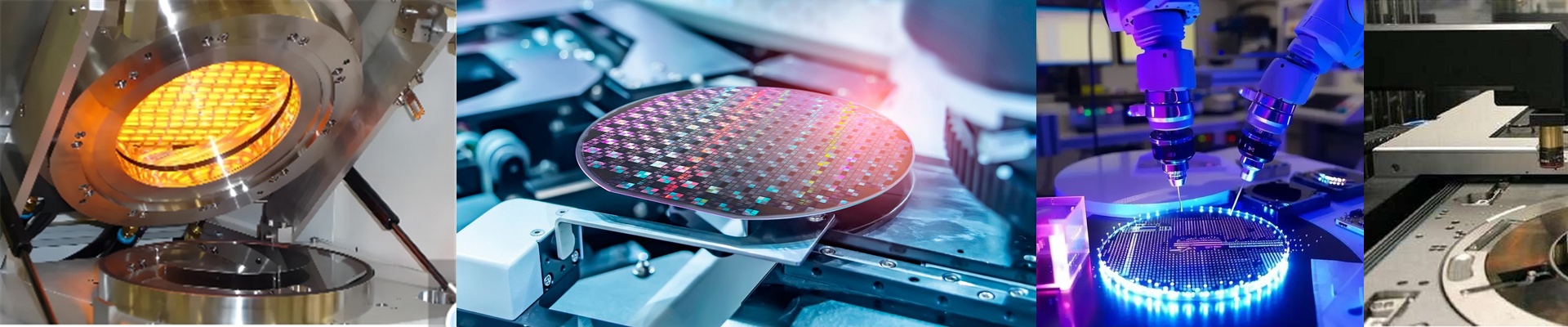
Let’s be honest: heating wafers in a chemical cleaning zone is a nerve-wracking job. When you’re working around flammable or explosive agents, a standard infrared lamp isn’t just a tool—it’s a liability. One tiny spark or a single hot spot on a terminal, and you’re looking at a flash fire. It’s a nightmare scenario that keeps a lot of engineers up at night. We handle this by ditching the open-air lamps entirely. Instead, we wrap everything in a sealed, specialized shell. The secret is in the isolation We don’t just put a quick coating on the lamp and call it a day. We tuck the heating elements inside a high-grade quartz or ceramic envelope, then wrap that whole thing in a housing that can take a beating from harsh chemicals. It creates a physical wall. The volatile organic compounds (VOCs) floating around your shop never even touch the energized parts of the heater. It’s simple, but it’s the only way to actually sleep soundly. Balancing the heat The tricky part is making sure the housing doesn’t cook the lamp itself. We’ve designed the shell to pull heat away from the seals while pushing the infrared energy exactly where it needs to go: the wafer. This keeps your temperature profile steady. If you’re doing chemical etching or drying, you know that “close enough” isn’t good enough. You need it uniform, or you’re throwing away expensive silicon. The honesty bit: there’s a trade-off Here’s the thing. All that protection adds bulk. Because the system has more mass, it has more thermal inertia. You won’t get that “instant-on, instant-off” snap you get with a bare lamp. There’s a bit of a lag. You’ll need to tweak your PID controllers to account for that delay, but it’s a small price to pay for not having a catastrophic failure on your hands. Getting it running We built these to be drop-in replacements. They fit right into your existing setup. We use reinforced cabling and sealed glands so gas can’t sneak in through the wire entry points. If your floor is full of aggressive solvents, this is just the way to do it. It’s the only way to keep your production moving without risking the whole building.