

Stop Waiting on Hot Air: Why Gold-Coated IR is the Way to Go
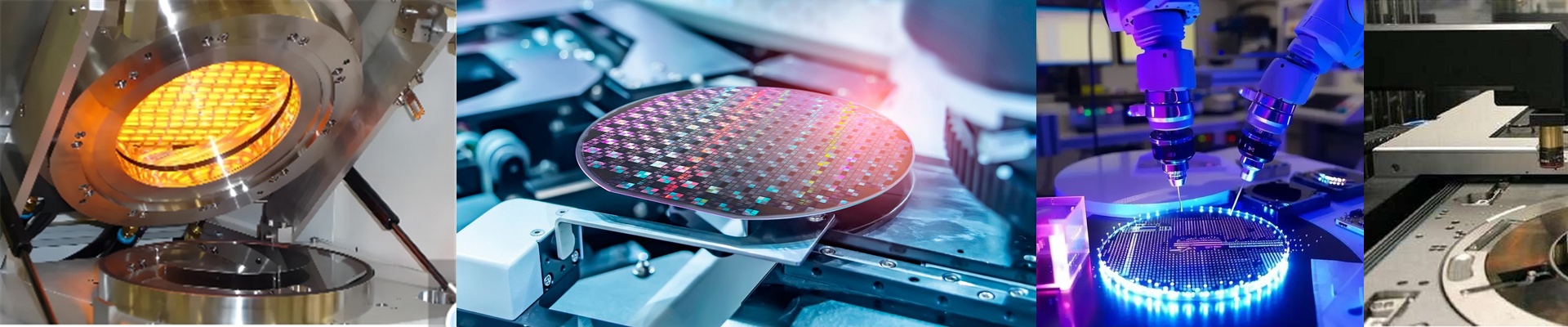
Let’s talk about hot air. It’s the old way of doing things. You heat the air, and then you hope the air heats your part. The problem? It takes forever. In semiconductor processing, that lag isn’t just annoying—it’s costing you money. We’ve found a better way. By switching to twin-tube gold-coated infrared (IR) lamps, we stop relying on the air and start using direct radiation. It’s a massive shift in how you handle heat.
The secret is in the gold
A basic quartz tube is a bit leaky; a lot of that precious heat just wanders off in the wrong direction. That’s why we use a twin-tube design with a gold-coated reflector. Think of it like a mirror for heat. The gold layer pushes almost all the infrared energy straight toward your target. You get a concentrated blast of heat. Instead of waiting minutes for a substrate to hit the right temperature, it happens in seconds.Seconds.
Cutting the cycle time
Hot air systems are sluggish. You have to waste energy heating up the entire oven chamber just to get the job done. IR lamps are different. They’re basically “instant-on.” You can trigger the heat the exact moment the part hits the zone. No more long warm-up periods. No more idling. And here is the best part: you stop over-baking the edges of your components while you’re waiting for the core to catch up. The thermal profile stays tight and consistent.
A quick heads-up on the engineering
Now, this kind of power comes with a catch. These lamps pack a ton of heat into a very small space. If you try to just slide these into an old hot-air chassis without touching your cooling fans or heat sinks, you’re going to fry your control electronics. It’s just too much concentrated energy for a basic setup to handle. You’ll need to make sure your cooling system is actually up to the task. If your production line is lagging because of “soak time,” this is the move. It’s how you claw back those lost hours and actually get your throughput where it needs to be.